Luxury Experts Weigh In On The Most Popular Trends in 2026
As we head into 2026, we can expect that luxury design trends will lean towards warmth, personal expression and a deeper connection to materials.
Jennifer Bien, Principal at DAHLIN Architecture | Planning | Interiors, said it best when she said that luxury residential design in 2026 is moving decisively beyond the era of “quiet luxury,” shifting instead toward spaces defined by intentionality, authenticity, and depth.
“Warmth is central to this evolution, expressed through richer color palettes, layered materials, and nuanced detailing. Custom millwork, artisanal detailing, and finely executed craftsmanship are taking on greater prominence throughout the home. Such craftmanship is more valued than ever nowadays by luxury residential clients, as demand for top-tier craftsmanship continues to outpace the availability of highly skilled trades,” said Bien.
Here are some key highlights that we can look forward to in 2026:
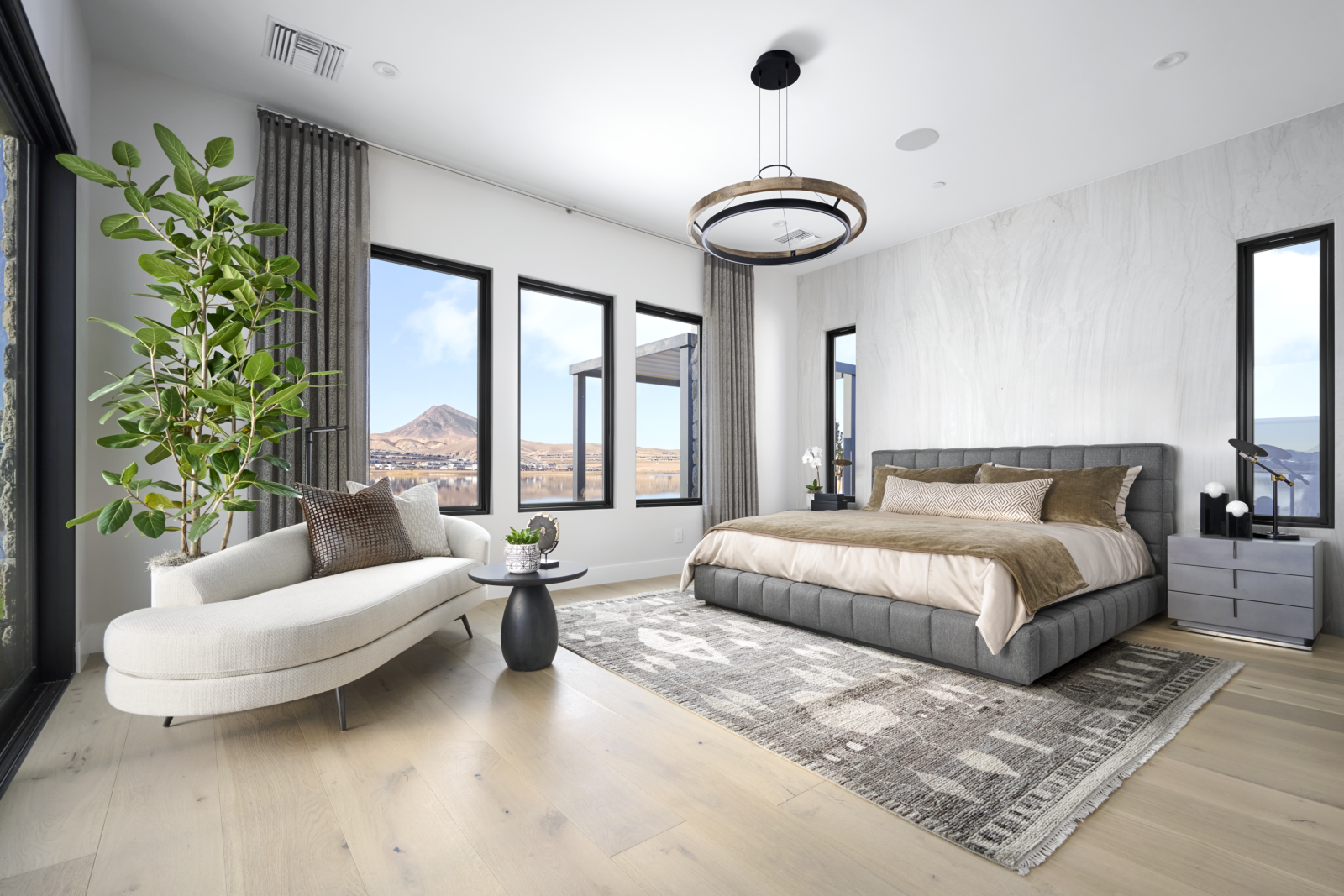
- Warm minimalism: This trend evolves from stark minimalism to a softer, more inviting aesthetic. Expect creamy neutrals and organic silhouettes in finishes, furniture and more.
- Colorful palettes: Color is making a comeback, particularly nuanced blues and earthy tones that add depth without being overwhelming. These colors are perfect for creating sophisticated spaces. Expect to see these mixed with soft whites and neutrals, including the Pantone Color of the Year: Cloud Dancer.
- Tactile materials: There’s a strong focus on textures that invite touch, such as natural woods, stone, and rich fabrics. This trend emphasizes comfort and a sensory experience in living spaces.
- Wellness-centric design: Homes are increasingly designed to support well-being, featuring layouts, products and principles that promote relaxation and health.
- Curved forms: Expect to see more organic shapes in architecture, finishes, and furniture, which add a sense of movement and softness to exteriors and interiors.
Nod to nature
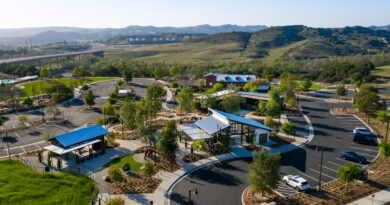
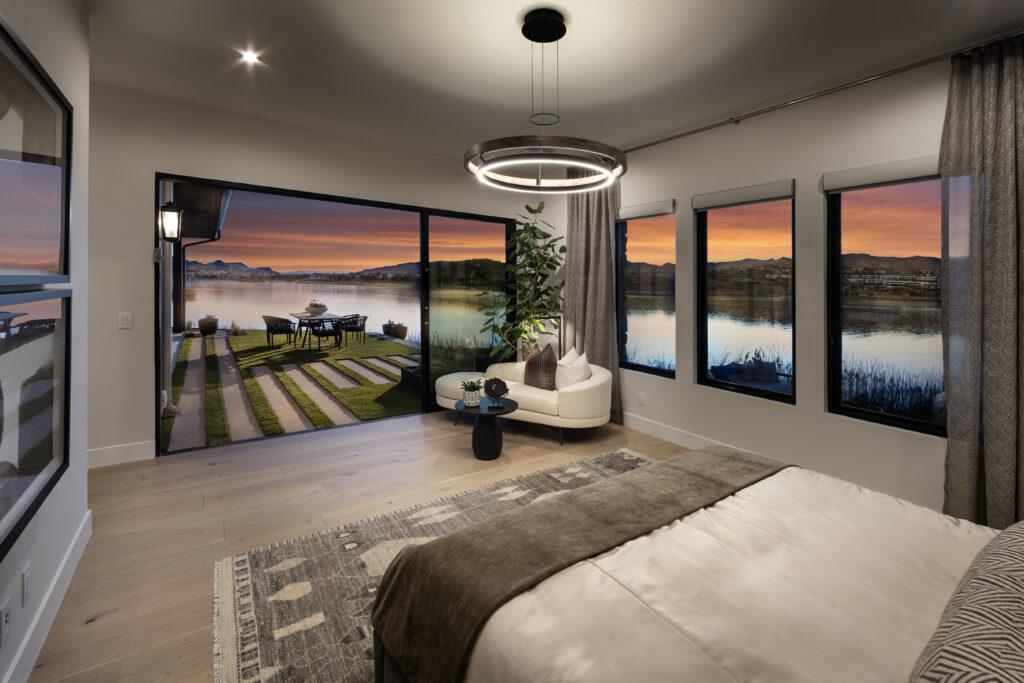
When it comes to new design trends, expect to see more nods to nature. That was the inspiration when Tri Pointe Homes designed La Cova, an exclusive waterfront neighborhood at SouthShore Lake Las Vegas, Nevada. Ranging from approximately 2,800 to over 4,200 square feet, the homes feature six floorplans designed specifically for La Cova by Woodley Architectural Group. Each homesite is positioned to take full advantage of the natural surroundings and offer a distinctive living experience.
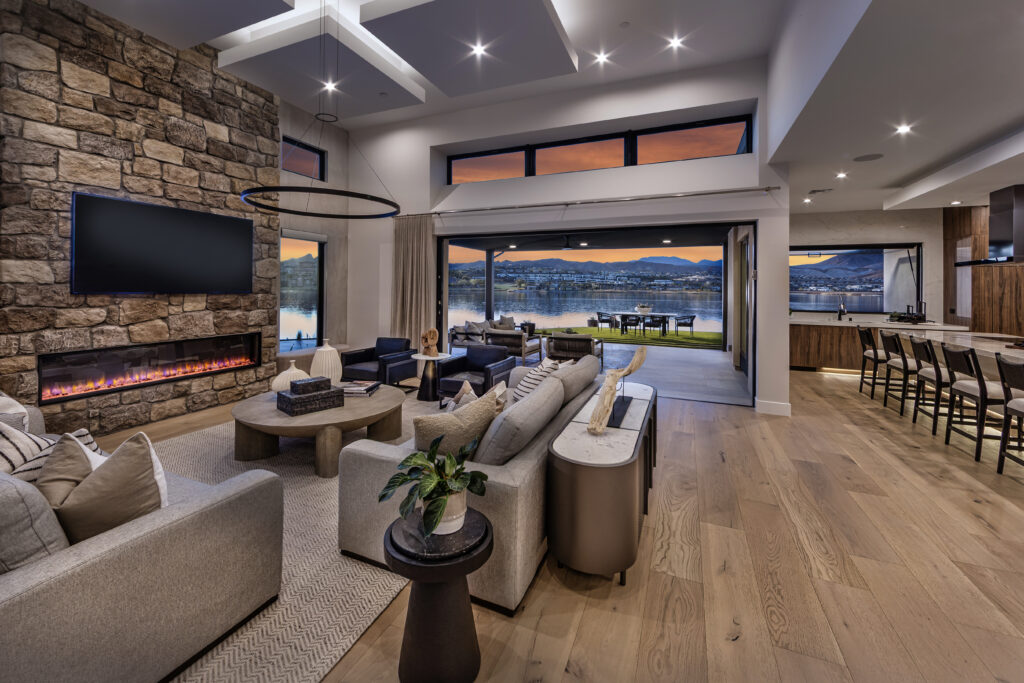
“The design DNA of La Cova reflects the surrounding desert and lake environment,” said Klif Andrews, Division President of Tri Pointe Homes Las Vegas. “We worked with natural palettes, textures, and tones to create homes that feel like they truly belong here. When a home feels rooted in its setting, it helps the people who live there feel a sense of belonging and connectedness in their own lives.” Studies continually show that simply having a blue-space view from home, such as a lake or coastline, was linked to better sleep and improved mental well-being. Andrews believes that wellness is going to be a trend in 2026 and beyond. “La Cova dissolves the boundary between indoor and outdoor spaces,” said Andrews. “Fresh air, blue and green spaces, and open skies have real, measurable benefits for your health. Encouraging a relationship with nature is essential for greater well-being.”
Restraint
Luxury kitchens in 2026 are dialing back high-contrast drama in favor of warmth, scale, and restraint, according to Ed Rogers, Executive Vice President of US Surfaces, the parent company of Vadara. “Designers are prioritizing continuity over spectacle, using expansive layouts, subtle veining and materials that bring a sense of calm to open spaces—kitchens that feel architectural without feeling overworked.”
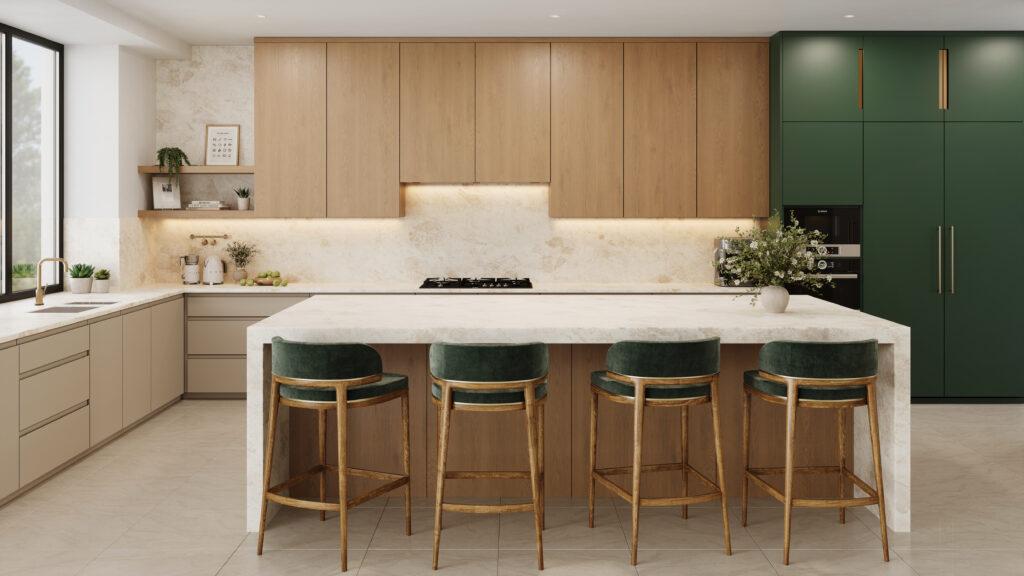
Staying on top of future trends is something Vadara heavily invests in. Executives say that their research and development indicates that there are some shifts in surfacing trends. “Stone-inspired looks remain essential, but cooler whites and bold contrasts are giving way to warmer interpretations influenced by Taj Mahal quartzite and Calacatta marble. These references translate into softer palettes and quieter movement that pair seamlessly with wood cabinetry, layered metals and muted finishes,” said Rogers.
He reminds us that some concepts are not trends at all, but should always be carried into designs, especially when it comes to texture and proportion. “Scale continues to define luxury, with super-sized slabs minimizing seams and tactile finishes like leathered textures adding depth without visual noise. Together, these elements point to a clear direction for 2026: kitchens rooted in warmth, proportion and materials chosen for lasting appeal rather than momentary impact. Designers still want the elegance of classic stone, but in a way that feels calmer and more livable.”
Form and function
When it comes to luxury kitchen and bathroom trends for 2026, they should be designed for use, not show. It’s all about wellness and there are plenty of product trends designers are expecting to see more of.
- Wellness-centric spaces: Bathrooms are evolving into wellness suites with features like heated towel racks, steam showers, and deep soaking tubs, while kitchens are designed for comfort and functionality.
- Sustainable luxury: Sustainability is now a standard expectation, with a focus on durable materials and craftsmanship that age beautifully.
- Smart technology integration: Technology is becoming more discreet, with smart home features that blend seamlessly into the design, enhancing functionality without compromising aesthetics.
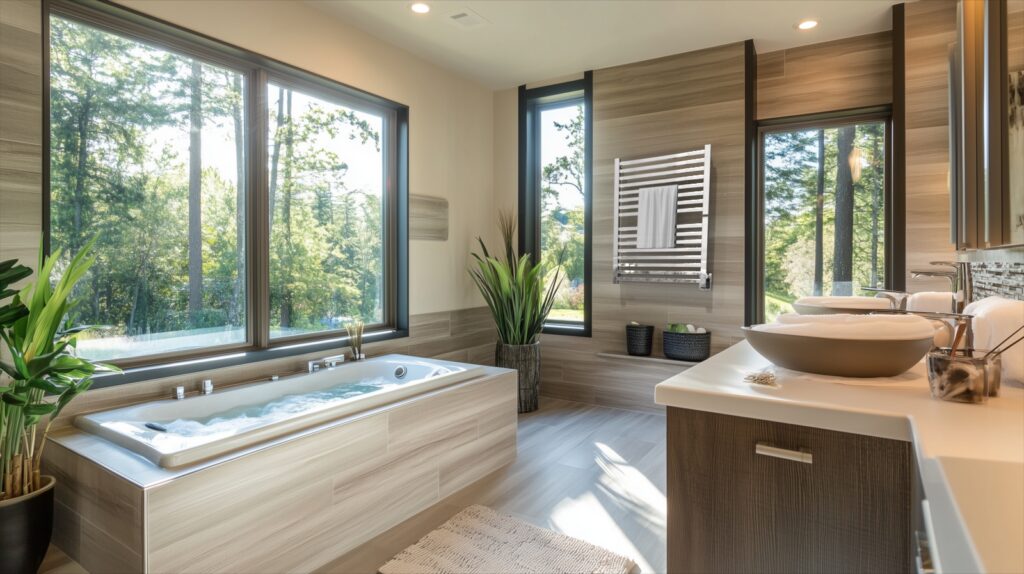
Luxury bathrooms in 2026 are increasingly defined by experience rather than excess. While premium materials and refined finishes remain essential, comfort and performance are playing a larger role in specification decisions. Builders and designers are prioritizing spaces that support daily routines quietly and efficiently.
Heated towel racks are one detail seeing wider adoption in high-end residential projects and this little touch of luxury can be added to laundry rooms, mud rooms, pools, spas and more. Beyond the appeal of a warm towel, they help manage moisture and contribute to a more orderly, spa-like environment—enhancing the bathroom without adding visual clutter.
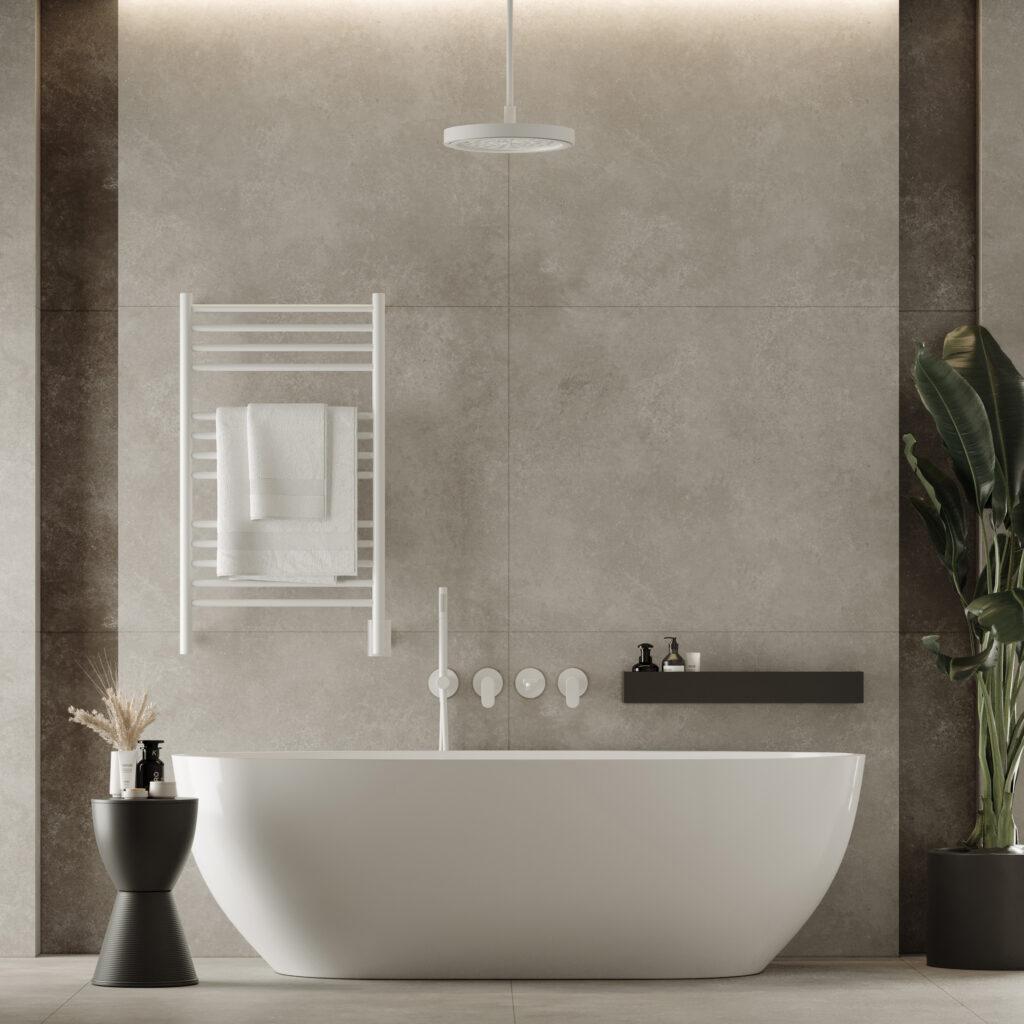
Leading distributor Amba Products points to growing interest in streamlined, flexible designs. Harris Wattles, General Manager at Amba explains, “The minimalist profile, coupled with innovative technology, allows designers to implement towel warmers in multiple locations and configurations throughout the bathroom.”
Luxury is no longer defined by finishes alone, but by how a space feels to use. The next era of luxury is quieter, more intuitive, and rooted in comfort, said Wattles.
Other designers agree with this trend for 2026. “Health and physical, mental, and emotional wellbeing are also shaping design decisions. Daylight is being thoughtfully integrated into as many rooms as possible, while biophilic design is being incorporated into spaces wherever possible through natural materials, organic forms, and visual connections to nature,” said Bien.
Materials
Luxury design is embracing a variety of materials that emphasize warmth, sustainability, and tactile experiences. They represent the broader trends towards creating spaces that feel personal and connected to nature.
Here are some of the trending materials:
- Natural woods: Rich, warm woods like walnut, oak, and cherry are making a strong comeback. These materials not only add depth and character but also create a cozy atmosphere.
- Textiles: Expect to see a rise in the use of natural fibers such as linen, wool, and silk. These materials are favored for their comfort, durability, and ability to enhance indoor air quality.
- Mineral and plant-based paints: These paints are becoming popular due to their aesthetic appeal and health benefits, allowing walls to breathe and contributing to a calmer indoor environment.
- Aged metals: Materials like unlacquered brass and aged bronze are favored for their ability to develop a beautiful patina over time, adding character and authenticity to spaces.
- Reclaimed and vintage pieces: Antique furniture and reclaimed materials are being used more prominently, reflecting a desire for sustainability and unique character in home design.
- Organic fabrics: Textiles with natural patterns and textures, such as block prints and hand-loomed fabrics, are gaining traction, bringing a sense of history and craftsmanship to interiors.
- Sculptural and curved forms: Materials that allow for organic shapes and flowing lines are becoming popular, emphasizing comfort and a connection to nature.
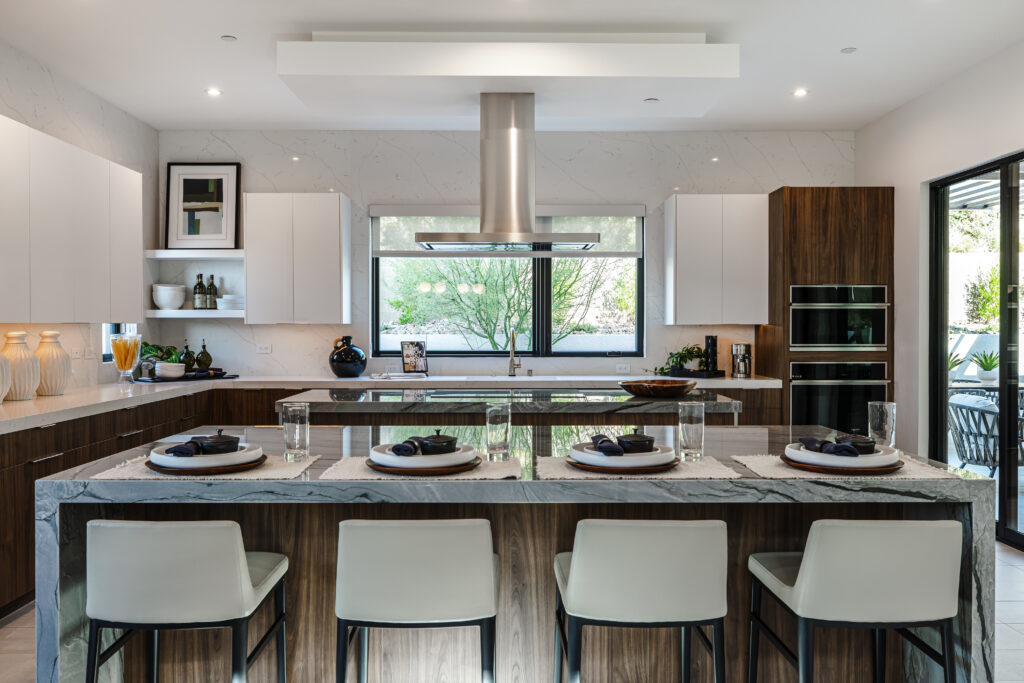
Paint, tile and wall treatments are ways to add texture and character to a space, according to Yolanda Landrum, Founder of Yolanda Landrum Interior Design, Inc., and interior designer for Tri Pointe Homes’ Carlisle Peak and Carlisle Ridge neighborhoods in Las Vegas, Nevada. “Some of the areas we focused on at the Carlisle neighborhoods are fun and bold paint treatments that add character in various common spaces. Three-dimensional wall treatments create a lot of drama as well as strong tile as accent walls.”
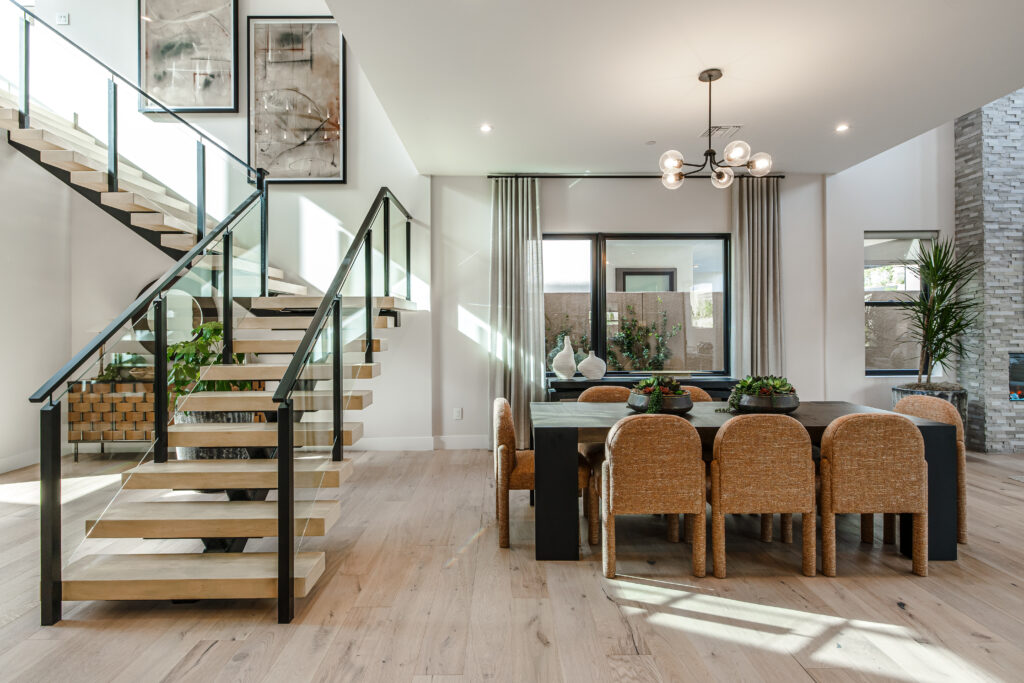
Clean and contemporary lines, minimal ornamentation, and open spaces are popular trends for 2026 according to experts. “Many clients are still interested in that farmhouse style so we can expect to see balanced proportions with careful use of materials like painted brick, metal roof accents, stone, and wood. These elements bring warmth and texture and create juxtaposition between modern and timeless design, while still providing that relaxing feeling of always being on vacation. High-end finishes, including quartz countertops, custom cabinetry, and wide-plank hardwood floors, add character and durability,” said Paul Samartino, Associate AIA, CAAASH, Owner of Martini Samartino Design Group.
Color of the year
What about color, or lack thereof when it comes to luxury trends? When we asked about trends for 2026, Pantone’s new Color of the Year—Cloud Dancer—was a controversial topic at times. It’s basically white and designers were definitely divided on Pantone’s choice for 2026.
“I’m a bit conflicted about it. On one hand, I understand the appeal of choosing a quiet, relaxing shade in a moment when people are craving calm. On the other hand, a soft white as the “Color of the Year” feels unexpectedly restrained—almost too subtle for a title that usually celebrates cultural energy and creative expression,” said Kristen Flores, Owner, Kristen Marie Interiors
She added that Cloud Dancer is perfect for baseboards, crown molding, and cabinetry, especially when you want those lines to feel crisp yet approachable rather than stark. In art forward rooms, soft white walls create beautiful negative space, letting artwork and textiles become the focal point.
Nature’s best comes into play yet again. “It can also act as a unifying backdrop for mixed materials like natural wood, stone, and metals. There are a multitude of other ways to include white into kitchens and baths by using products offered in this color, especially since it’s often associated with cleanliness and minimalism. Products such as towel racks, faucets, hardware, light fixtures, counters, cabinets, mirrors, and fabrics,” added Flores.
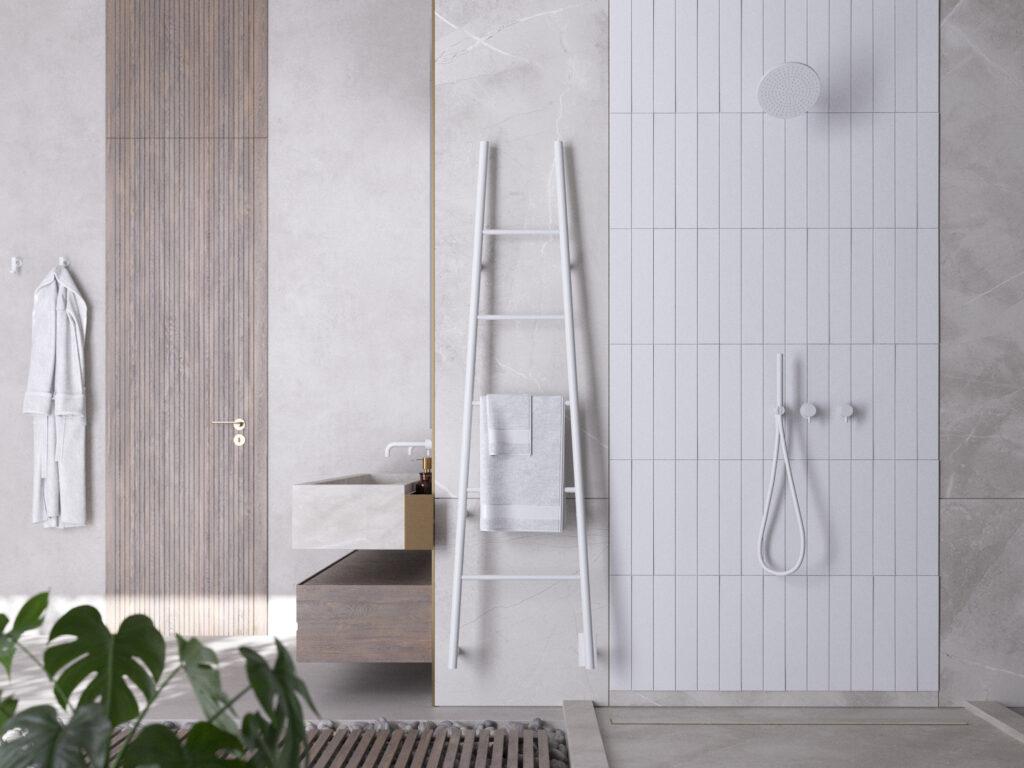
Amba executives pointed out that many of the brand’s towel racks are already available in a wide range of finishes, including white—making Pantone’s Color of the Year a natural fit. For projects requiring a precise match, Amba’s RAL custom color program allows designers to specify virtually any hue.
Carol Fox is both an architect and interior designer with Stratos Form and she is also happy about the Pantone color of the year. As she points out, unlike previous colors of the year, Cloud Dancer can be applied to virtually any surface in a home.
“The contrast is where the action is. I am looking forward to exploiting the shaded warmth in Cloud Dancer and bringing in warmer contrasts, such as bronzey browns, deep plums, and natural lighter wood tones. Think Neolith ultracompact slab in ‘Iron Copper’, Sherwin Williams paint in ‘Plum Brown’ and White Ash wood panels. It can also work well in a monochromatic scheme. Using Cloud Dancer in a wall paint as well as highly textured or softly patterned finishes can create a calmer contrast. Examples are Dekton ‘Agra’ countertops, or Porcelanosa ‘Mosaico Nantes’ ceramic tile. The possibilities are endless.”
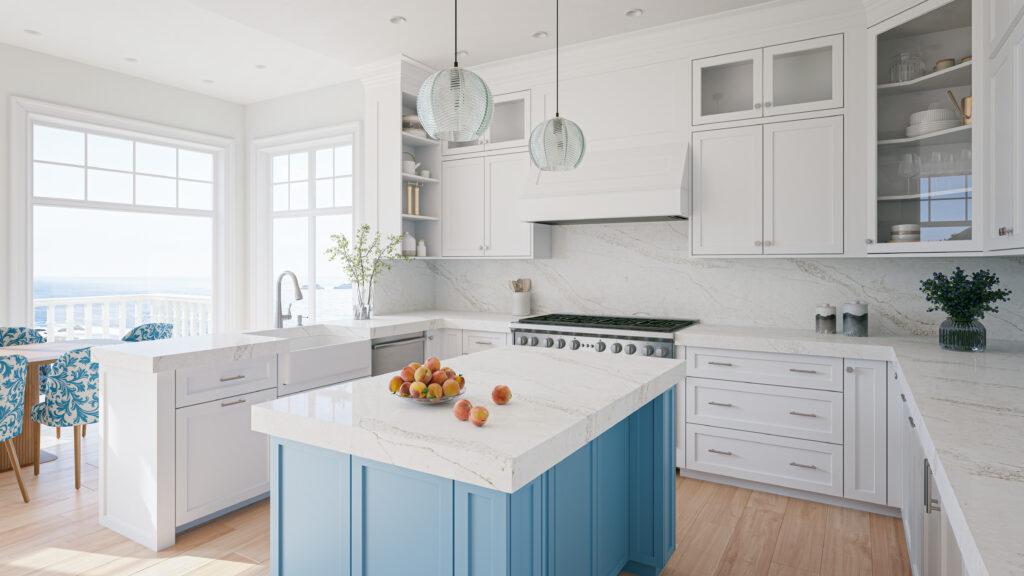
What can we expect to see Cloud Dancer mixing with? Vadara, a leading manufacturer of artisan-crafted quartz, just announced the launch of five new quartz designs including colors that reflect the brand’s deep understanding of kitchen and bath design trends and its unmatched production agility. The color designs include Braewind, Canyon Choir, Medina, Pueblo and Sinterra.
“These new designs represent more than just colors — they represent the direction our industry is headed,” said Rogers. “Designers and homeowners alike are moving away from cool tones in favor of warmer, more welcoming palettes.”
Bien says that honed, brushed, and leathered stones; soft textiles; and warm color-temperature lighting contribute to interiors that feel inviting and grounded rather than overly polished or sterile.
By Christine Rombouts. She is the senior contributing editor at Builder and Developer.