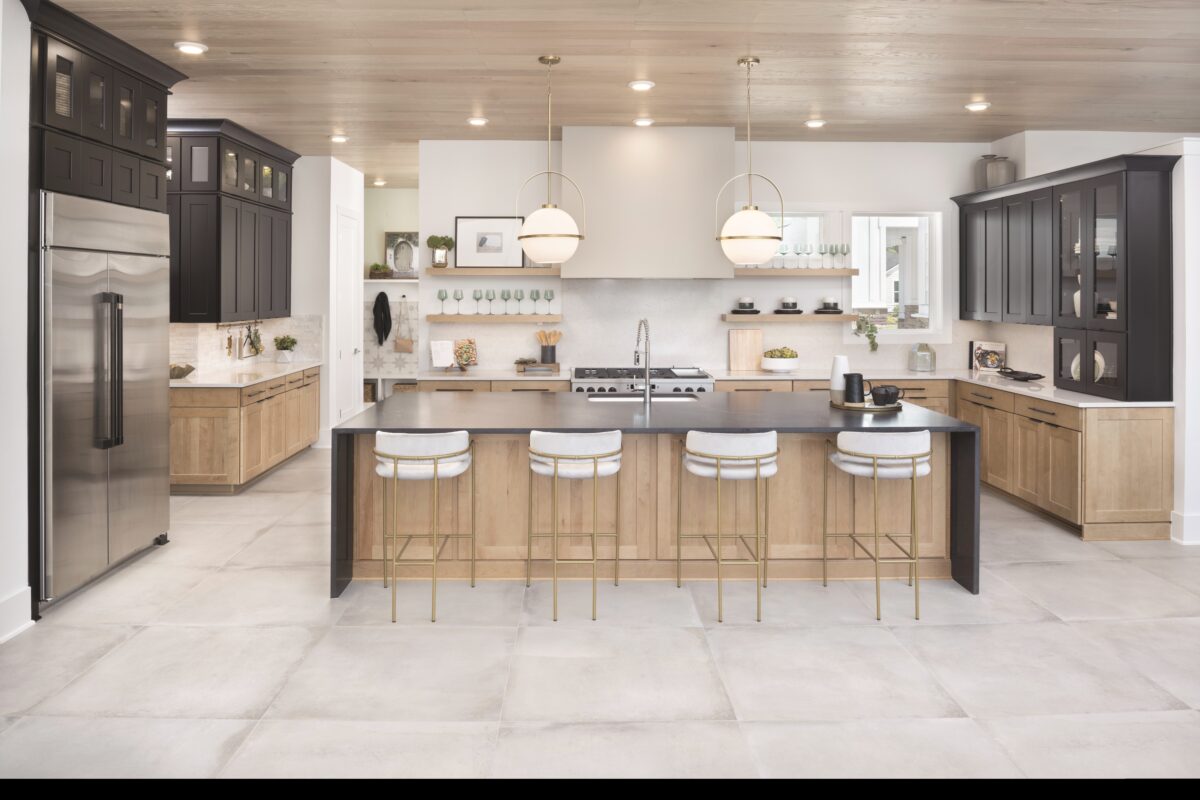
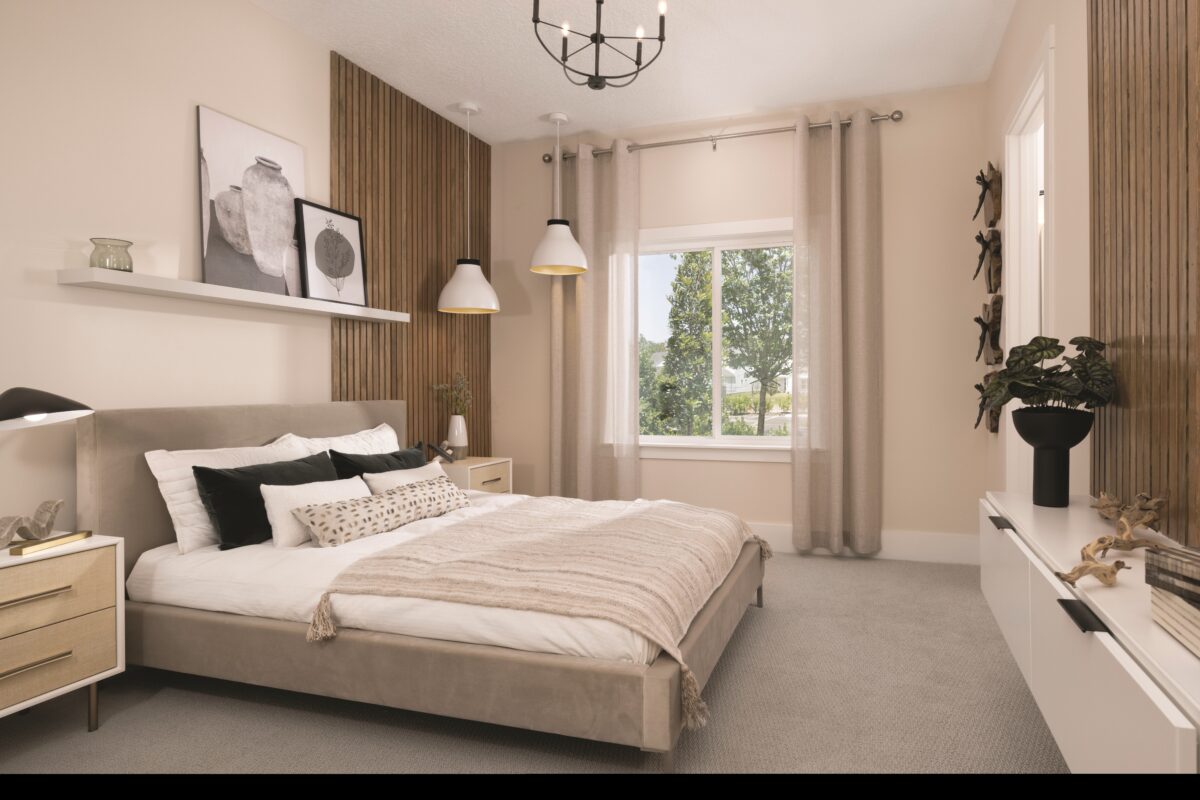
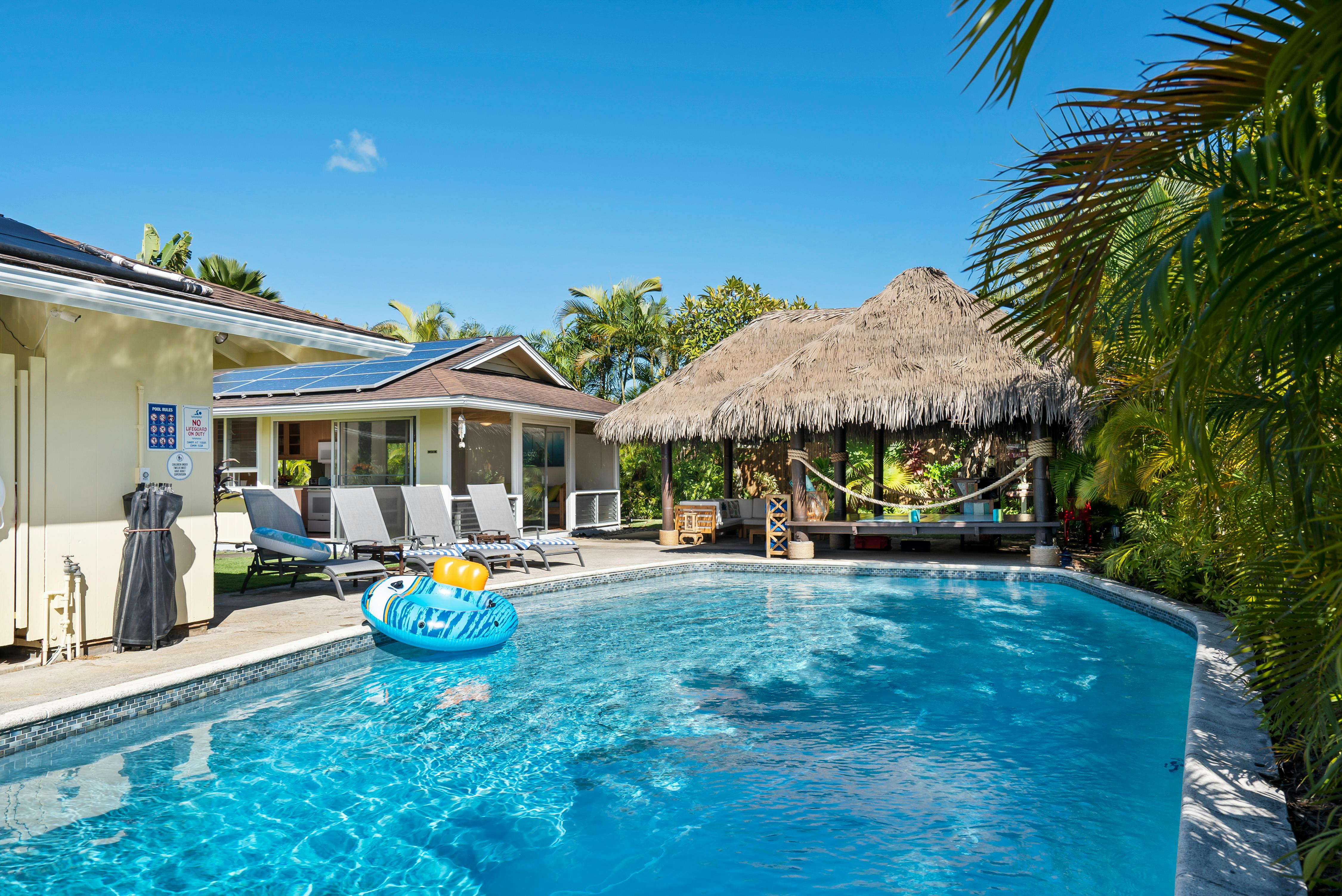
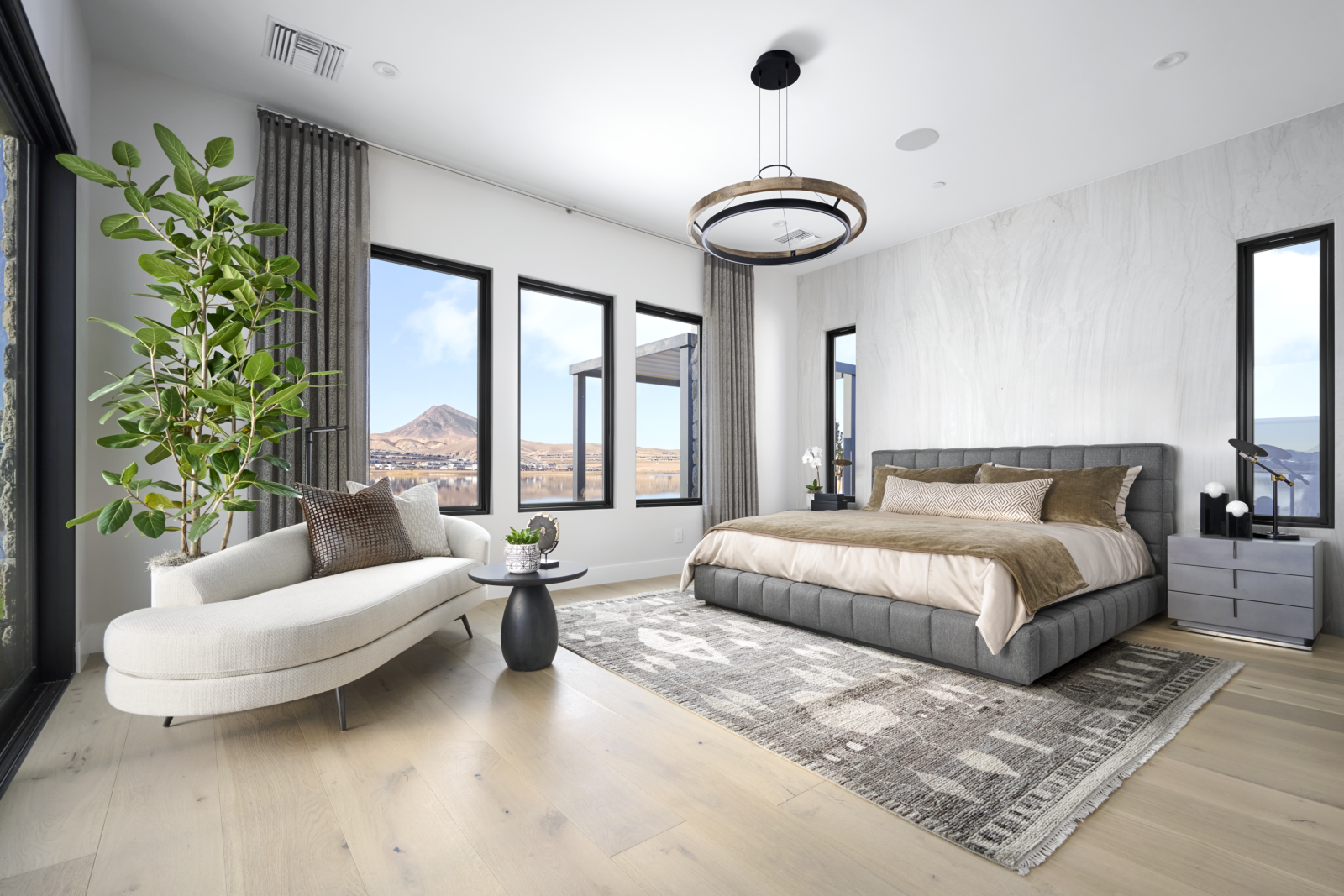
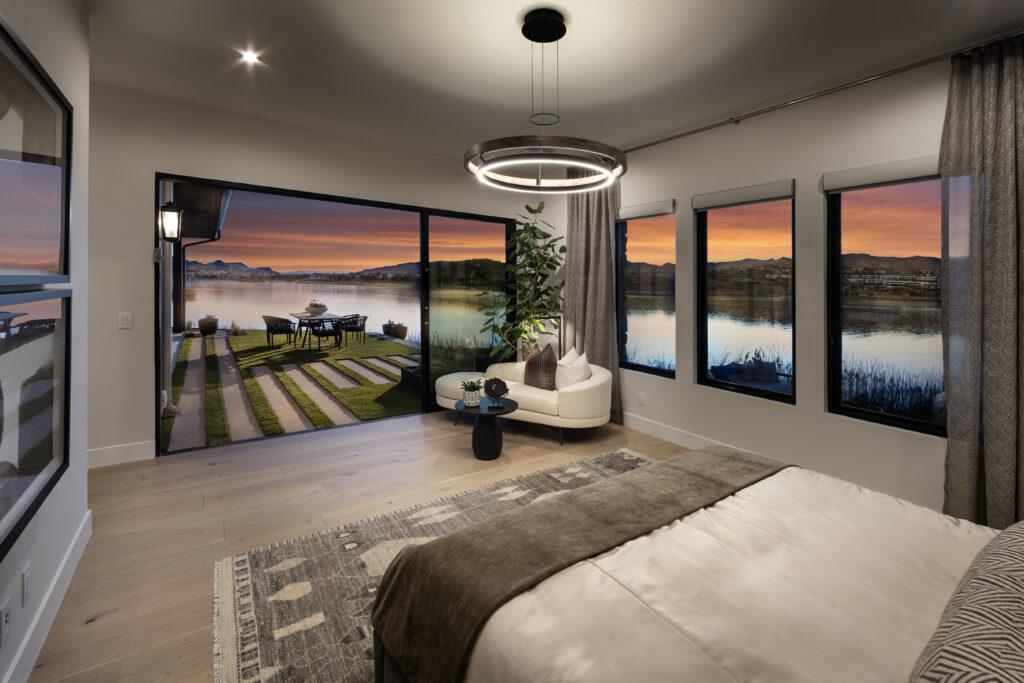
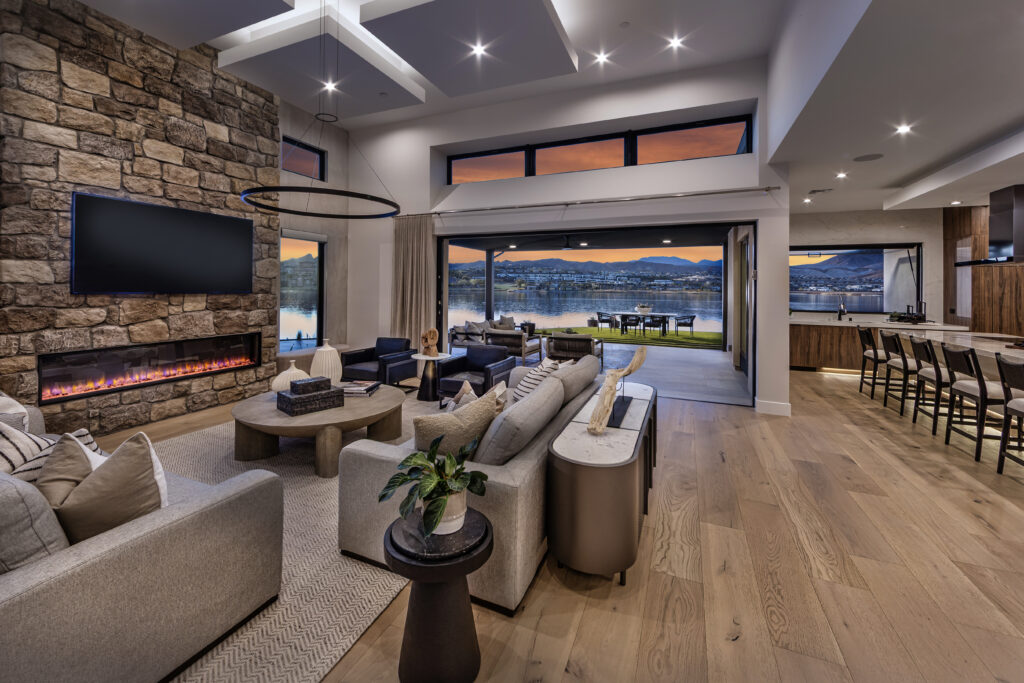
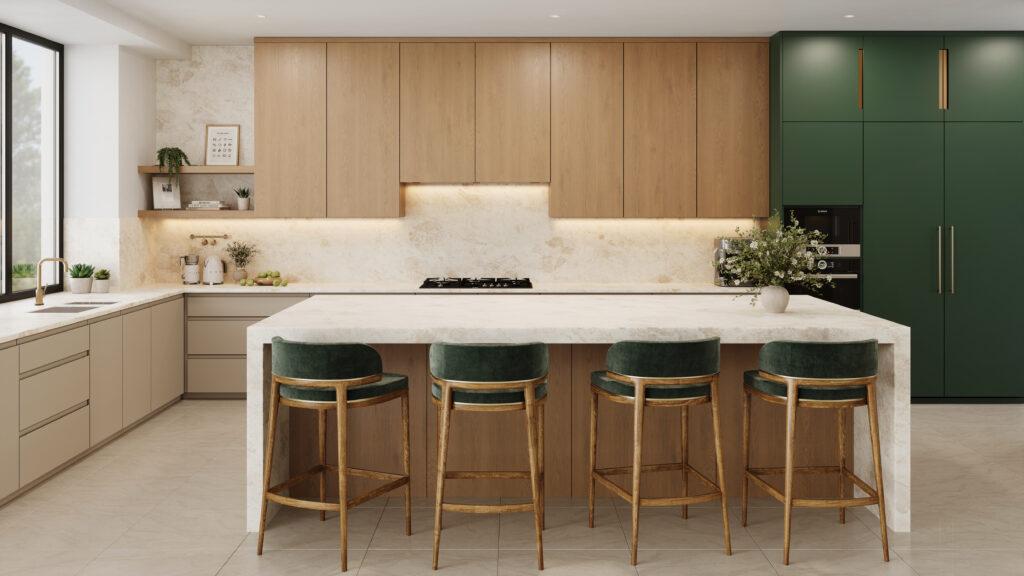
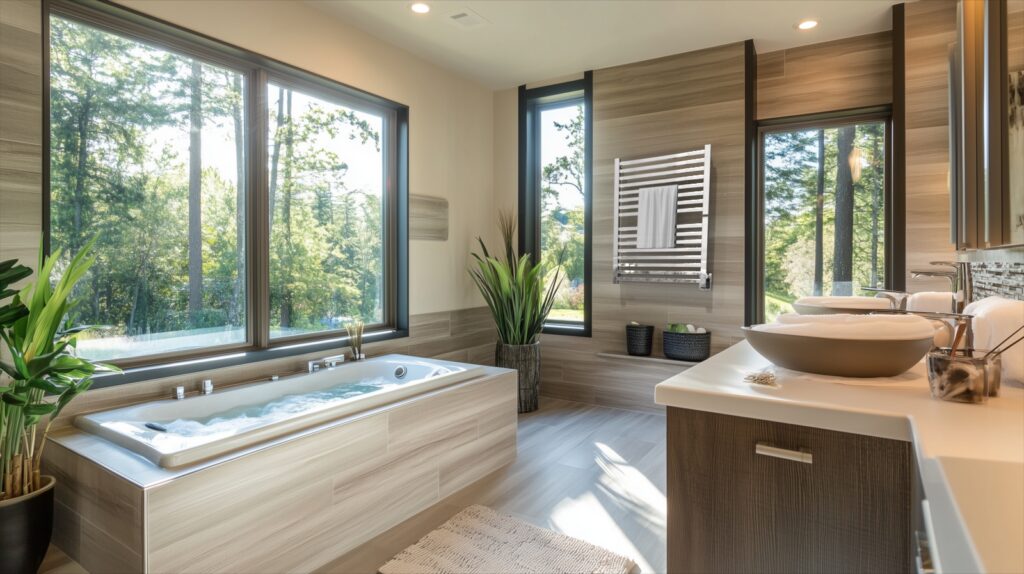
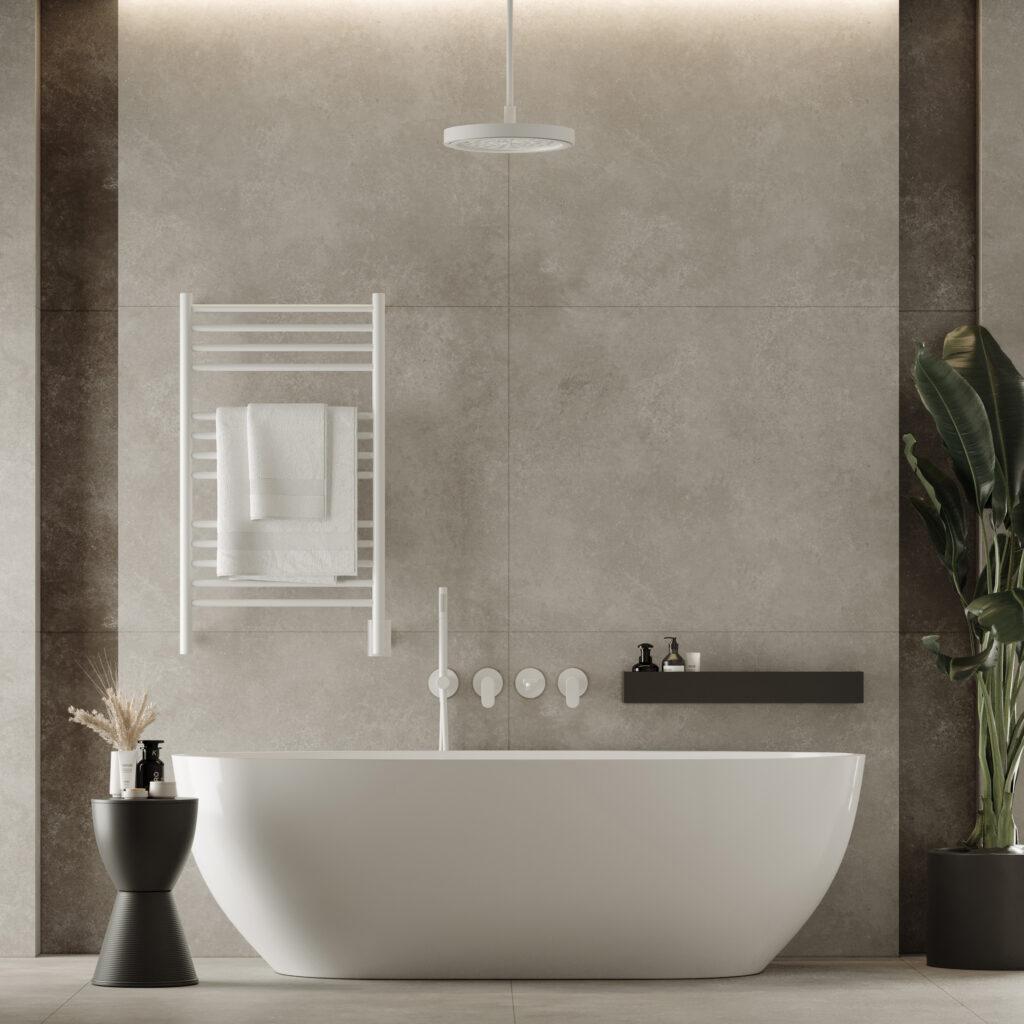
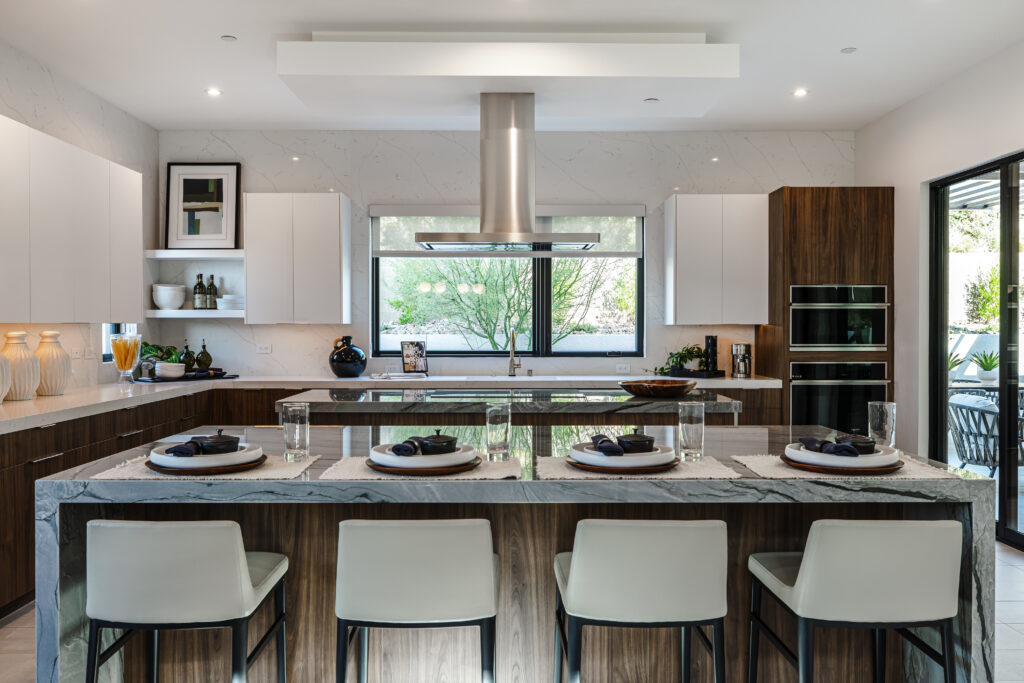
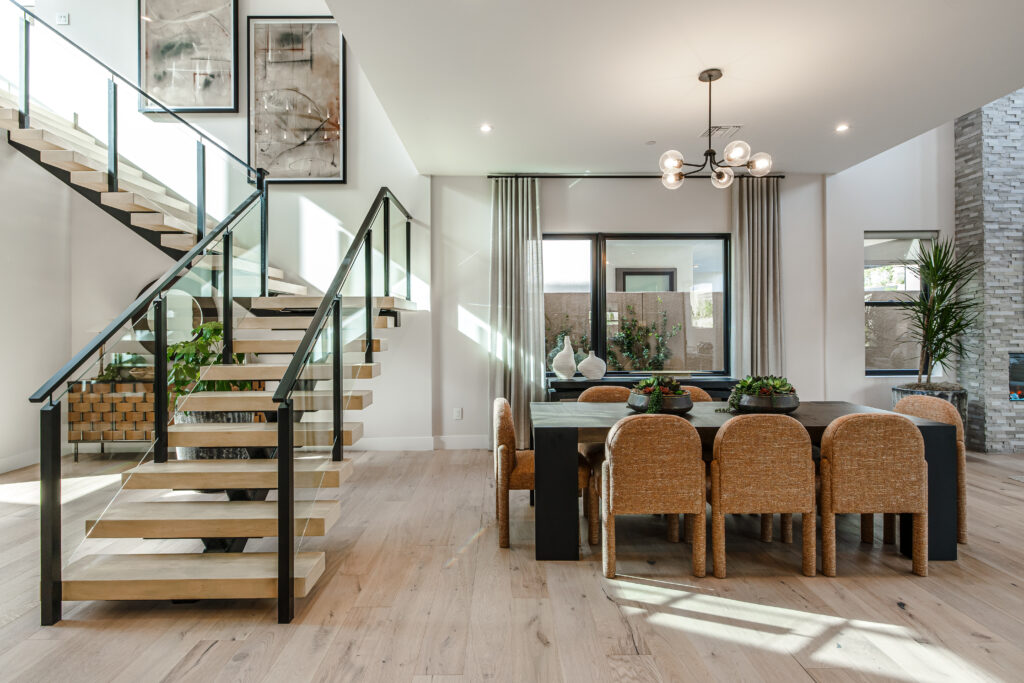
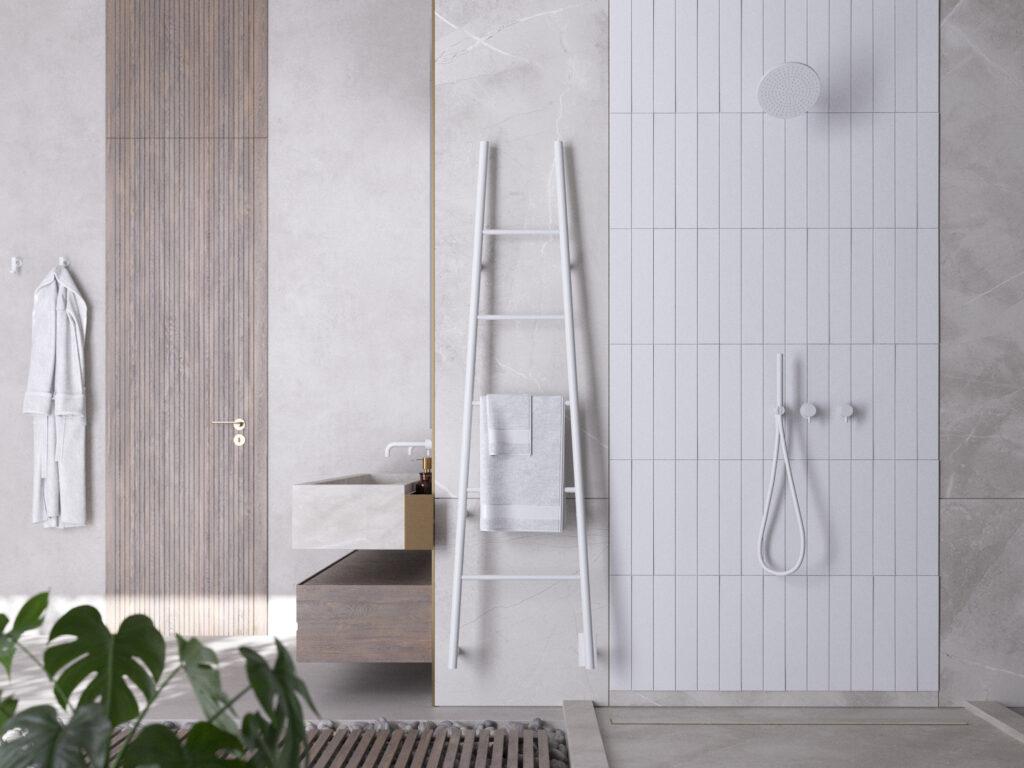
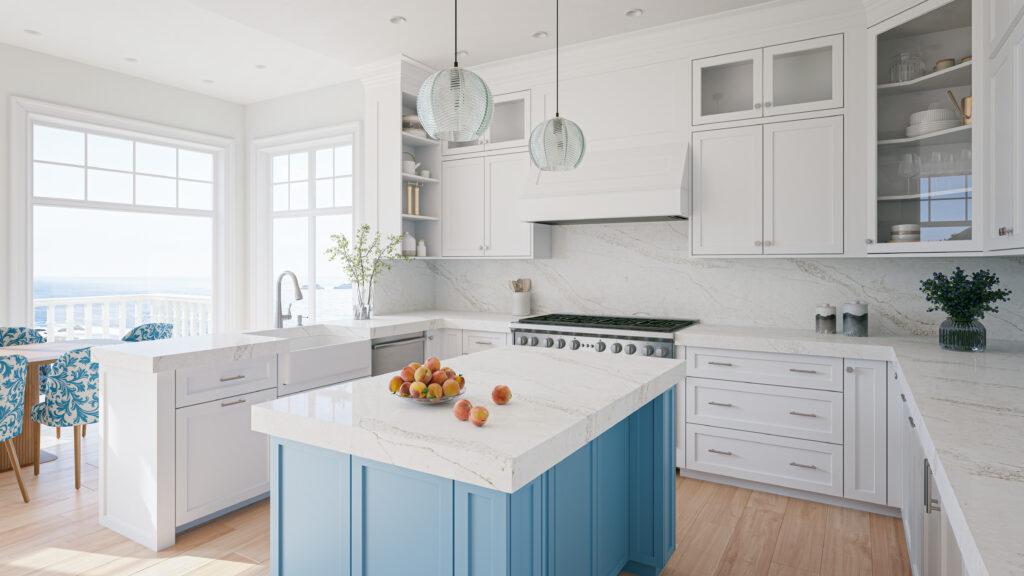
In Southern California homes, kitchen designs are moving away from cold, showroom-style spaces toward warmer, more livable rooms. While indoor-outdoor…
From a cozy front porch to an expansive backyard, outdoor spaces have become just as important as a home’s interior. Homeowners are looking for complete outdoor environments that support relaxing, entertaining, dining and wellness without sacrificing style.
One of the strongest outdoor trends we’ve seen this year is the continuation of the outdoor living room. Homeowners are asking for the same comfort and visual cohesion they expect indoors: generous seating, layered cushions, tables within reach, shade and a central focal point.
Outdoor cooking remains on the rise, but the best designs are grounded in how the homeowner actually entertains. A well-positioned grill, useful preparation surfaces and convenient serving space can be more valuable than an oversized outdoor kitchen that dominates the backyard.
This year has been the year of comebacks; previously outdated trends are making their way back into the limelight. Interior designers weighed in on the former trends they have seen coming back in style in today’s homes.
“After years of safe neutrals and minimalism, there’s a renewed desire for personality in interiors, spaces that people can feel emotionally connected to,” said Phoebe Beachner, an interior designer at Hart Howerton.
While open floor plans have dominated this year, there has been a gradual increase in requests for closed floor plans. This shift might be remerging due to nostalgia, a desire to restore an older home to its roots or a need to confine certain activities and items to certain areas.
Maximalism, brown tones that were highly popular in the 1980s and built-in seating are also back in style.
Understanding the role interior designers play behind the scenes
For me, luxury and functionality are inseparable. It does not make sense to design something beautiful if it does not support the way a person actually lives.
Before I ever think about the aesthetics, I think about the problem: What needs to be solved?How does the client move through the space? What will make their life more comfortable, efficient and meaningful?
True luxury is not decoration; it is when a home works so beautifully that the clientfeels completely supported by it. Function comes first, then we design beautifully around it.
The best spaces are not simply visual. They function effortlessly, solve problems quietly and elevate everyday living.
I have always believed that nothing is impossible. Indesign, the real question is not whether something can be done; it is how creatively andintelligently we are willing to think in order to make it happen. That is why I see my role as muchmore than a designer. I have to think like an architect, a builder, a problem solver, a strategist and an advocate for the client.
A home should feel like the client’s own private destination: a place that restoresthem, welcomes their guests and reflects the life they want to live. Many luxury clients havemultiple homes and spend significant time traveling, often searching for that sense ofescape they experience in extraordinary destinations.
People plan for years to experience exceptional places. I believe they should be able to live inside that feeling every day.
The most memorable spaces combine comfort, beauty, service, emotion andfunctionality into something greater than the sum of their parts. That philosophy continues to shape every residence I design.
At the core of my design philosophy is respect: respect for the architecture, the land, the composition, the client and the way a space must live over time.
Great design is not simply about what looks beautiful today. It is about how something is built,how it performs and how it makes people feel years from now. A truly greatbuilding should be beautiful even before anything is placed inside it. The interior should not compete with the architecture; it should enhance it and complete it.
Design must also be deeply human. You have to study the people who will live, work and gather within a space.
Sometimes the most important design decision is not the most glamorous one. It may berecognizing that a client needs better light to read comfortably at night and then finding anelegant way to integrate that solution into the overall design. That is where problem solving becomes beauty.
No two projects should ever be the same. Every home and environment has its ownstory, purpose and emotional language. I never want to repeat myself. Instead, I am constantlyasking: How can this be better? Will this still feel relevant in 30 years? Does this truly serve the person who will live here?
Design is emotional, but it is also diagnostic. In many ways, a designer has to act like adoctor: listening carefully, understanding what is needed and prescribing the right solution for a client’s life.
That mindset has guided me throughout my career, including in the early years whenarchitecture and construction were overwhelmingly male-dominated industries. I learned quickly that I needed to know more, work harder and be exceptionally prepared.
I wanted builders, architects, vendors and clients to understand that I was not there simply tomake things pretty; I understood the details. I could speak their language, solve problems and contribute in a way that made the entire project better.
Confidence was essential. If you were not confident, it was easy to be overlooked. But I neverviewed that as a disadvantage. I viewed it as an opportunity to become a resource, someonepeople could rely on and who earned respect through knowledge, preparation and results.
That experience shaped one of the most important lessons I share with emerging designers today: learn the business before you focus only on beauty.
Tocreate truly exceptional work, you must understand budgets, contracts, timelines, construction,pricing, project management, vendor relationships and client communication. Without that foundation, even the most beautiful design can become chaotic.
To create great designs, you need to speak the language of the client, the builder, the architect, the trades and the business itself.
My advice is simple: learn everything. Learn the back side of the business, how projectstruly come together and how money moves through a project. Learn how to protect your client, your team and your vision.
Beauty matters. But knowledge is what allows beauty to become reality.
By Jaque Bethke. She is the founder of JAQUE Design and can be reached at jaque@jaque.design.
This story is featured in our July issue of Builder and Developer. Read the digital print version here.
Homeowners now treat outdoor spaces like functional extensions of the house, packed with purpose, comfort and long-term value. When scanning listings, homebuyers look for backyard features that offer more than looks; they look for performance, resilience and year-round usability.
This year has seen a rise of climate-resilient backyard design. Designers are responding by introducing heat-tolerant plants, permeable surfaces and shade-first layouts that keep outdoor spaces usable longer. Smart plant groupings now replace random flower beds with intentional ecological zones. Gardeners mix native shrubs, deep-rooted grasses and drought-resistant perennials to stabilize soil and reduce watering needs.
Water efficiency now plays a large role in potential buyers’ decisions. Homebuyers are increasingly asking how a property manages irrigation, runoff and seasonal drought conditions. Smart irrigation systems answer those concerns with soil sensors, weather tracking and precision watering schedules.
North River Ranch, developed by Neal Land & Neighborhoods, represents a fresh approach to developing a master-planned community in Southwest Florida. Located in Parrish, the project continues to expand across multiple phases of development.
On May 26, 2025, the community celebrated the grand opening of a new neighborhood, Crescent Creek, with both single-family detached homes, townhomes and two-story villas with rear garages. The developer plans for the community to host approximately 6,000 single-family homes, villas, townhomes and multi-family residences across the 2,640 acres full of community amenities for both engagement and entertainment.
The community received a Silver Award from the Best in American Living Awards (BALA) in the category of Best Single-Family Community from the National Association of Home Builders.
“Receiving recognition from BALA is especially meaningful because it reflects the intentional, thoughtful design and collaborative vision behind North River Ranch,” said John A. Neal, President of Neal Land & Neighborhoods. “From the beginning, the goal was to create a master-planned community where architecture, land planning, amenities and the natural environment work together cohesively to shape an elevated living experience.”
Diving into Development
In 2013, Neal founded the company with a vision to create innovative, master-planned communities that shape how people live and connect. The primary goal was to integrate residential living with high-quality lifestyle amenities and long-term economic growth.
“We create tomorrow’s neighborhoods through smart design and meticulous execution; neighborhoods that are both visually compelling and highly functional for the way people live,” said Neal.
The developer approaches community development from a holistic perspective, focusing on the overall neighborhood’s lifestyle and functionality rather than a single home. Neal Land & Neighborhoods recalled the challenge of developing new models for homes for master-planned, daily living in an emerging market, all while striving for infrastructure improvements and economic growth. On top of this, the developer worked closely with the builders, architects and engineers to preserve the community’s native landscape.
For North River Ranch, Neal Land & Neighborhoods worked with several homebuilders and designers, including Homes by WestBay, Cardel Homes Florida, Neal Communities, Pulte Homes and David Weekley Homes. With over 30 possible floor plans, new homes in the community range in size from 1,433 to 3,518 square feet and in price points from $300,000 to over $1 million.
Booth Design Group based the community’s architectural design to feel authentic to the way people live, from lighting aesthetics to on-site planning. Looney Ricks Kicks conceptualized and designed the community’s prominent amenities, including the 12-acre Camp Creek Clubhouse and Headwaters Swim Center.
Neal Land & Neighborhoods envisioned the community to function as a “city-within-a-city,” blending residential neighborhoods with educational centers, retail stores and healthcare facilities so residents have access to life necessities without venturing too far from the comfort of their home.
Elegant and Functional
Tucked into the southwest of the community is the Longmeadow neighborhood, with new homes by Pulte Homes, Homes by WestBay and Cardel Homes.
Homes by WestBay designed the single-family model homes with both traditional and luxurious elements. The homes range from 2,533 to 3,518 square feet, featuring three to five-bedrooms and three to five-bathrooms. The homes come in both one and two-story options as well as a three-car garage.
With a neutral color palette inspired by modern contemporary design, the homes’ interiors inspire a high-class lifestyle. The marble kitchen island is accented with dark, wooden cabinetry. An open layout between the kitchen and the living room allows for functionality of movement without sacrificing the elegant design. An opalescent dual-vanity with hidden storage features gives the bathroom a resort-spa-like feel.
Floor-to-ceiling windows and a glass-patio-covered pool overlook the lake, making the backyard feel like a lakeside vacation home.
Coastal Design
Next to Longmeadow is the Wildleaf neighborhood, featuring homes from Neal Communities. The builder’s single-family homes range from 1,533 to 2,400 square feet, with two to four-bedrooms, two to three-a-half bathrooms and two to three-car garages. These homes also come in one and two-stories.
The homes’ grey and white color palette inspires coastal living, amplified by sliding doors that lead to an open patio at the lake’s edge.
Sleek finishes and appliances accent the kitchen. The white cabinetry pairs beautifully with the pristine, white marble island and countertops.
Each of the model homes’ exteriors reflect the unique style of the individual builder while blending into a cohesive, community design; a credit to the planning and development of North River Ranch.
Photos courtesy of Neal Land & Neighborhoods.
By Taylor Moore. She is the Assistant Editor at Builder and Developer and can be reached at taylor@builder.media.
Waterford Homes, a custom homebuilder, turns everyday living into something extraordinary. By combining timeless architectural designs, premium materials and meticulous attention to detail, the builder creates spaces that are as functional as they are beautiful. Since 1991, the company strives to build elevated luxury homes with features that are tailored to the unique lifestyles and needs of each of their clients.
Waterford Homes, based in Atlanta, prides their building philosophy as client-driven; providing elevated design and active communication through every step of the homebuilding process. At the heart of that process is the father and son duo, David and Drew Clough, respectively.
Since founding the company, David Clough won numerous awards, including the Home Builders Association (HBA) of Georgia’s Lewis Cenker Award, which honors an individual’s lifetime achievements. David Clough was named the HBA’s Builder of the Year in 2010 and received the Greater Atlanta HBA’s 2012 Builder of the Year.
David Clough continues to serve as President and Chief Executive Officer, while Drew Clough works as the company’s Chief Operating Officer.
Quality over Quantity
For the first 25 years of the company’s duration, Waterford Homes focused on first and second time move-up projects in the Metropolitan Atlanta area. To make their mark in the ever-evolving housing market, they focused on building custom, luxury homes in the most in-demand areas of Atlanta.
“We have evolved by focusing on luxury products, building less volume, but higher quality, custom homes,” said Drew Clough.
Waterford Homes continues to rely heavily on the long-term relationships established throughout their 35-year-long lifespan. The builder’s commitment to strong communication is evident in the persisting relationships with Atlanta-based interior designers, architects and engineers.
One philosophy the COO reiterates is the company’s dedication to building forever homes, which is why so much detail is put into every aspect of a project’s design, from start to finish.
A Waterside Estate
Development for the 1216 Fox Squirrel project began in the fall of 2024 and completed in May 2026. Located in the Reynolds community in Greensboro, Ga., the home was designed to feel like a lakeside, vacation home while still supporting the homeowner’s everyday lifestyle as a permanent residence.
The 7,000-square-foot home overlooks Lake Oconee, surrounded by native greenery that provides an immersiveness into nature while offering privacy and seclusion.
Drew Clough described the project as a ranch on top of a basement, with additional bonus rooms over the project’s garage. The home’s rear elevation sits the project over the lake and a dramatic, vaulted covered porch, including a motorized screen, overlooks a pool with a waterfall edge.
One challenge the builder encountered was blending the home into the 12,000 acre, lakefront community without sacrificing the quality design. Waterford Homes worked closely with the Reynolds Architectural Review Board to design a home in a transitional style that effortlessly fits in with the look of other Reynolds homes without compromising the project’s functionality and beauty. The result is a design that maximizes both a luxurious and rustic feel.
Bringing the Outdoors, Indoors
Large, picture-frame windows were installed throughout the home to frame the rustic outdoors, offering a seamless blend of indoor-outdoor living. The expansive windows bring in natural light and incredible views of Lake Oconee.
The home’s angular design makes it feel like a cabin getaway, its sharpness balanced with a soft color palette to brighten the interiors. Wooden beams were installed for architectural structure and to add a rustic flare to the living room.
The muted color palette allows for the outdoor views to take center stage, offering a gentle contrast to the saturated green forest.
Rather than be seated on the ground level, the vaulted porch hangs over the backyard patio and is the pinnacle of an outdoor-indoor lifestyle. Its location within the home’s design was strategic, meant to serve as the heart of the home to encourage connection to nature while providing that contemporary aesthetic Waterford Homes is known for.
Photos courtesy of Brock Company Creative.
By Taylor Moore. She is the Assistant Editor of Builder and Developer and can be reached at taylor@builder.media.
The era of minimalistic, sterile bathrooms is over and is being replaced with personality-driven and wellness-inspired designs. Increasing natural light flowing into the space has become the leading priority, followed closely by heated floors and biophilic design elements that strengthen the connection between indoor spaces and nature. Enhanced air quality is becoming another leading factor in bathroom design, once again inspired by wellness.
These rising design trends are replacing the all-grey and all-white interiors that were once dominating contemporary design.
“The cold, sterile material palettes are being replaced with warm, tactile and nature-integrated designs,” Alexzandra Aguirre of Phoenix Interior Design.
In the June issue of Builder and Developer, Wedge shares how AIA supports the future of residential design and architecture
Builder and Developer: The American Institute of Architects first established in 1857, how has the organization evolved to serve the contemporary needs of its members?
Carole Wedge: The American Institute of Architects, founded in 1857, has evolved from a traditional trade association into a modern member-focused organization. Today, it supports architects through advocacy, business tools, continuing education and targeted resources that address key industry priorities such as practice success, climate action and diversity.
AIA serves contemporary member needs by providing industry-standard contract documents and market research, advancing sustainability through climate leadership and zero-carbon design resources, promoting diversity and inclusion through research and dedicated programming and offering more personalized benefits for professionals at different career stages.
AIA’s advocacy program champions policies that empower architects to do their best work—advocating for pro-architectural business incentives, smart public investment and stronger codes and standards. By partnering with members to build a unified collective voice, the program works to shape the built environment in meaningful ways. Government Affairs monitors the legislative landscape at every level, international, federal, state and local, ensuring that the profession’s interests are represented wherever critical decisions are made.
CW: AIA26 is the place for AEC professionals to explore the latest tools, materials and innovations shaping the built environment. Attendees can expect a well-rounded mix of professional development, inspiration and industry connection at AIA26. The event features visionary keynote presenters and nationally recognized speakers, continuing education sessions with opportunities to earn HSW credits for the year and architect-led tours showcasing notable San Diego architecture and firms. Attendees will also have time to connect with peers, firm leaders and industry partners and explore a large expo featuring leading AEC brands.
B&D: How is AIA connecting with the rest of the building industry, such as contractors, to work better together?
CW: AIA is strengthening its connection with the broader building community by partnering with the Associated General Contractors of America (AGC) on a joint framework to improve architect-contractor collaboration. The effort is designed to help project teams work better together from the earliest stages of a project through completion.
It also emphasizes clearly defined roles and responsibilities, proactive risk and change management and shared performance metrics for outcomes such as quality, safety and schedule. In addition, it encourages the use of digital coordination tools and promotes a culture of trust, transparency and mutual accountability. Together, AIA and AGC are providing practical guidance that can help architects, contractors, owners and project teams reduce conflict, improve decisions and deliver stronger project outcomes.
B&D: What makes you optimistic about the future of residential architecture & design?
CW: While I am optimistic about new technologies and materials becoming available to expand the design capabilities of architects, I’m most optimistic about the housing crisis in the U.S.
The housing crisis is no longer being treated as a niche issue: it’s being recognized as a shared, urgent challenge and that is driving real action. We’re seeing stronger collaboration across architects, policymakers, developers and civic leaders, which is exactly the kind of alignment needed to create meaningful change.
I’m also encouraged by the role architects are stepping into. Our profession brings both design expertise and public credibility to policy conversations and that opens the door to more practical, community-based solutions. There’s growing momentum around approaches that can expand housing supply in smart, livable ways: upzoning, gentle density, infill housing, more efficient permitting and better planning for housing at all income levels.
AIA has been working to advance bipartisan legislation in Congress to address housing challenges through comprehensive reform. By supporting both the House-passed Housing for the 21st Century Act and the Senate-passed ROAD to Housing Act, AIA is urging action.
AIA convened leaders from over 20 nationally focused housing organizations at the AIA Housing Summit in late 2025. AIA hosted the summit to showcase best practices, embrace diverse perspectives and explore opportunities for collaborative legislative action that would help foster collaboration, gather insights and inform housing policies. More people are acknowledging that access to housing is fundamental and that residential design must be equitable, resilient and responsive to how people actually live. When a crisis creates this level of urgency, innovation and cross-sector commitment, it gives me real optimism about the future of residential architecture and design.
A well-designed space speaks to our soul. It engages all of our senses. That belief has shaped my approach to design from the very beginning.
At Ueda Design Studio, we create homes that are modern, minimal and defined by clean lines, while also fostering a strong relationship with nature. I am drawn to spaces that feel modest yet beautiful, poetic yet comfortable, elegant yet playful. I find beauty in simplicity and in the richness of natural materials. Rather than trying to overpower nature, I prefer to work with it: to invite the view in, the sun, the shadows, the wind and to celebrate the changing seasons.
I am also fascinated by how a home unfolds through movement and contrast. Not every room needs to be large. In fact, varying the size, scale and sequence of spaces can make a home far more interesting and memorable. A narrow, darker hallway can heighten the feeling of entering a bright, expansive room with sweeping views. I also try to connect interior spaces to gardens and landscapes whenever possible. If there is no garden, I may borrow the view of a neighbor’s garden. If there is no nearby greenery at all, I look to the sky. Constraints are never just problems to solve; they are often where the design begins.
My understanding of architecture was deeply influenced by growing up in and around traditional Japanese houses. What I learned from those spaces was not simply a style, but a way of thinking. To me, Japanese architecture is something you feel rather than simply see. It is carefully composed to heighten awareness of nature, the beauty of materials and the subtle play of light and shadow, all within a clear functional balance. Spaces unfold gradually, almost like a journey and are experienced with both body and mind.
My path into architecture was not a straight one. I studied business in college and worked as a stock analyst in Tokyo in my twenties. Through my work and my travels, I encountered many kinds of architecture around the world. Over time, I became increasingly moved by the power of space and began to imagine what it would mean to create places like the ones that had stayed with me. Later, a series of life-changing events made me realize how deeply the built environment affects our daily lives, both physically and emotionally.
I also became more aware of how many spaces are designed primarily for healthy people, but not enough for those who are healing, aging, sick or otherwise vulnerable. That realization gave me a strong desire to design spaces that support people more fully; places that can make us feel happier in good times, help us heal and find peace in difficult ones. That purpose still guides my work today.
After working at Olson Kundig in Seattle, where I learned high-end residential design, I started my own practice in 2016. At the time, I wondered whether I could really succeed on my own as a Japanese female architect building a practice in the United States. However, contrary to those early concerns, the parts of my identity and experience that once felt like obstacles have become some of my greatest strengths. Being a Japanese architect in the U.S., having worked in another field before architecture and being a mother of three all shape the way I see design. They allow me to approach each project from multiple perspectives, with empathy, curiosity and a broader understanding of how people live.
Sustainability is also central to our practice. I believe every home should respect the environment, protect health, conserve energy and endure for generations. That requires both sound building science and timeless design principles. But sustainability is not only technical; it is also emotional. A truly sustainable home is one that people love, care for and want to preserve for years. I believe homes should serve the needs of today while also anticipating how life may change over the next ten, 20 or 50 years. A home should age with dignity, growing richer and more meaningful over time. That long view shapes both the way we design and the materials we choose.
I am also passionate about remodeling because it requires understanding an existing structure, uncovering its character and weaving the old and the new into a coherent whole. It can be more challenging than new construction, but also deeply rewarding.
At a time when so many older homes are demolished and replaced by buildings with little character, thoughtful remodeling feels especially important. It saves resources, reduces waste and honors the craftsmanship and stories already embedded in a place. That is also an essential part of residential architecture.
Tyler Jones founded Blue Heron with a vision to redefine luxury living in the desert, recognizing an opportunity to move beyond traditional homebuilding. He created a design-driven company rooted in modern architecture, environmental responsiveness and experiential living. The idea was to create a homebuilding company centered around innovation, craftsmanship and deep connection to the Las Vegas landscape.
Blue Heron’s building philosophy is rooted in what the company refers to as “Vegas Modern.” This approach is grounded in designs that withstand the harsh desert climate, prioritize wellness and sustainability, while ensuring each home feels modern and in touch with the luxurious charm of Las Vegas.
“Our design philosophy has always centered on the idea that the spaces we inhibit should actively support how we want to live, including physically, mentally and over the long term,” said Jones. “At Blue Heron, that means integrating architecture, technology and environment in a way that feels effortless and deeply intentional. We’re not just designing homes, but creating living ecosystems that prioritize air, water, light and human performance.”
The builder’s design philosophy is evident in the Priva project, located in the MacDonald Highlands region of Henderson, Nev.
A Challenging Climate
Blue Heron seamlessly integrates the indoor and outdoor environments, enhancing wellness while bringing natural beauty to the forefront of the Priva project. Rather than shy away from construction in a harsh climate, the builder uses biophilic design so the project can withstand extreme heat while still feeling luxurious.
“We’ve embraced technology, advanced building systems and sustainability standards to meet the demands of a more informed and environmentally conscious buyer,” said Gonzalo Romero, Chief Design Officer at Blue Heron.
The builder approached the project’s design as a direct response to both environmental forces and human experience. The home’s architecture has layered planes and strategic overhangs to mitigate solar gain, while expansive glazing is carefully positioned to capture views without compromising performance. The company also installed advanced HVAC systems and smart home technology to optimize energy performance. The home’s seamless indoor-outdoor design reduces reliance on artificial lighting and encourages natural ventilation throughout. All of these strategies showcase Blue Heron’s commitment to sustainable luxury.
“The goal is always to create a home that feels open and connected, yet remains comfortable year-round in a desert climate,” said Romero.
Building with Precision
Development on Priva began in the early design phase with extensive site analysis and planning, followed by construction throughout 2024. Blue Heron completed the home in October 2025. The project’s topography allows architecture to actively engage with the landscape. The home is positioned along a ridge to create a cohesive, elevated streetscape of Las Vegas while maintaining individuality. Designing on such a prominent ridge line required careful precision from the in-house architectural and design teams. The project’s location was also the primary challenge; balancing expansive openness while adhering to environmental performance in Nevada required meticulous planning. Large glass openings had to be carefully engineered to maintain both comfort and efficiency. The builder designed the 8,800 square-foot home with a strong emphasis on flow and energy to create a sense of harmony within the project. Priva’s exterior is defined by a composition of intersecting planes that create depth, shadow and movement through the day, producing a dynamic facade that evolves with the sun.
Designing for Luxurious Lifestyle
Luxury and Las Vegas go hand-in-hand; a belief that Las Vegas native Jones founded Blue Heron on. That belief is embedded in Priva’s design. Romero described the project’s design as both bold and restrained; modern yet grounded through materiality and proportion. Floor-to-floor ceiling pocket glass doors dissolve the boundary between interior and exterior spaces. The project’s great room features doors that open to panoramic views and an infinity pool, bringing the elevated feel of a luxury resort without having to sacrifice the comfort of home. Priva enables effortless entertainment, complete with a wine room, media lounge, in-home gym and multiple gathering areas to inspire connection.
The dining area’s open design on the first floor embodies the same look as a luxurious, vacation penthouse, further elevating everyday living. Dual staircases connect the two stories for both functionality and enhanced movement. Romero described the large, circular driveway as “wealth-embracing,” reinforcing arrival and symbolism. That same wealth-embracing look is what defines the Priva project, bringing a luxurious flare to the Nevada desert.
“Priva represents a convergence of intention, performance and experience,” said Romero. “It’s about how architecture can shape the way people live, connect and feel within a space. This home is a clear expression of where the future of home is headed.”
Photo Credit: Blue Heron
By Taylor Moore. She is the Assistant Editor at Builder and Developer and can be reached at taylor@builder.media.
Regardless of fluctuating kitchen design trends, interior designers agree on one thing: Homeowners want a kitchen that feels timeless. From natural materials to layered lighting, five design trends can give the kitchen that desired look.
When it comes to designing a timeless kitchen, Diana Farberov, the founder of Artemuse Design, refers to historic homes and their finishes for guidance. She lists marble, quartzite, polished nickel and unlacquered brass as timeless elements to integrate into a kitchen design for an unchanging feel.
Luxury interior designer Krista Watterworth Alterman said that a kitchen is defined by its layered lighting, a mix of recessed, flush mount and pendant fixtures. Hardwood floors, classic tile and hidden functionality are additional features that enhance a kitchen’s design.
Every builder has a story about a designer who made their job harder. The selections that showed up three weeks late. The specification that didn’t account for the framing already in the wall. The finish schedule that reads like a mood board instead of a set of construction documents. I’ve heard more than a few of these stories because I’ve spent my career trying not to be in them.
A skilled interior designer should make a builder’s life measurably easier, not more complicated. When the relationship works, the project runs more smoothly, the client stays calmer and the finished product reflects the kind of quality that earns referrals for everyone at the table. That kind of partnership only happens when the designer understands what their role actually demands on a construction project, not just what it demands on a Pinterest board.
Here’s what I believe builders should be able to expect from any designer they bring onto a project and what they shouldn’t have to compensate for when the design side falls short.
A designer’s job isn’t finished when the drawings look beautiful.
Selections should arrive fully resolved, with lead times confirmed, substrates specified and installation requirements documented. If a tile selection calls for a specific setting material or a particular joint width, that information needs to be in the spec before it becomes a field question. If a fixture requires non-standard rough-in dimensions or reinforced backing, the plumber and framer shouldn’t be the ones discovering it during installation.
This is where designers earn their fee or lose their credibility. The standard I hold myself to is straightforward: No detail should land on a superintendent’s desk as an open question if I had the opportunity to close it first. That means doing the research, calling the manufacturer and confirming the detail; not hoping it works out in the field.
Renderings and material boards communicate vision. They serve the client, but the people actually building the project need information they can act on, like dimensions, sequences, clearances and tolerances.
A designer who understands construction sequencing can coordinate selections around the project schedule rather than against it.
They know that a large-format porcelain slab has different structural and logistical requirements than standard tile. They understand that specifying a flush-mount detail in a ceiling means coordinating with the electrician, not just the finisher.
This isn’t about a designer trying to be a builder. It’s about respecting the build process enough to learn how design decisions actually land inside of it. We are communicating in terms that translate directly to execution.
The best designers are quick to defer to the structural engineer, the MEP consultant and the general contractor’s field experience. They bring those voices into the conversation early rather than designing around them. When I pursued my CAPS certification for aging-in-place design, it wasn’t to add letters after my name. It was because decisions around blocking, clearances and threshold transitions directly affect framing and rough-in and I needed to understand how those choices land in the field before I put them on paper. Even through ASID’s vast offering of resources, including the Impact of Design Briefs and Adaptive Living Guide, designers like me are able to stay up-to-date and informed on the necessary processes to keep projects moving smoothly. That mindset, learning the downstream impact of every design decision, applies to every specialty a designer touches.
If a builder is chasing selections, interpreting vague specifications or serving as a translator between the client’s expectations and the designer’s intent, something has broken down on the design side.
Builders shouldn’t have to manage the gaps in someone else’s scope. Their energy and expertise should be directed at building. When the designer is doing their job well, the builder barely notices the design process at all. They just see the right materials arriving at the right time, with clear instructions and no ambiguity attached.
The projects I’m proudest of aren’t the ones where the design stole the spotlight. They’re the ones where the builder and I operated as a single team. The ones where the handoffs were clean, the communication was direct and the client never had to wonder who was steering the ship. That’s the standard worth building toward. I believe it starts with designers raising the bar for what our side of the partnership delivers.
By Amber Clore Morales, ASID, CAPS. She is the principal designer and owner of A.Clore Interiors, a full-service interior design firm. She can be reached at amber@acloreinteriors.com
Camelot Homes’ building philosophy is rooted in the belief that luxury should be both beautifully designed and deeply livable. Easier said than done for most builders, but Camelot Homes delivers.
A 50 Year Legacy
Their story begins as a family-founded homebuilder over 50 years ago. While retaining its intentional focus on architecture, design and the luxury experience, Camelot Homes evolved to embrace the homebuyer of today. The definition of luxury is shifting with a rising demand for expressive architecture, indoor-outdoor living, advanced building technologies and a heightened focus on sustainability and energy efficiency. The builder’s approach is predictive, not reactive.
Julie Hancock, Board Member at Camelot Homes describes the company’s building philosophy as simple: Building right and treating people right or don’t build at all. She describes a fine line between beauty and quality, both need to prevail. “We’ve always believed great homes come from the intersection of design, function and discipline,” said Julie Hancock.
The company culture plays a large role in the success of the builder. Last year Camelot introduced an Employee Stock Ownership Plan. “We’ve built a culture where people are expected to think for themselves, be a problem solver and to do the right thing,” said Hancock. “When people have ownership, they stop thinking like employees and start thinking like builders and operators: That changes everything.”
Bespoke Blueprints
Cammie Hancock Beckert grew up visiting job sites and walking model homes with her parents on weekends. To her, it simply felt like a way of life rather than a defined career path. Her passion for the business developed when she joined the family company and began working in sales.
Camelot Homes worked closely with architect Bob White on the White Horse community project. The elevated, custom-level design resonated with buyers and led to increased interest from clients wanting to build similar homes on their own lots. The combination of strategic planning, market demand and prior experience ultimately led to the creation of Cameron Custom, where Hancock Beckert leads as the Division President.
“Working across both Cameron Custom and Camelot Homes has given me a unique balance of perspectives, the creativity and flexibility of custom homes alongside the discipline and systems of a larger production builder,” said Hancock Beckert. “As Cameron Custom has evolved, I’ve had the opportunity to mentor team members in areas like preconstruction planning, client communication and navigating complex projects.”
Under Hancock Beckert’s leadership, one of Cameron Custom’s projects, Whisper Rock is a custom-edition of Camelot’s Gold Nugget award-winning Cheval floorplan features The home features four-bedrooms, five-and-a-half baths, a den and a separate casita. At 5,673 square-feet, the interiors are guided by expert design with thoughtful lighting placement, accents of gold hardware and modern Calacatta Viola marble in the kitchen, fireplace and primary bath. The project is grounded by Camelot’s seamless integration of indoor-outdoor living, bringing the warm aesthetic of the desert inside.
The Edge at Joy Ranch
An example of Camelot’s high-bar for community execution is the Edge at Joy Ranch. This site was chosen for its balance of privacy without isolation.
The architecture of the Edge at Joy Ranch leans towards a sculptural, postmodern-inspired massing. The home uses butterfly roofs and mono pitches to create dimension and textured exterior design in three complimentary colors to add contrast.
Underneath this is the decision to uphold luxury living with sustainability. In a desert environment, the optimized building orientation mitigates heat gain while maximizing daylighting. High-performance glazing and insulation improve comfort and energy use without sacrificing expansive views.
The exterior spaces function as true extensions of the interior rather than isolated amenities. While the deep overhangs and strategically placed apertures enhance airflow and passive cooling, reducing reliance on mechanical systems. The layout of the architecture and landscape design allows for ease of movement with entry points of large sliding doors in nearly every room.
Camelot plays on the give and take of expressive design, instilling art in the architecture while being a home to live and grow in.
Photo Credit: Camelot Homes
By Sofia Feeney. She is the Editor at Builder and Developer and can be reached at sofia@builder.media.
Homeowners are seeking spaces that inspire tranquility and prioritize wellness. Design trends are shifting towards interiors that are softer and more personal to balance everyday living.
While bulb temperature may seem like a small detail, lighting has the power to transform the feeling of a home. Morgan Howard, founder and principal designer of Morgan Britt Interiors in Atlanta, Ga., selects 2700K bulbs to bring warmth into a space.
According to Lauren Branch, owner and principal designer of Kéfi Home Interiors in Raleigh, N.C., adding wooden elements to a home can bring an additional layer of warmth. Branch notes that she is talking about more than the standard floors or side tables.
“Try it on the walls or the ceiling,” said Branch. “Wood has an innate ability to bring in warmth and comfort (that) not many other materials can match.”
Adding plants into a project brings the outdoors inside, soothing nervous systems and enhancing air quality.
As one of the most respected builders in the Washington metropolitan area, northern Virginia-based TriCrest Homes is known for innovative design and construction excellence. Much of the builder’s emphasis is put into preconstruction of projects, with construction managed through multiple levels to ensure that each home adheres to the company’s high standards and exceeds client expectations.
“At TriCrest, we’re entrusted with our clients’ time and resources,” said Chris Soteropoulos, founder of TriCrest Homes. “We steward them carefully to build homes where lasting memories take shape.”
For Soteropoulos, TriCrest is rooted in legacy. His uncle was also a builder in the Washington metropolitan area. For 16 years, Soteropoulos has worked to build upon his family legacy and establish TriCrest’s impeccable reputation as a high-quality, custom homebuilder. He founded the company with a solid goal in mind: To provide the setting for meaningful moments for clients.
Photography by Jenn Verier
Humble Beginnings
Soteropoulos noted that the company had humble origins; he founded TriCrest Homes during the financial crisis in 2010. The company started with building traditional homes that blended with the regional vernacular.
Not satisfied with sticking with the status quo, the builder pivoted to contemporary designs. These were the designs discerned clients were looking for, but were unable to find in the McClean and Washington Metro area. While others would shy away from the risk of building and designing homes that had yet to be seen in the housing market of the 2010s, Soteropoulos saw it as untapped territory with immense potential.
Since then, TriCrest continued to evolve by building large, estate homes in a variety of styles and pushing boundaries that supersede expectations. While there are still many external forces that currently pose obstacles for homebuilders, Soteropoulos said his team has thrived in such challenges, using them as an opportunity to learn and grow, the same way he did many years ago.
“We are students of construction and are constantly looking for ways to improve on our process,” said Soteropoulos. “Our goal is to design and build homes that are timeless, with the craftsmanship to last generations.”
Photography by Jenn Verier
Building Around Nature
That timeless design and quality craftsmanship is evident in TriCrest Homes’ Holyrood, located in a quiet, naturistic neighborhood in McClean.
The project started as a speculative home, with the plans being completed by the time the buyer came to TriCrest Homes. The builder had to creatively blend the buyer’s taste and style to the already existing plans of the 10,500-square-foot home. What started out as a challenge turned into a relationship solidified on trust and communication between the client and the builder. Those established relationships with clients make up one of the core values of the company.
The home was designed around the large, existing trees within the site. The project’s exterior was designed to be understated and simplistic so the surrounding nature could shine in the spotlight. That same simplicity applied to function. The roof was designed with synthetic cedar shakes; while attractive, this selection is virtually maintenance-free.
The buyer’s interest was primarily in the home’s landscape design. The builder created Holyrood’s backyard to feel like a unique, old world escape. The pool was designed to face the trees, which serve as a natural barrier, secluding the backyard in tranquility and privacy.
Holyrood’s backyard looks like it stepped out of a time machine from the golden age of Hollywood, blending luxury with the peaceful outdoors. The outdoor kitchen and patio serves as a meeting point on the lot between the main house and the attached guest home, creating an atmosphere that is timeless and embedded in connection.
Photography by Jenn Verier
Innovative Design
Studio Pica designed the home’s interior in a style that feels transitional, yet modern. The hardwood flooring throughout the home is made from European white oak. A venetian plaster finish was used to create an ageless fireplace surround in the family room, serving as the heart of the space.
The wood beams in the ceiling of the family room were reclaimed from a 150-year-old barn in South Carolina, adding historic flair and farmhouse charm.
Custom cabinetry surrounds the large, quartz island in the kitchen, prioritizing livability without sacrificing the contemporary design TriCrest is known for. Golden, brass faucets accent the kitchen with a luxurious touch.
Every room in the project was meticulously crafted to highlight functionality and high-quality design.
“We take our time, not rushing through a job, but putting thought into how our clients will live in the home; taking time to understand them and their specific needs,” said Soteropoulos.
Photos courtesy of Jenn Verier and TriCrest Homes.
By Taylor Moore. She is the Assistant Editor at Builder and Developer magazine and can be reached at taylor@builder.media.
Custom interiors are at the heart of achieving a timeless design inside a project. Rather than chasing trends, clients are seeking a more personalized approach to make their interiors feel like home. Proportion, craftsmanship and adaptability are the principles that keep a space feeling fresh long after the latest must-have look fades.
Buyers want a design that feels timeless for them, not in a generalized sense. Consider a kitchen designed around how the client cooks, with storage where they need it placed for convenience, a reading nook for quiet evenings or furniture sized for each area. Colors should be chosen to work with the natural light. The payoff is a space that feels authentic, layered with meaning and impossible to duplicate.
When it comes to design, certain trends that were popular in the past often make a comeback. The same can be said for home exteriors, with many vintage design looks and aesthetics being recycled in 2026. Home exteriors that were once considered to be outdated are now becoming the new “in.”
“After years of whites and neutrals dominating, often with high-contrast black windows, color is making a comeback,” said Peter Miles, principal, at The Drawing Board, Inc. “Whether on trim, accents, or the full façade, it’s a powerful way to show personality.”
Homeowners seem to be going back in time by embracing shades from the 1970s and ’90s, specifically warm and earthy tones such as greens, teals and blues. Not only is color having a resurgence, but simplicity is slowly weaving its way out when it comes to today’s exteriors.
From color-drenched rooms to handcrafted textures and statement-making patterns, the tile design trends of today are bold and expressive. Gone are the days of contemporary, simplistic white tiles. Color and personalization are in, with designers treating tile like an art form.
“As we know, the ‘color washing’ trend is very big right now, and this does not exclude tile,” says Marcelle Guilbeau of Marcelle Guilbeau Interior Design in Nashville. “When making a big splash with a dark and moody color, it is important to keep the color palette timeless and classic.”
Tile is taking center stage as a full-on design feature, with patterns, shapes and layouts feeling more like artwork than simple utility. Designers are also leaning into layering different materials, shapes and finishes within a single space to create depth and visual intrigue.
A new bill in the Arizona Senate, SB1431, would restrict municipal power governing planned communities and home design. This bill which garnered bipartisan support would eliminate municipal say in design elements like materials, colors, window styles, roof pitches or exterior ornamentation. The bill does not override essential building codes, fire codes or dark sky ordinances and is not applicable in historically significant areas, tribal lands and properties near military airports. If passed into law, builders and developers can expect a sped up permitting process. The bill prohibits state municipalities from delaying, denying or conditionally approving a building permit because of design requirements.
“This is a commonsense reform that clearly respects local considerations about real public health and safety issues while establishing firm guidelines to ensure that subjective preferences don’t interfere with fundamental property rights,” said one supporter, Kileen Lindgren of Pacific Legal Foundation. “It protects against requirements that delay and increase costs of building or remodeling, and it respects the constitutional rights of homeowners to use their property peacefully and productively.
While some who are not in favor include the city of Mesa, Ariz. “The City of Mesa is concerned that SB1431 goes far beyond streamlining and would broadly preempt local standards that help communities maintain safety, functionality, and neighborhood quality,” said the city.
The role of kitchen islands has expanded; the once decorative feature now serves as a central space for cooking, dining, entertaining and daily activities. In turn, the need for safe and convenient electrical access has also risen. Recent revisions to the 2023 National Electrical Code (NEC), specifically Section 210.52(C), change how receptacles can be installed in kitchen islands and peninsulas.
The updated code explains that receptacles located on the sides of islands or peninsulas can no longer be installed to meet the required countertop outlet provisions. The change was largely driven by safety concerns, regarding small children being able to reach the cord and risk injury from falling appliances.
To enhance the safety and maintain the clean aesthetics that clients expect in modern homes, builders, designers and electricians can consider alternative ways to provide power to kitchen islands. In many cases, this means incorporating electrical access directly into the countertop surface or using other compliant solutions that keep cords within the working area of the island.
As the housing market has shifted, our work has placed greater emphasis on efficiency, flexibility and long-term value. We’ve seen growing interest in right-sized homes, multigenerational living, adaptable spaces and low-maintenance materials. Design solutions now need to balance lifestyle appeal with cost awareness, durability and energy performance. As architects, our work starts with people.
We think of residential design as portrait work, shaping homes around the lives, habits and values of the people who will live there.
In Colorado, these pressures are often paired with a consistent desire for strong curb appeal and varied streetscapes. Our role has increasingly been to help builders and homeowners meet those expectations through thoughtful architecture that elevates livability and neighborhood character without unnecessary complexity. Positioned along the growing I-25 corridor, Baseline sits at the crossroads of expansion from both the Boulder and Denver metro areas. The broader development includes a nearby medical campus, a multimodal transportation hub and mixed-use commercial areas. The neighborhood follows a New Urbanism framework, emphasizing walkability, compact lots, shared green spaces and a strong architectural identity.
The project reinforced the value of treating circulation, outdoor access and flexibility as primary design drivers. Designing on a narrow lot required careful attention to proportion, circulation and daylight. The challenge was to create a home that feels generous rather than compressed while meeting market expectations and construction realities.
The exterior design emphasizes strong vertical proportions, layered massing and a range of modern elevations that create variety along the street. Balconies, material contrast and recessed entries add depth and warmth, allowing compact homes to feel distinctive and inviting while maintaining a cohesive neighborhood character.
The Baseline plan series organizes living across three levels, each with a clear purpose. The ground-level floor includes a sixteen foot sliding door that leads out onto a large covered patio, a three-car garage, a recreation room and a powder room. From there, you can option a wet bar, full bedroom and bathroom, or even transform the lower level into a 1-bedroom multi-generational suite complete with laundry and kitchenette. The second floor is all about entertaining. A generous kitchen, dining area and living space flow seamlessly to a covered balcony, creating indoor-outdoor connection. A unique feature in the Energetic plan, an enlarged stair landing creates a bright, usable alcove from what would otherwise be circulation space. The third floor is reserved for privacy, housing bedrooms, bathrooms and laundry in a layout that supports retreat while maintaining efficiency. Each home design incorporates patios and large decks on all floors to reinforce the importance of outdoor connection in vertical living.
The project received Silver Awards at both The Nationals and the BALA Awards and was also a finalist at the 2025 Denver MAME Awards for Architecture of a Model Home. These recognitions affirm that thoughtful residential architecture can thrive within builder-driven frameworks while resonating at both the regional and national level.
For our team, the awards represent more than individual design elements. They reflect strong collaboration, disciplined problem-solving and a shared commitment to elevating everyday housing through careful planning and execution. The Energetic Model shows that three-story living doesn’t have to feel stacked or constrained. With careful planning, outdoor access and attention to circulation, vertical homes can feel open, generous and connected.
The 2025 Annual Builder Practices Survey (ABPS) from Home Innovation Research Labs revealed an accelerated turn toward architectural modernization in certain markets, though styles remain far from uniform nationwide. Regional history, culture and neighborhood context continue to shape exterior design decisions, even as national rankings signal change.
According to ABPS from Home Innovation Research Labs, published on Feb. 23, 2026, more than 1,200 U.S. builders reported detailed data on homes built in the past year, selecting from 19 architectural categories grouped into nine classifications for analysis.
Contemporary surpassed Farmhouse as the most popular new-home style nationwide, marking one of the most notable shifts in recent builder-reported architectural trends. While Contemporary and Modern homes are gaining momentum nationally, local history, climate and cultural heritage play a significant role in determining which new home styles by region remain dominant. These regional architectural trends influence not only home aesthetics but also material selection, façade treatments, roof profiles and exterior detailing across Southern, Western and Southwestern housing markets.
Interior designers craft living rooms to be designed to optimize flow, accented with balanced furniture for connection.
“Flow isn’t just walking space;it’s how you naturally move throughout the room,” said Ashley Grech, the principal designer and founder of Thirteen Oak.
Pushing all the furniture to the walls, for example, changes how the living room functions and feels on a human level. Living rooms are designed for conversation, yet when furniture is arranged far apart, conversation becomes awkward. This is a design trend to be left in the past.
Another issue that can disrupt flow is a living room that becomes a pathway to the rest of the home.
“There are two ways to address this path of travel issue,” Charbonneau says. “One, if it makes sense for both budget and functionality, adjust the entry so it doesn’t cut the space in half but rather creates a path behind furniture so people don’t need to walk through what might be a conversation.”
David Weekley Homes is the largest privately owned homebuilder, a responsibility upheld through their people-first culture, thoughtful design and quality commitment. “At David Weekley Homes, we’ve built our reputation on quality, integrity and a genuine commitment to the people we serve,” said KC Middleton, Division President for David Weekley Homes in Jacksonville. They currently build in 19 markets and 12 states across the United States. These include Texas, Arizona, Colorado, Oregon, Washington, Indiana, Minnesota, Tennessee, Georgia, North and South Carolina and Florida.
Florida Flare
Their project Coral Ridge at Seabrook Village, is located within the Nocatee master-planned community in Ponte Vedra, Fla. Nocatee is one of the most successful residential developments in the country. The site was selected because of its combination of large estate-style homesites with direct access to Nocatee’s lifestyle amenities, trails and green space.
While it was developed within the broader Nocatee master plan, which shaped site planning, infrastructure and architectural guidelines, David Weekley worked with Murray Engineering Inc., for this specific gated community. The homes in Coral Ridge at Seabrook are on 70- and 80-foot homesites. They have strong indoor-outdoor connections with lanais and courtyards. The various coastal and transitional elevations fit the regional vernacular, this includes distinct courtyards and water features. The overall exterior design of the homes emphasizes scale, differentiation, optionality, proportion and curb appeal rather than production-style repetition.
Living Larger
The model home and most popular plan, The Dawn, marries single-story and spacious living. The David Weekley team noticed that many clients that are moving to Florida desire single-story living without sacrificing space. For Coral Ridge, the team found the most challenging aspect to be balancing customization and design catalog options while retaining excellence in design expectations and build execution. To do this, the David Weekley Design Team developed the mix of floor plans by using their concept of LifeDesign. LifeDesign is David Weekley’s unique take on the architect’s form and function. This concept includes four components of sight lines, traffic patterns, room placement, windows and light. Homes range from approximately 3,700 to 4,700 square feet of living space yet with their LifeDesign elements working together the homes feel and live larger.
Inside the home, the kitchen with designer finishes, waterfall-edge quartz island and stacked glass cabinets create a superior cooking environment. This opens into the dining and family room which boasts plenty of windows for natural light and seamless connection for indoor-outdoor living. The open study lounge blends into the cabana with a full bath for flexible use. At the Dawn, the primary bathroom offers a spa-like freestanding tub and easy to access shower. With dual vanities, vaulted ceilings and superior title selection it curates a true luxury experience.
All David Weekley homes follow building science standards and principles to understand the physical behavior of the building as a system. Key performance features include advanced 2×6 wall framing, insulated exterior and interior walls with supporting R-19 insulation. Every project is third party tested to validate the energy efficiency This includes a duct blaster test to measure the air that leaks out of the duct system and a blower door test to measure the air leakage through walls and ceilings. Their investment in better building practices is a trademark of their homes.
Golden Year
In 2026, David Weekley Homes celebrates their 50th year in homebuilding. During these decades they were the first home builder in the United States to be awarded the Triple Crown of American Home Building. David Weekley Homes reflected that while adapting to success, authenticity is a core value.
“Our success over the past 50 years is a reflection of the trust our Homeowners place in us and the dedication of our Team Members who bring our values to life every day. “ KC Middleton, Division President for David Weekley Homes in Jacksonville. “That consistency of doing the right thing and delivering homes we’re proud of continues to define who we are.”
For this milestone year David Weekley shared that they’re optimistic about innovations that enhance livability, efficiency for both customers and their team members and sustainability. This includes continued investment in energy-efficient building practices, home design that supports changing lifestyles and technology that improves the overall experience. David Weekley is especially encouraged by innovations that align with our purpose of creating homes and communities that support well-being today and in the future.
Photos courtesy of David Weekley
By Sofia Feeney. She is the Editor at Builder and Developer and can be reached at sofia@builder.media.
This story is featured in the February issue of Builder and Developer, read the print version here.
According to NHAB, permit levels in the latest monthly index for December 2025 fell to their lowest level since 2020. As of December 2025, pool construction permits were 34.3% lower than the January 2020 reading, the baseline for this index. The index was down 25.5% from the month prior and down 34.7% from one year ago.
With seasonally adjusted estimates taken into account, pool construction permits continued to peak in 2021 but have steadily declined to lower levels. The current December reading is 23.4% lower than NAHB’s index base of January 2020, down 26.8% from a month ago and 37.3% lower than last year.
NKBA | KBIS announced the all-new 2026 NKBA Design Council. NKBA | KBIS is the authority on the residential kitchen and bath industry and owners of the Kitchen and Bath Industry Show (KBIS. The new team will debut this February at KBIS 2026 in Orlando, Fla.
Following the success of the 2024-2025 Design Council, which included designers Thom Filicia, Michel Smith Boyd, Celerie Kemble and Caleb Anderson. The new class offers varying perspectives and new areas of expertise to further raise awareness of the association. The 2026 class features industry-leading designers Bobby Berk, Mandy Cheng and Nathan Orsman. The Design Council program aims to unite expert voices to promote the benefits of NKBA membership to their fellow design community.
Bobby Berk is a design expert, Emmy winning TV host and author. He earned global recognition in 2018 for his work transforming lives and living spaces on Netflix’s Queer Eye. He has since established himself as a preeminent leader in the design industry. Mandy Cheng is the Studio Principal and Owner of Mandy Cheng Design. Mandy worked in the film/television industry for almost two decades, giving her an expansive knowledge and network in the industry. Nathan Orsman, Founding Principal of Orsman Design, Inc., is a highly regarded figure in the architectural and landscape lighting design industries.
The 2026 Design Council inspires, leads and empowers each member of the kitchen and bath industry while setting the standard for industry professionalism. “We are delighted to introduce a new lineup of renowned industry experts to NKBA’s Design Council program in 2026,” said Bill Darcy, Global President & CEO of NKBA | KBIS. “This talented group will help introduce NKBA to new designers and bring our vision of innovative, beautiful and functional kitchen and bath spaces to life across the country. We’re proud of the program’s success and look forward to expanding our reach across the residential design community with this exciting continuation.”
Together, Berk, Cheng and Orsman will be introduced at KBIS 2026 in Orlando, where they will tour the show, exploring the latest trends, product debuts and innovations from global kitchen and bath manufacturers and documenting their experience for their social audience.
As we head into 2026, we can expect that luxury design trends will lean towards warmth, personal expression and a deeper connection to materials.
Jennifer Bien, Principal at DAHLIN Architecture | Planning | Interiors, said it best when she said that luxury residential design in 2026 is moving decisively beyond the era of “quiet luxury,” shifting instead toward spaces defined by intentionality, authenticity, and depth.
“Warmth is central to this evolution, expressed through richer color palettes, layered materials, and nuanced detailing. Custom millwork, artisanal detailing, and finely executed craftsmanship are taking on greater prominence throughout the home. Such craftmanship is more valued than ever nowadays by luxury residential clients, as demand for top-tier craftsmanship continues to outpace the availability of highly skilled trades,” said Bien.
Here are some key highlights that we can look forward to in 2026:
Warm minimalism: This trend evolves from stark minimalism to a softer, more inviting aesthetic. Expect creamy neutrals and organic silhouettes in finishes, furniture and more.
Colorful palettes: Color is making a comeback, particularly nuanced blues and earthy tones that add depth without being overwhelming. These colors are perfect for creating sophisticated spaces. Expect to see these mixed with soft whites and neutrals, including the Pantone Color of the Year: Cloud Dancer.
Tactile materials: There’s a strong focus on textures that invite touch, such as natural woods, stone, and rich fabrics. This trend emphasizes comfort and a sensory experience in living spaces.
Wellness-centric design: Homes are increasingly designed to support well-being, featuring layouts, products and principles that promote relaxation and health.
Curved forms: Expect to see more organic shapes in architecture, finishes, and furniture, which add a sense of movement and softness to exteriors and interiors.
La Cova (Courtesy of Tri Pointe Homes)
Nod to nature
When it comes to new design trends, expect to see more nods to nature. That was the inspiration when Tri Pointe Homes designed La Cova, an exclusive waterfront neighborhood at SouthShore Lake Las Vegas, Nevada. Ranging from approximately 2,800 to over 4,200 square feet, the homes feature six floorplans designed specifically for La Cova by Woodley Architectural Group. Each homesite is positioned to take full advantage of the natural surroundings and offer a distinctive living experience.
La Cova (Courtesy of Tri Pointe Homes)
“The design DNA of La Cova reflects the surrounding desert and lake environment,” said Klif Andrews, Division President of Tri Pointe Homes Las Vegas. “We worked with natural palettes, textures, and tones to create homes that feel like they truly belong here. When a home feels rooted in its setting, it helps the people who live there feel a sense of belonging and connectedness in their own lives.” Studies continually show that simply having a blue-space view from home, such as a lake or coastline, was linked to better sleep and improved mental well-being. Andrews believes that wellness is going to be a trend in 2026 and beyond. “La Cova dissolves the boundary between indoor and outdoor spaces,” said Andrews. “Fresh air, blue and green spaces, and open skies have real, measurable benefits for your health. Encouraging a relationship with nature is essential for greater well-being.”
Restraint
Luxury kitchens in 2026 are dialing back high-contrast drama in favor of warmth, scale, and restraint, according to Ed Rogers, Executive Vice President of US Surfaces, the parent company of Vadara. “Designers are prioritizing continuity over spectacle, using expansive layouts, subtle veining and materials that bring a sense of calm to open spaces—kitchens that feel architectural without feeling overworked.”
(Courtesy of Vadara)
Staying on top of future trends is something Vadara heavily invests in. Executives say that their research and development indicates that there are some shifts in surfacing trends. “Stone-inspired looks remain essential, but cooler whites and bold contrasts are giving way to warmer interpretations influenced by Taj Mahal quartzite and Calacatta marble. These references translate into softer palettes and quieter movement that pair seamlessly with wood cabinetry, layered metals and muted finishes,” said Rogers.
He reminds us that some concepts are not trends at all, but should always be carried into designs, especially when it comes to texture and proportion. “Scale continues to define luxury, with super-sized slabs minimizing seams and tactile finishes like leathered textures adding depth without visual noise. Together, these elements point to a clear direction for 2026: kitchens rooted in warmth, proportion and materials chosen for lasting appeal rather than momentary impact. Designers still want the elegance of classic stone, but in a way that feels calmer and more livable.”
Form and function
When it comes to luxury kitchen and bathroom trends for 2026, they should be designed for use, not show. It’s all about wellness and there are plenty of product trends designers are expecting to see more of.
Wellness-centric spaces: Bathrooms are evolving into wellness suites with features like heated towel racks, steam showers, and deep soaking tubs, while kitchens are designed for comfort and functionality.
Sustainable luxury: Sustainability is now a standard expectation, with a focus on durable materials and craftsmanship that age beautifully.
Smart technology integration: Technology is becoming more discreet, with smart home features that blend seamlessly into the design, enhancing functionality without compromising aesthetics.
(Courtesy of Amba)
Luxury bathrooms in 2026 are increasingly defined by experience rather than excess. While premium materials and refined finishes remain essential, comfort and performance are playing a larger role in specification decisions. Builders and designers are prioritizing spaces that support daily routines quietly and efficiently.
Heated towel racks are one detail seeing wider adoption in high-end residential projects and this little touch of luxury can be added to laundry rooms, mud rooms, pools, spas and more. Beyond the appeal of a warm towel, they help manage moisture and contribute to a more orderly, spa-like environment—enhancing the bathroom without adding visual clutter.
(Courtesy of Amba)
Leading distributor Amba Products points to growing interest in streamlined, flexible designs. Harris Wattles, General Manager at Amba explains, “The minimalist profile, coupled with innovative technology, allows designers to implement towel warmers in multiple locations and configurations throughout the bathroom.”
Luxury is no longer defined by finishes alone, but by how a space feels to use. The next era of luxury is quieter, more intuitive, and rooted in comfort, said Wattles.
Other designers agree with this trend for 2026. “Health and physical, mental, and emotional wellbeing are also shaping design decisions. Daylight is being thoughtfully integrated into as many rooms as possible, while biophilic design is being incorporated into spaces wherever possible through natural materials, organic forms, and visual connections to nature,” said Bien.
Materials
Luxury design is embracing a variety of materials that emphasize warmth, sustainability, and tactile experiences. They represent the broader trends towards creating spaces that feel personal and connected to nature.
Here are some of the trending materials:
Natural woods: Rich, warm woods like walnut, oak, and cherry are making a strong comeback. These materials not only add depth and character but also create a cozy atmosphere.
Textiles: Expect to see a rise in the use of natural fibers such as linen, wool, and silk. These materials are favored for their comfort, durability, and ability to enhance indoor air quality.
Mineral and plant-based paints: These paints are becoming popular due to their aesthetic appeal and health benefits, allowing walls to breathe and contributing to a calmer indoor environment.
Aged metals: Materials like unlacquered brass and aged bronze are favored for their ability to develop a beautiful patina over time, adding character and authenticity to spaces.
Reclaimed and vintage pieces: Antique furniture and reclaimed materials are being used more prominently, reflecting a desire for sustainability and unique character in home design.
Organic fabrics: Textiles with natural patterns and textures, such as block prints and hand-loomed fabrics, are gaining traction, bringing a sense of history and craftsmanship to interiors.
Sculptural and curved forms: Materials that allow for organic shapes and flowing lines are becoming popular, emphasizing comfort and a connection to nature.
Carlisle (Courtesy of Tri Pointe Homes)
Paint, tile and wall treatments are ways to add texture and character to a space, according to Yolanda Landrum, Founder of Yolanda Landrum Interior Design, Inc., and interior designer for Tri Pointe Homes’ Carlisle Peak and Carlisle Ridge neighborhoods in Las Vegas, Nevada. “Some of the areas we focused on at the Carlisle neighborhoods are fun and bold paint treatments that add character in various common spaces. Three-dimensional wall treatments create a lot of drama as well as strong tile as accent walls.”
Carlisle (Courtesy of Tri Pointe Homes)
Clean and contemporary lines, minimal ornamentation, and open spaces are popular trends for 2026 according to experts. “Many clients are still interested in that farmhouse style so we can expect to see balanced proportions with careful use of materials like painted brick, metal roof accents, stone, and wood. These elements bring warmth and texture and create juxtaposition between modern and timeless design, while still providing that relaxing feeling of always being on vacation. High-end finishes, including quartz countertops, custom cabinetry, and wide-plank hardwood floors, add character and durability,” said Paul Samartino, Associate AIA, CAAASH, Owner of Martini Samartino Design Group.
Color of the year
What about color, or lack thereof when it comes to luxury trends? When we asked about trends for 2026, Pantone’s new Color of the Year—Cloud Dancer—was a controversial topic at times. It’s basically white and designers were definitely divided on Pantone’s choice for 2026.
“I’m a bit conflicted about it. On one hand, I understand the appeal of choosing a quiet, relaxing shade in a moment when people are craving calm. On the other hand, a soft white as the “Color of the Year” feels unexpectedly restrained—almost too subtle for a title that usually celebrates cultural energy and creative expression,” said Kristen Flores, Owner, Kristen Marie Interiors
She added that Cloud Dancer is perfect for baseboards, crown molding, and cabinetry, especially when you want those lines to feel crisp yet approachable rather than stark. In art forward rooms, soft white walls create beautiful negative space, letting artwork and textiles become the focal point.
Nature’s best comes into play yet again. “It can also act as a unifying backdrop for mixed materials like natural wood, stone, and metals. There are a multitude of other ways to include white into kitchens and baths by using products offered in this color, especially since it’s often associated with cleanliness and minimalism. Products such as towel racks, faucets, hardware, light fixtures, counters, cabinets, mirrors, and fabrics,” added Flores.
(Courtesy of Amba)
Amba executives pointed out that many of the brand’s towel racks are already available in a wide range of finishes, including white—making Pantone’s Color of the Year a natural fit. For projects requiring a precise match, Amba’s RAL custom color program allows designers to specify virtually any hue.
Carol Fox is both an architect and interior designer with Stratos Form and she is also happy about the Pantone color of the year. As she points out, unlike previous colors of the year, Cloud Dancer can be applied to virtually any surface in a home.
“The contrast is where the action is. I am looking forward to exploiting the shaded warmth in Cloud Dancer and bringing in warmer contrasts, such as bronzey browns, deep plums, and natural lighter wood tones. Think Neolith ultracompact slab in ‘Iron Copper’, Sherwin Williams paint in ‘Plum Brown’ and White Ash wood panels. It can also work well in a monochromatic scheme. Using Cloud Dancer in a wall paint as well as highly textured or softly patterned finishes can create a calmer contrast. Examples are Dekton ‘Agra’ countertops, or Porcelanosa ‘Mosaico Nantes’ ceramic tile. The possibilities are endless.”
(Courtesy of Vadara)
What can we expect to see Cloud Dancer mixing with? Vadara, a leading manufacturer of artisan-crafted quartz, just announced the launch of five new quartz designs including colors that reflect the brand’s deep understanding of kitchen and bath design trends and its unmatched production agility. The color designs include Braewind, Canyon Choir, Medina, Pueblo and Sinterra.
“These new designs represent more than just colors — they represent the direction our industry is headed,” said Rogers. “Designers and homeowners alike are moving away from cool tones in favor of warmer, more welcoming palettes.”
Bien says that honed, brushed, and leathered stones; soft textiles; and warm color-temperature lighting contribute to interiors that feel inviting and grounded rather than overly polished or sterile.
By Christine Rombouts. She is the senior contributing editor at Builder and Developer.


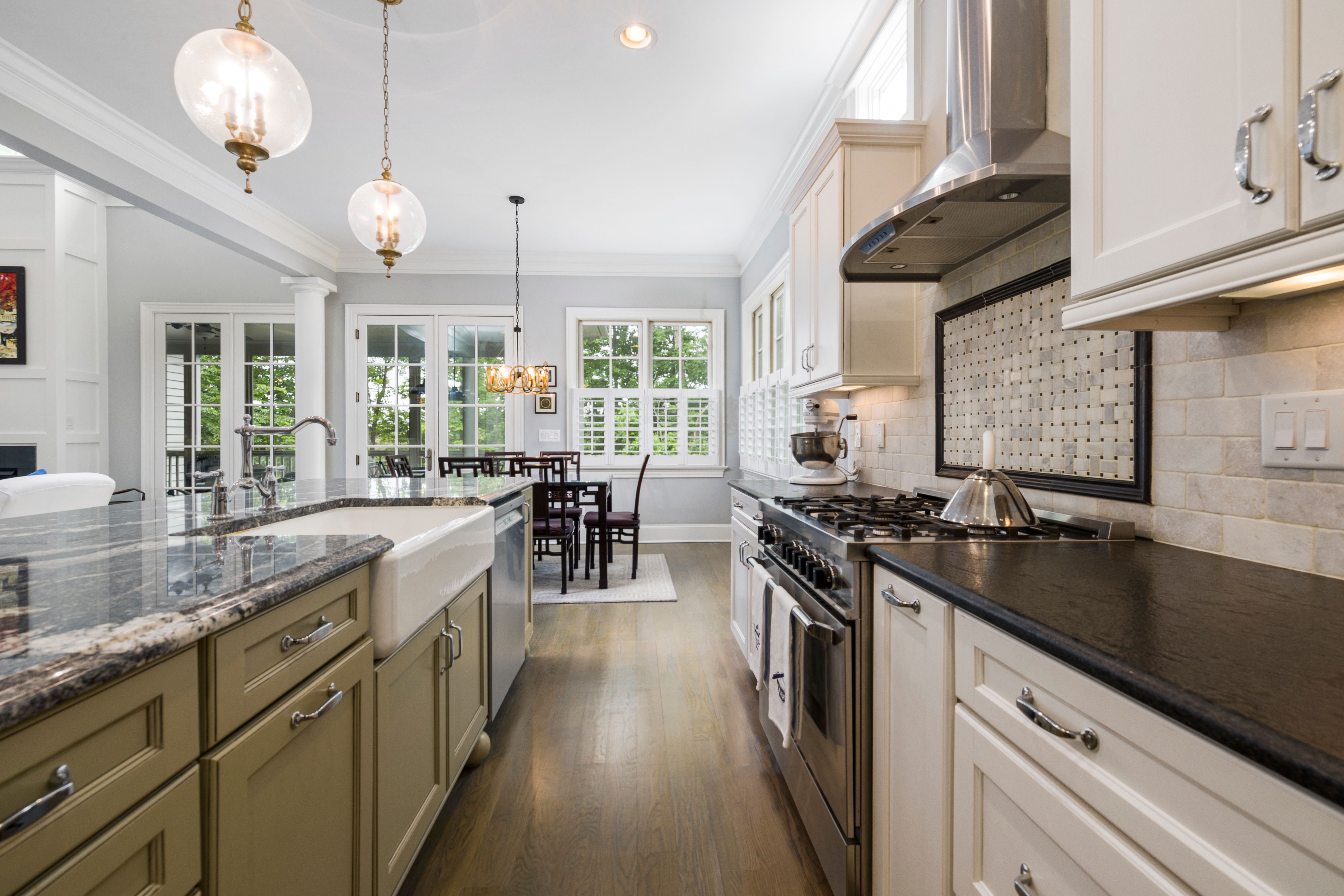
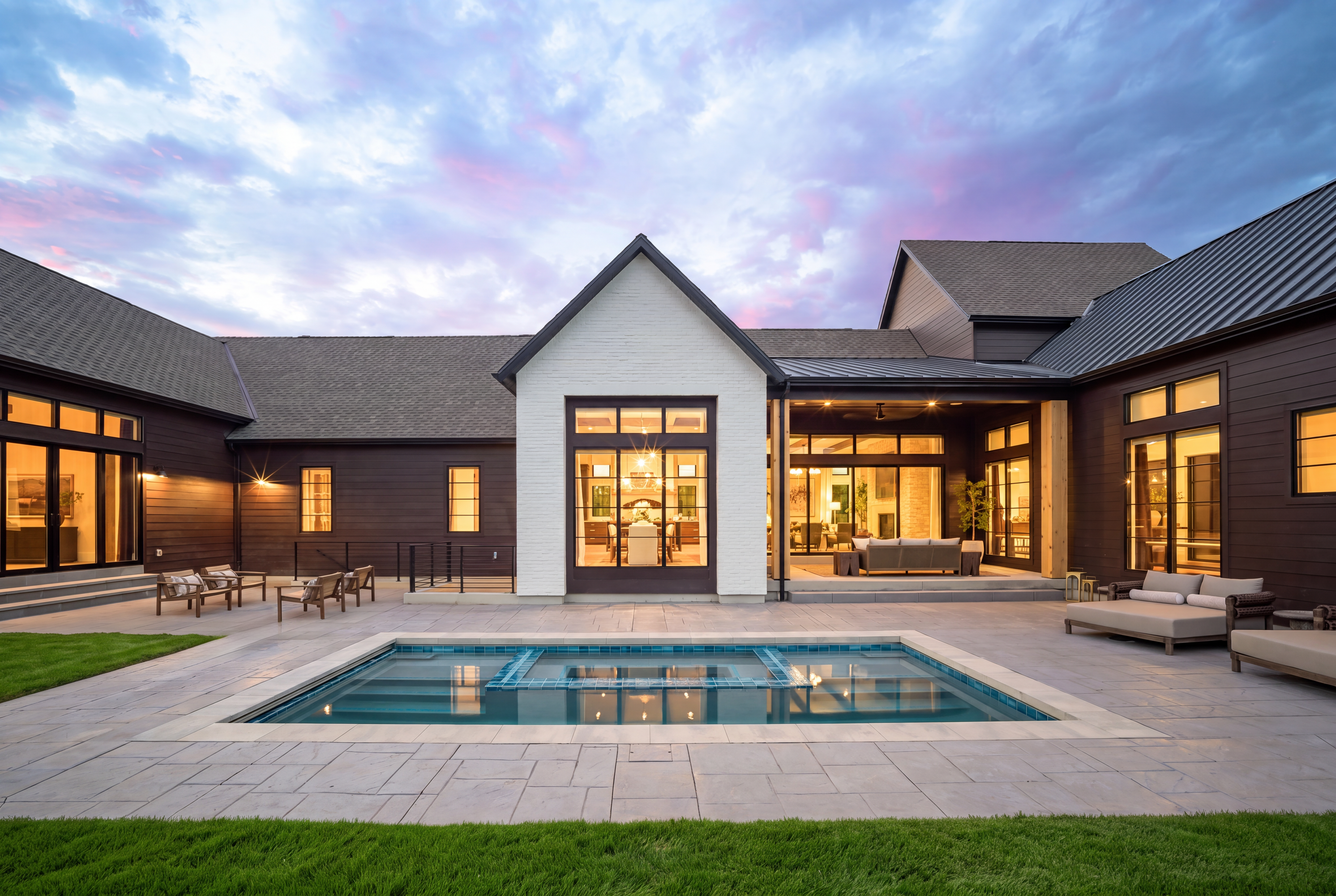

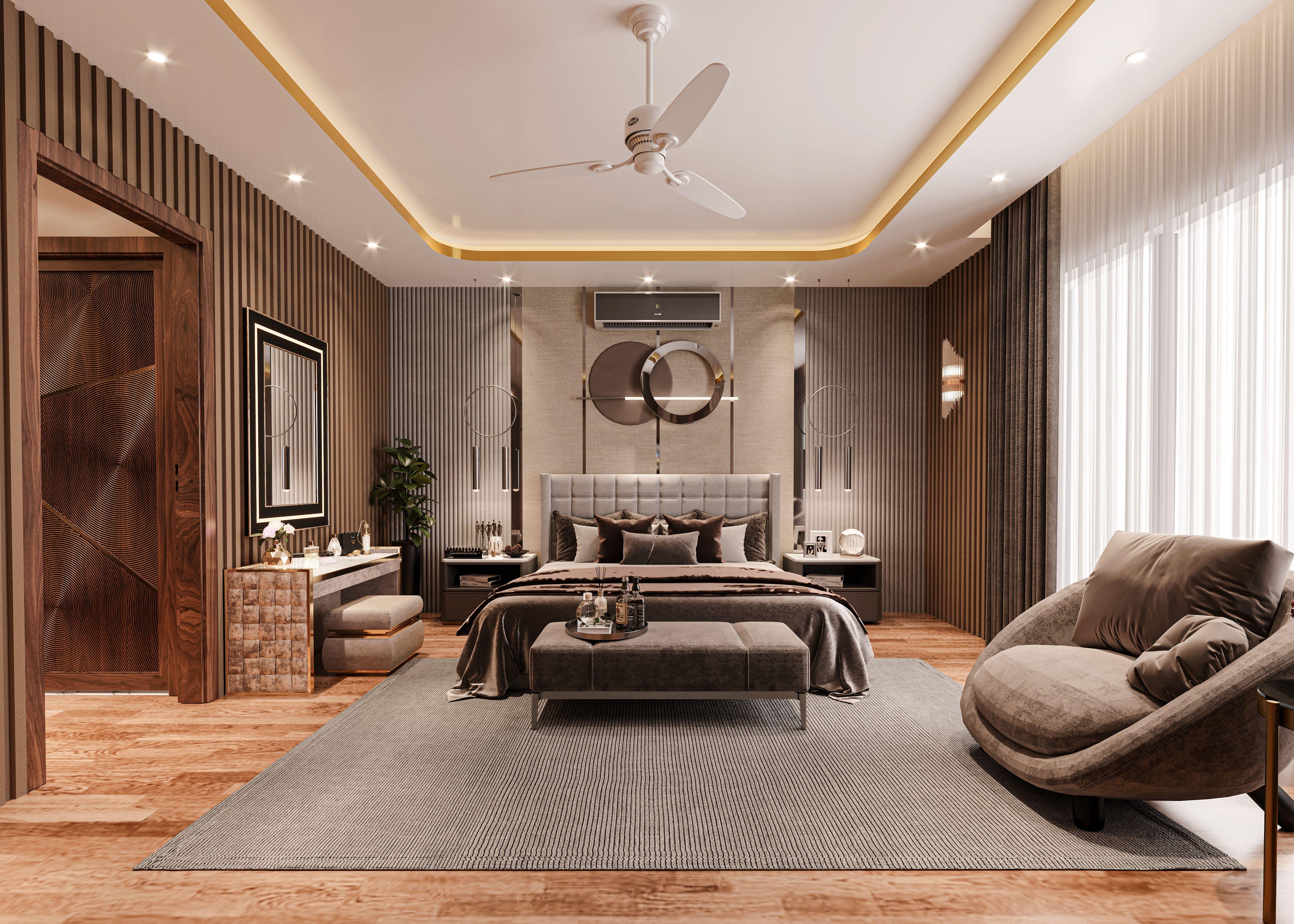




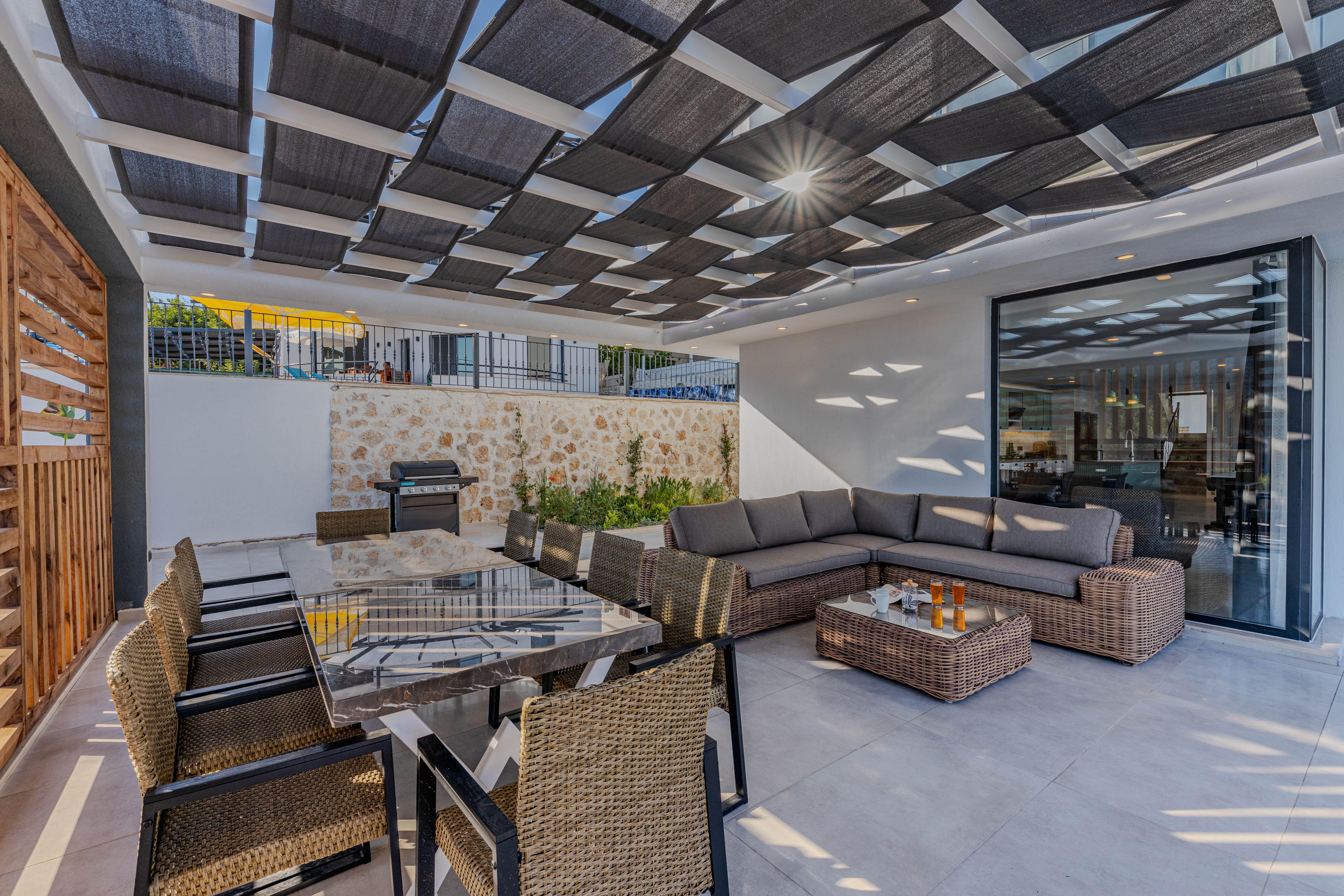
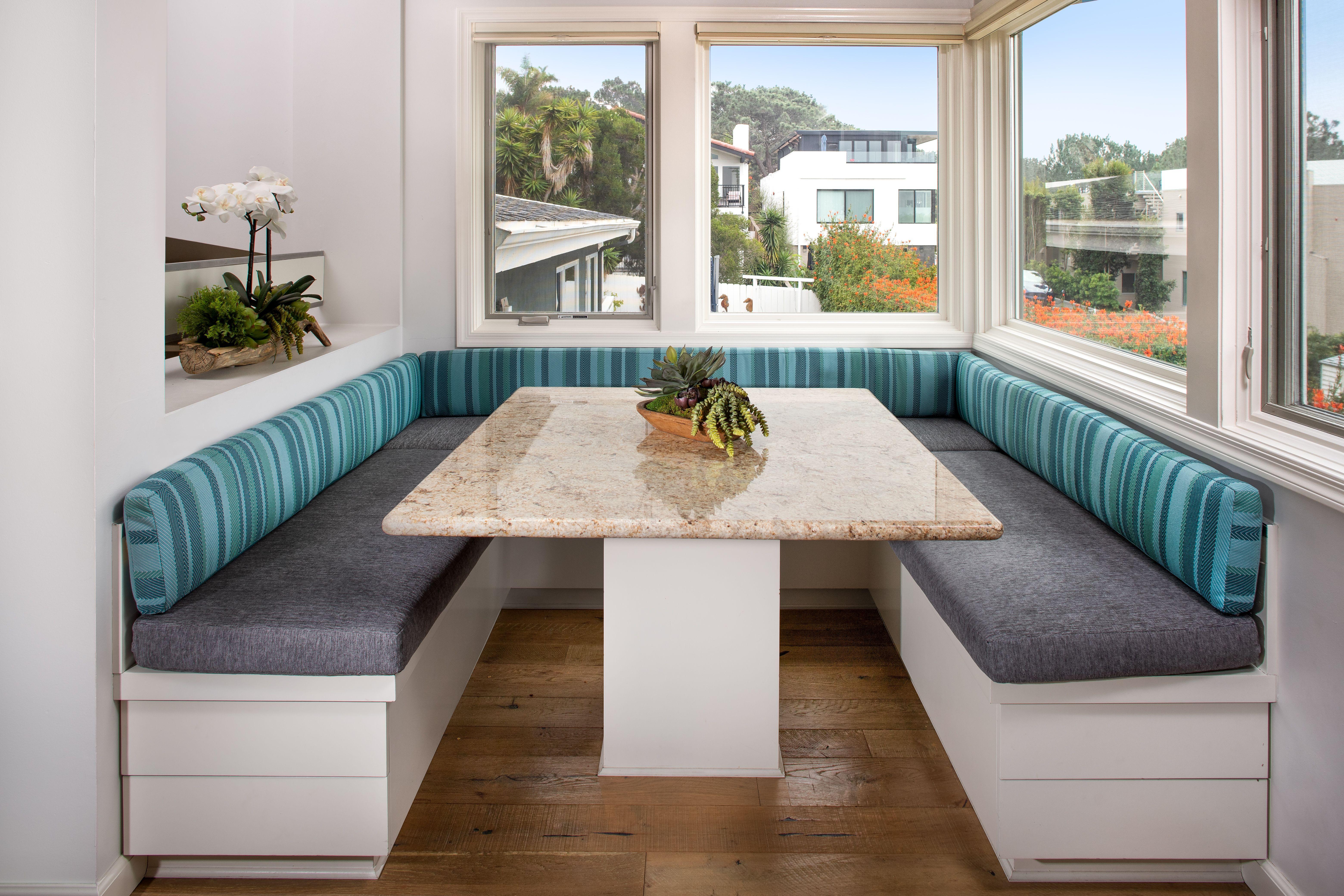
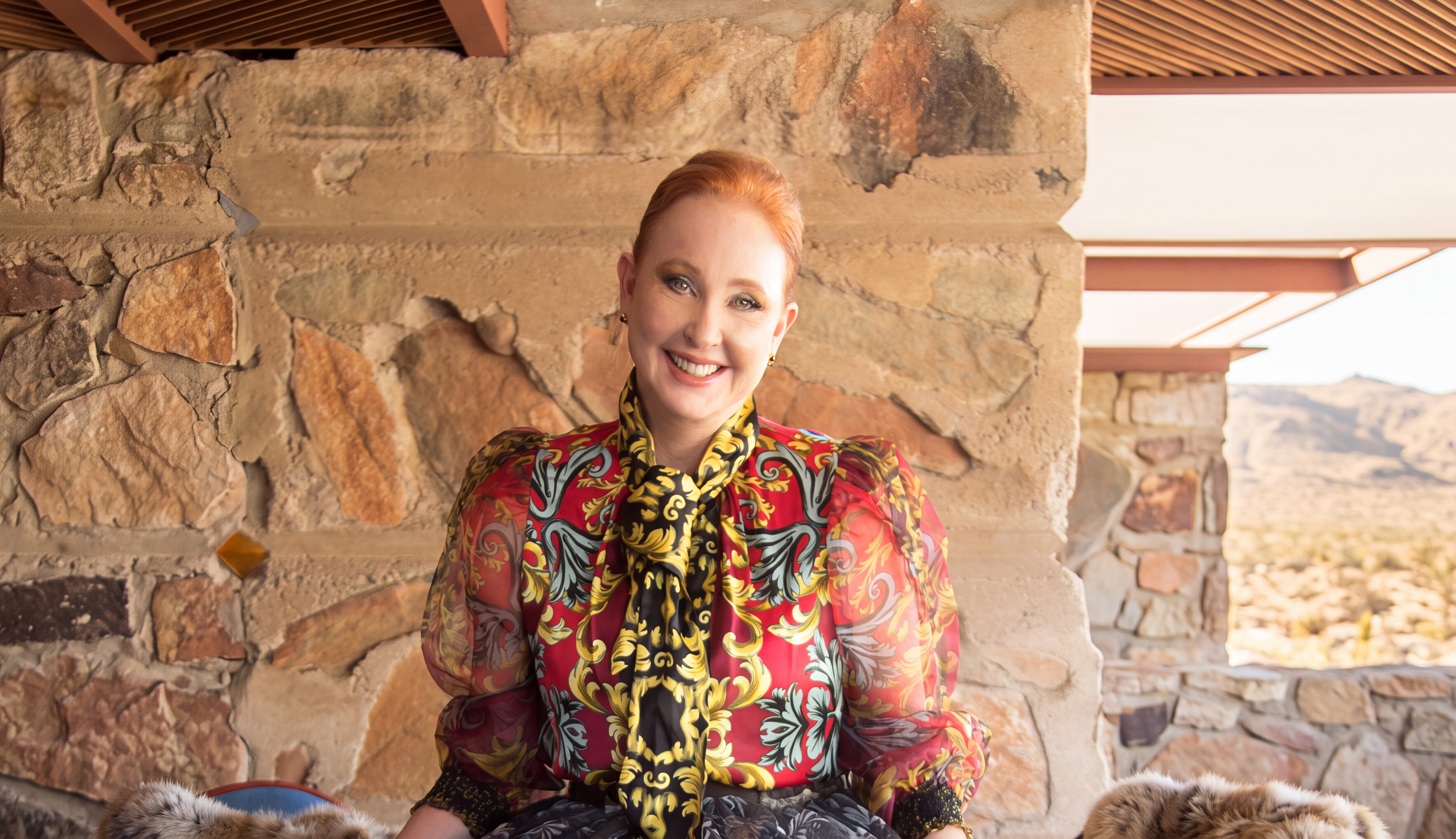

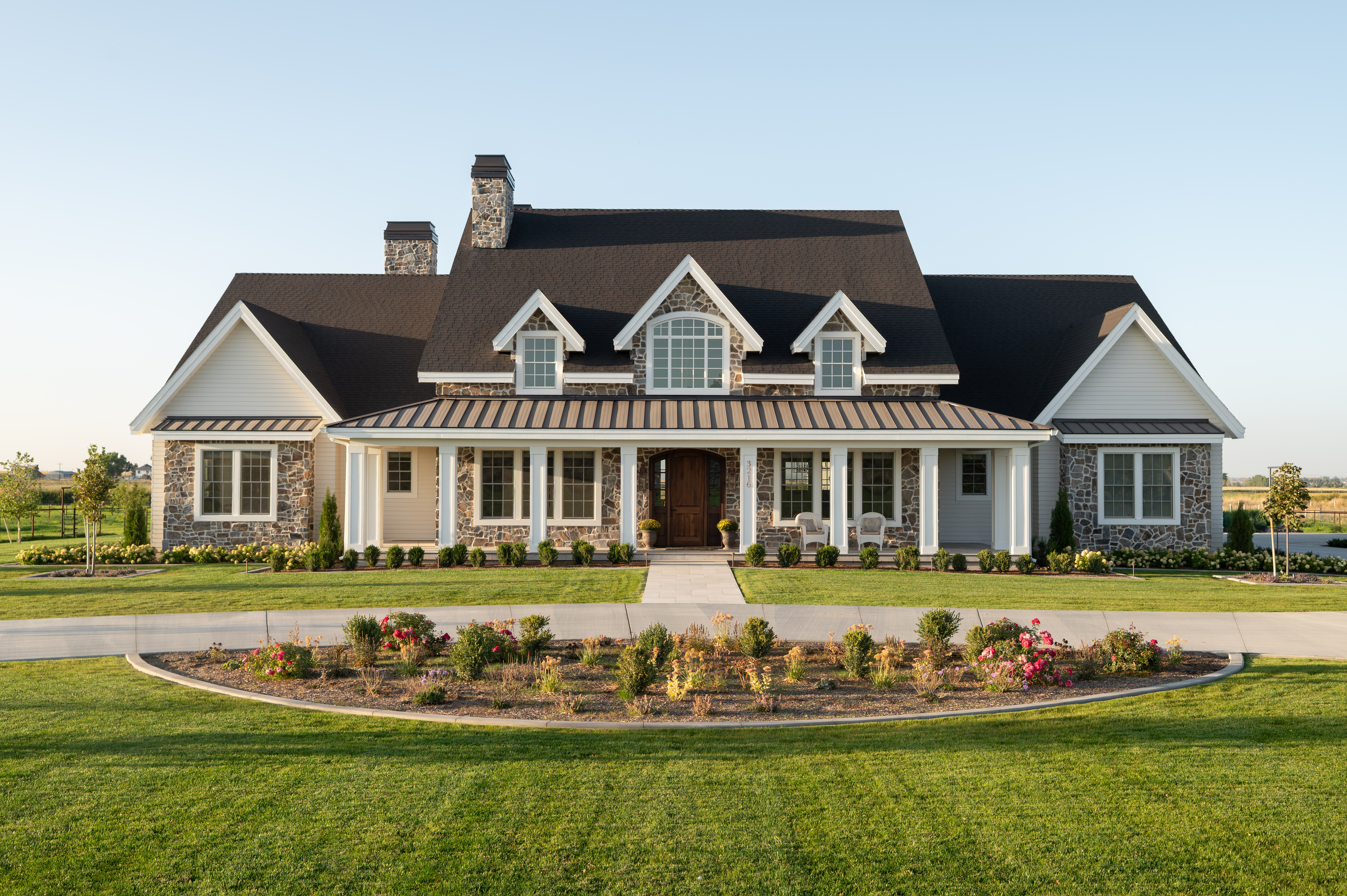


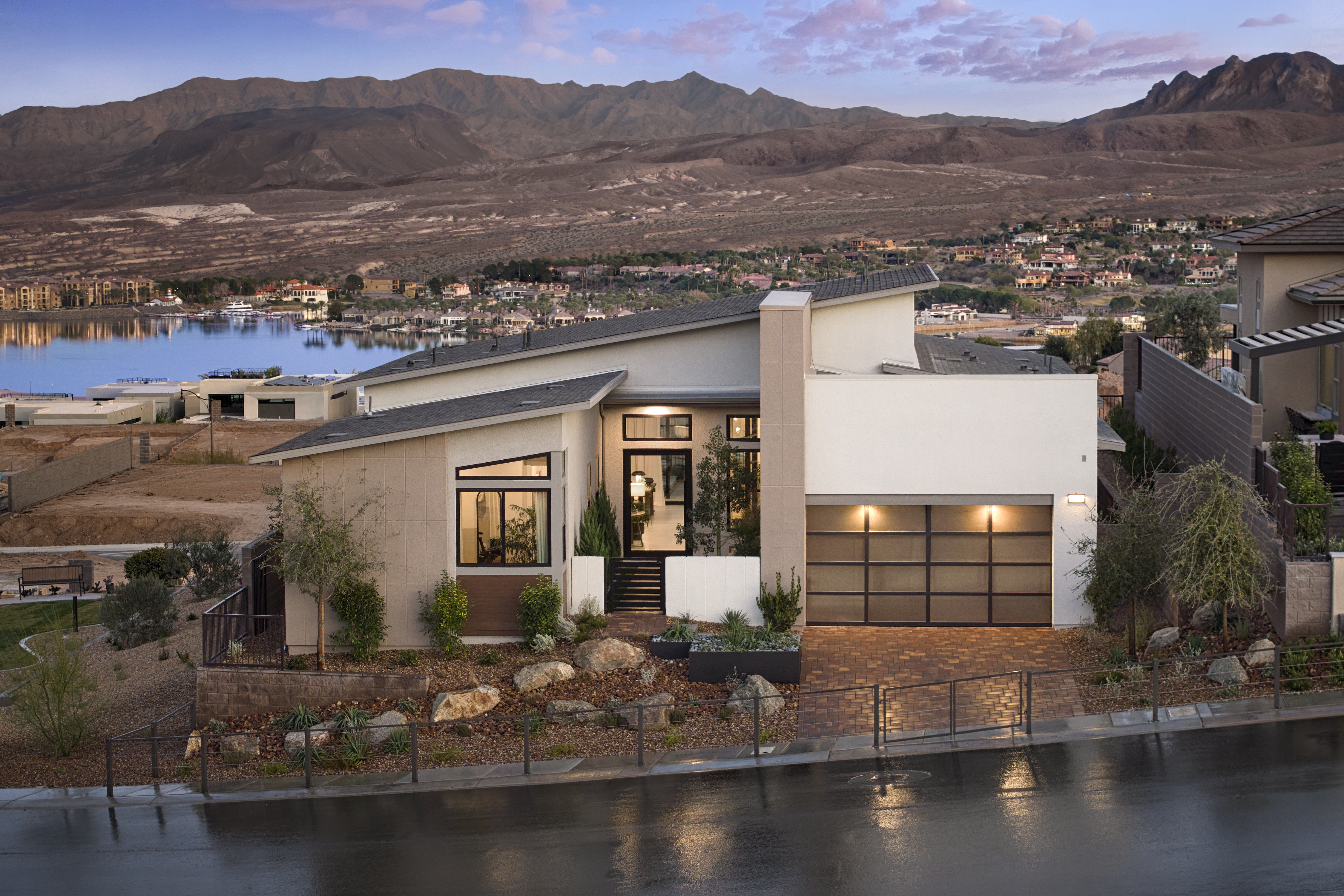





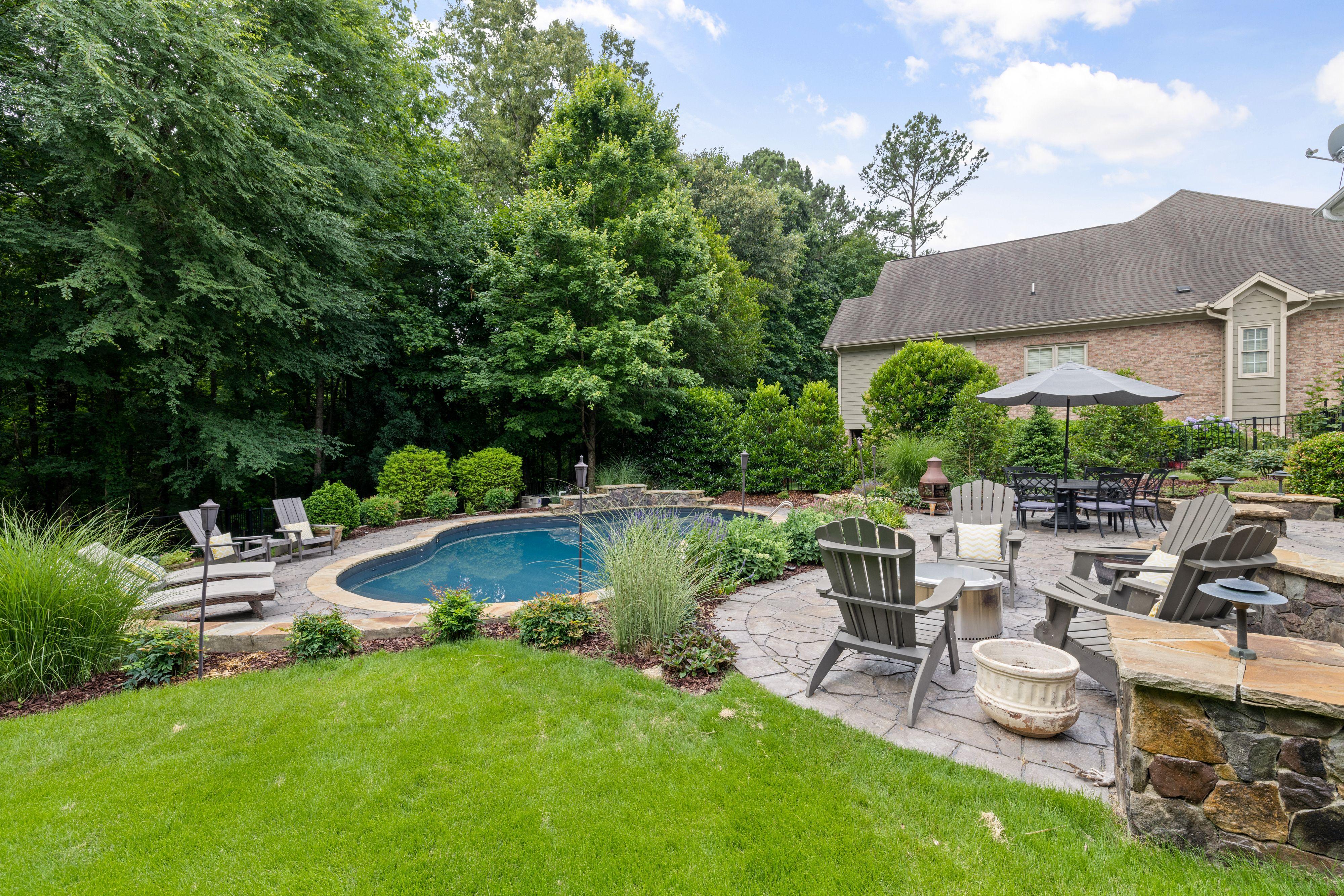
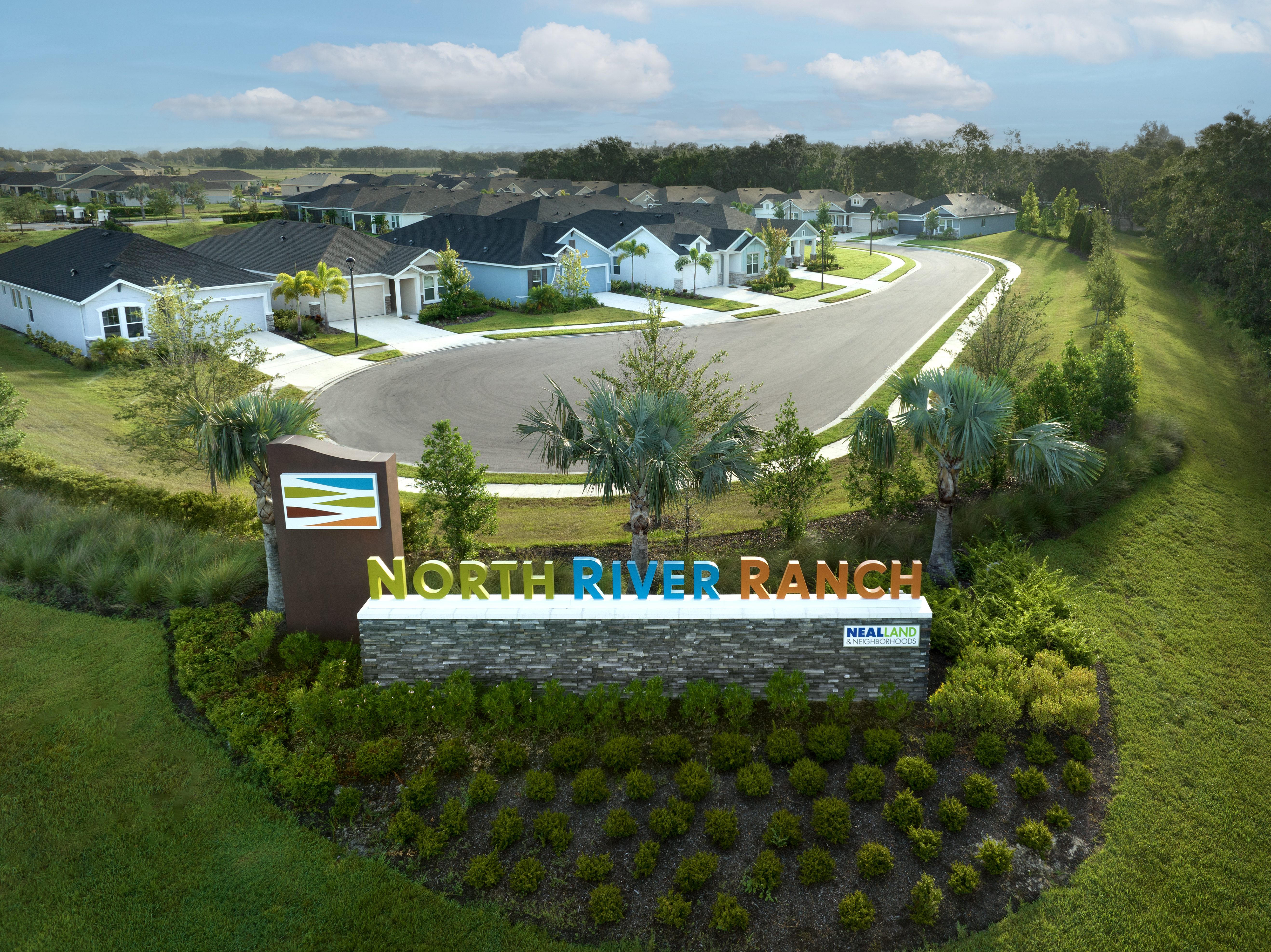
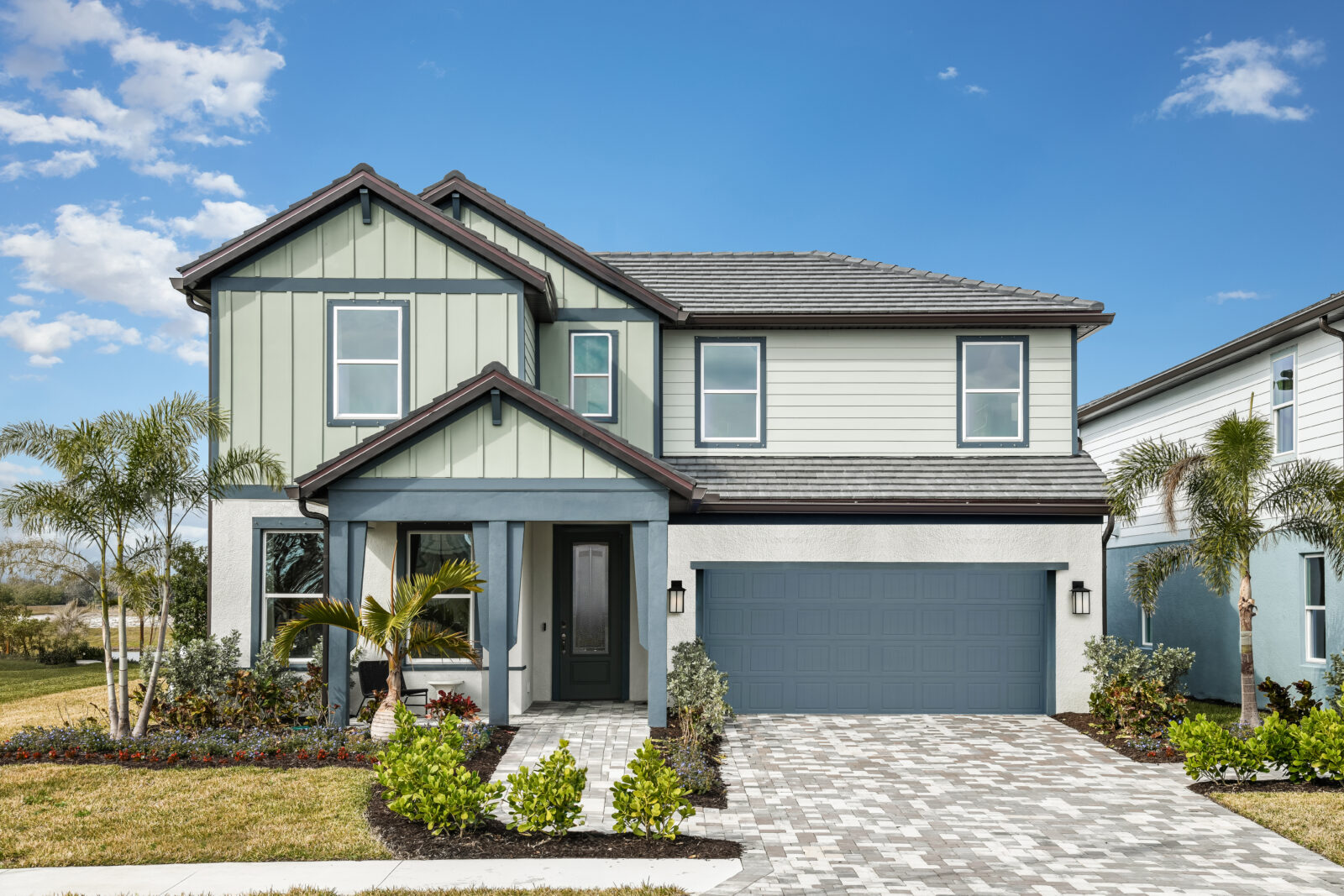
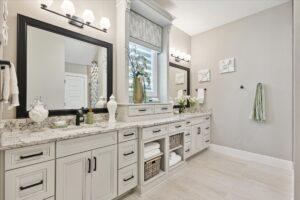
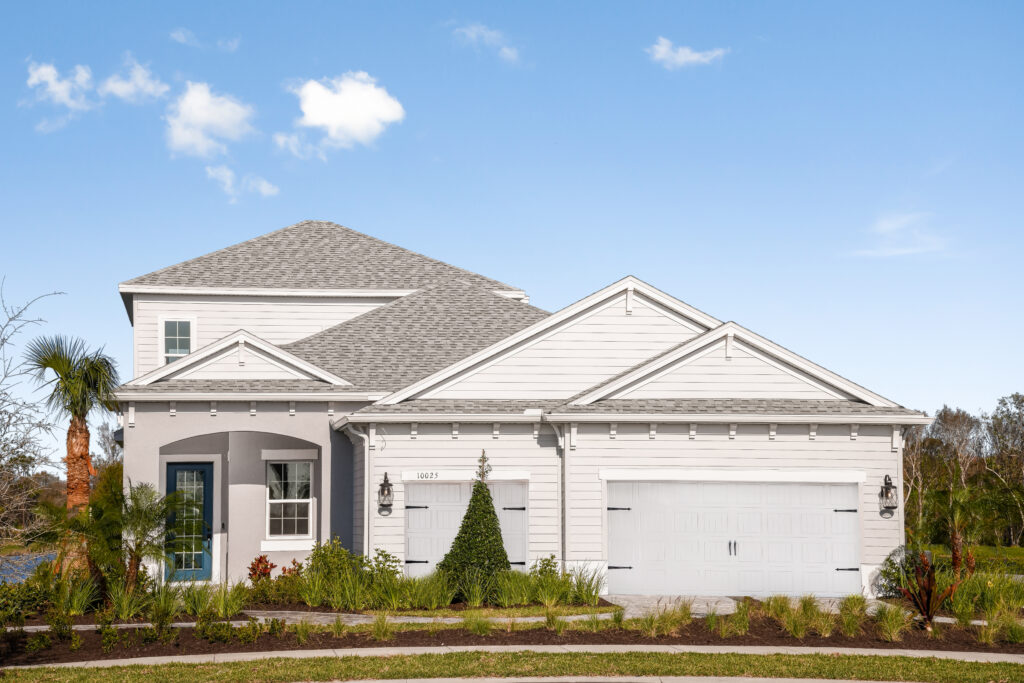
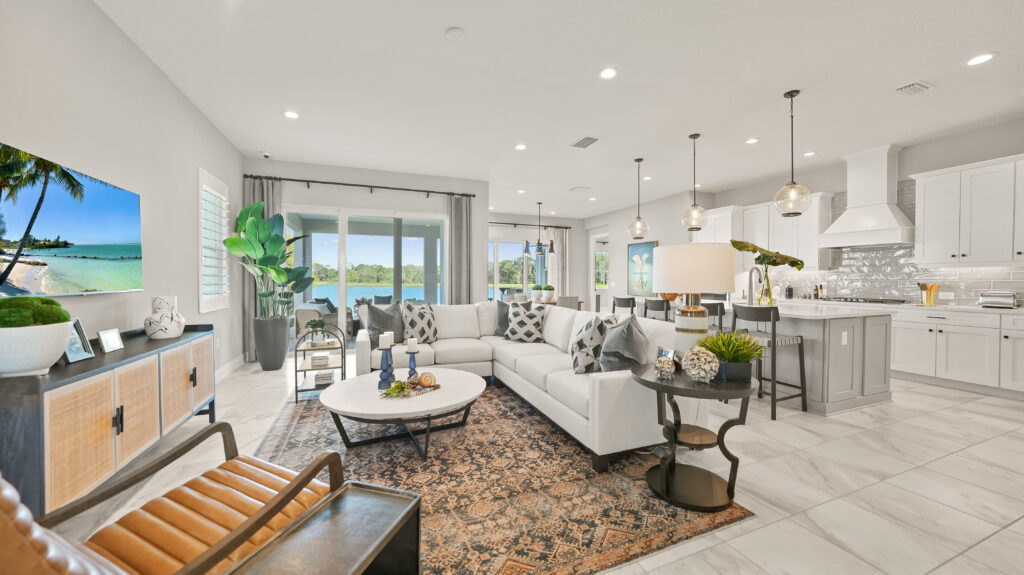
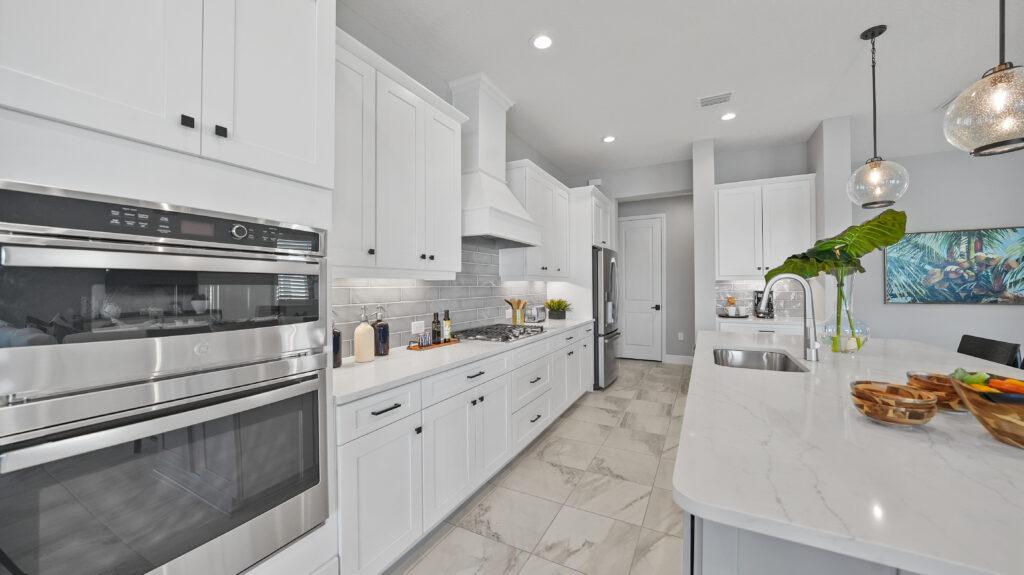
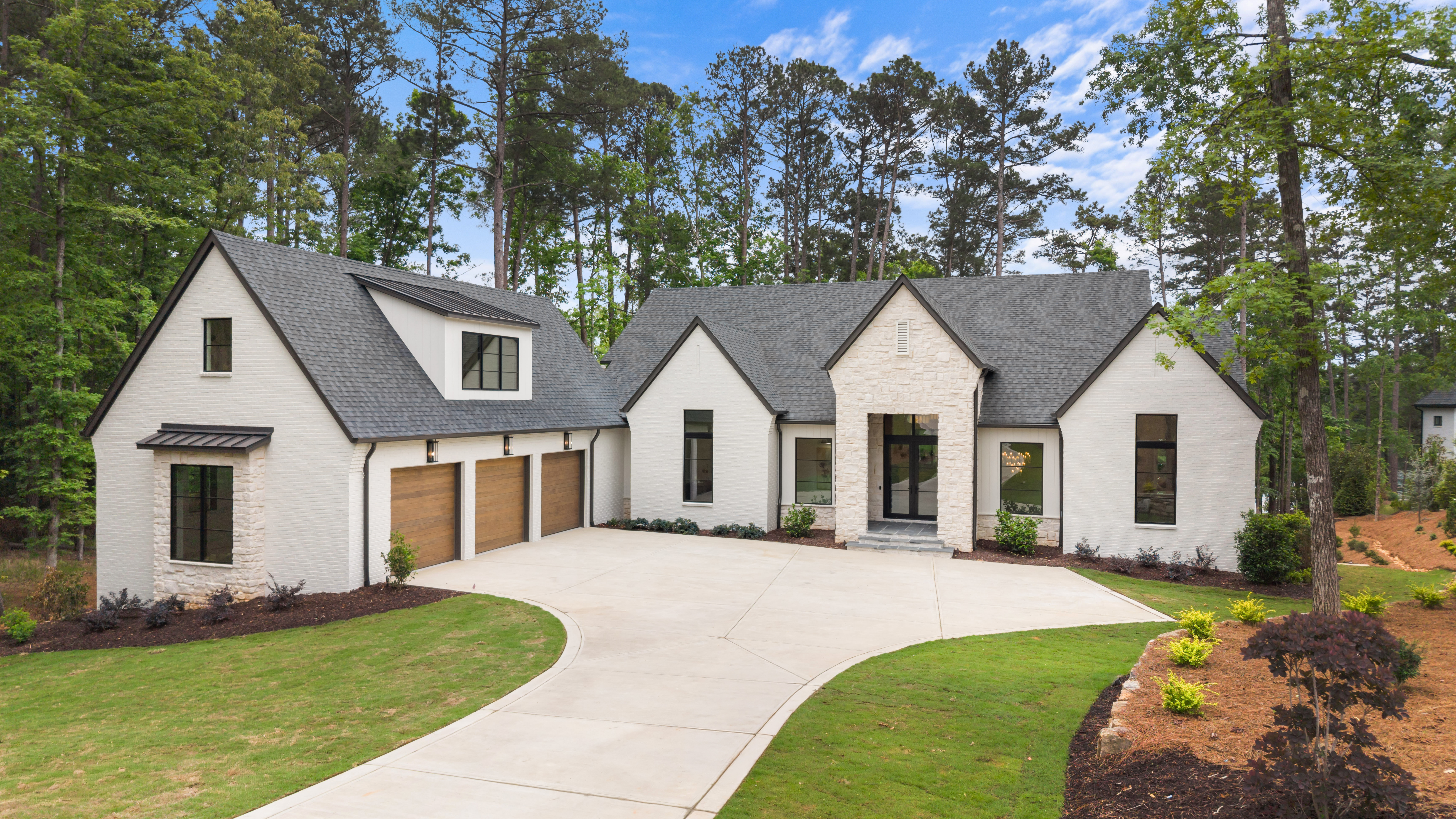
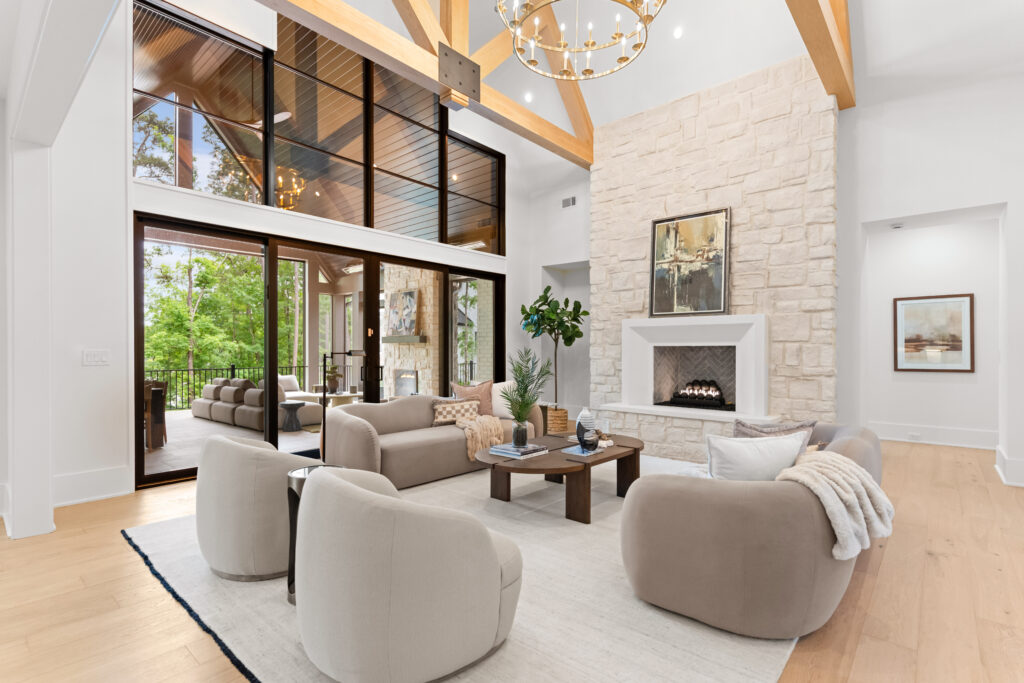
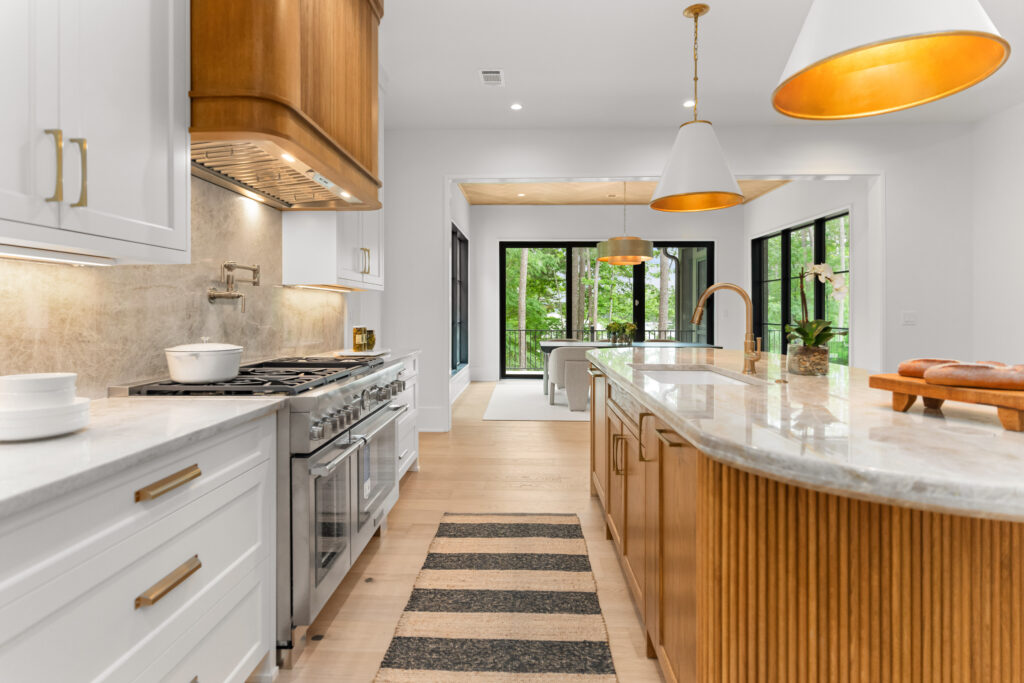
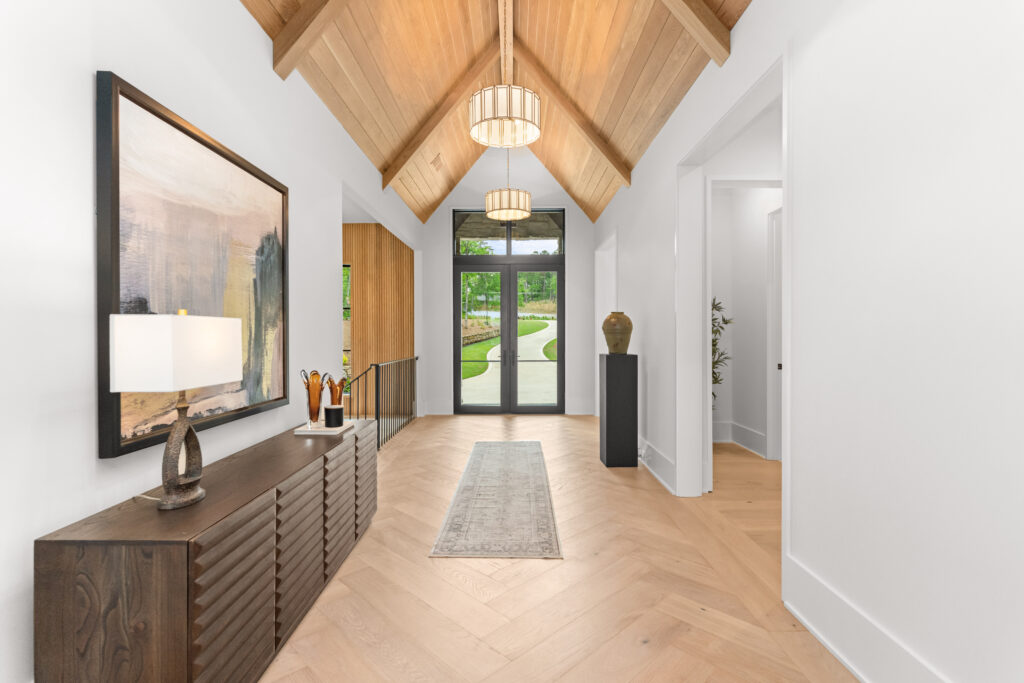
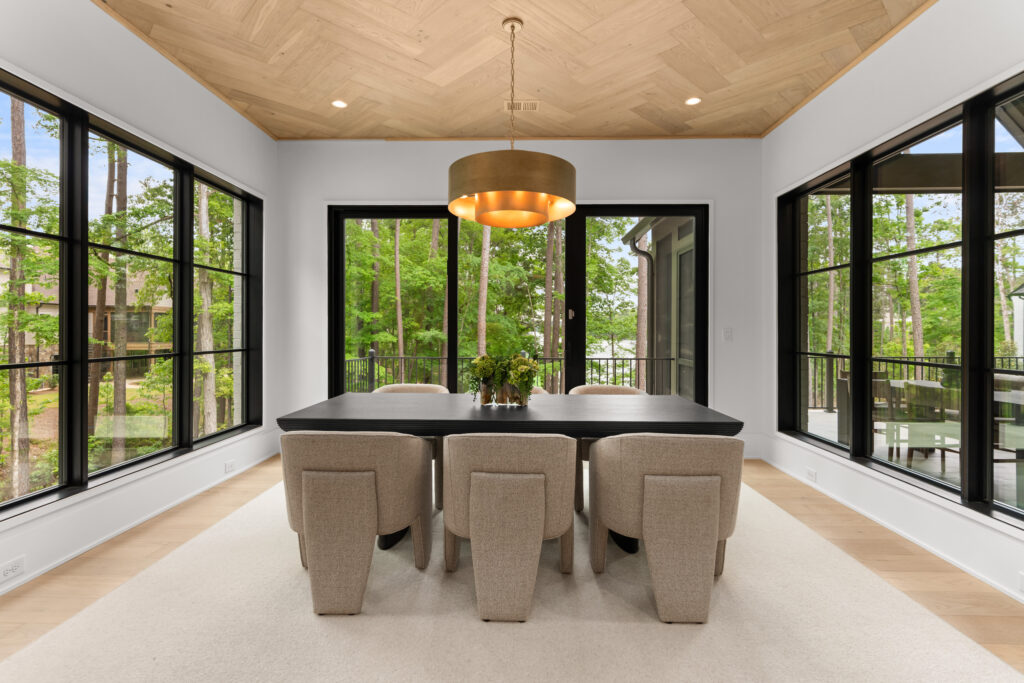
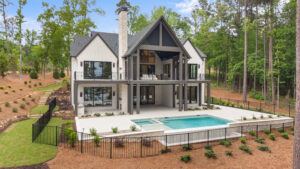
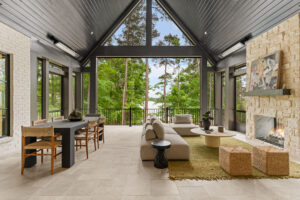
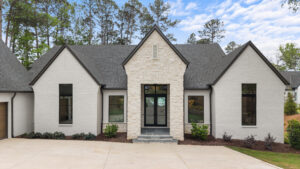
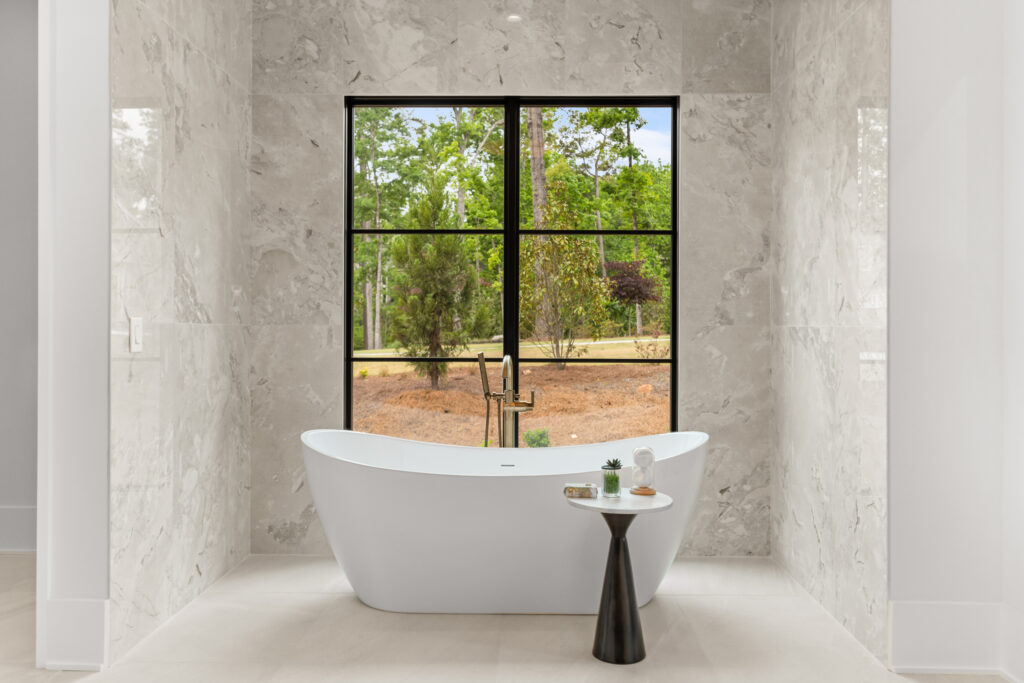
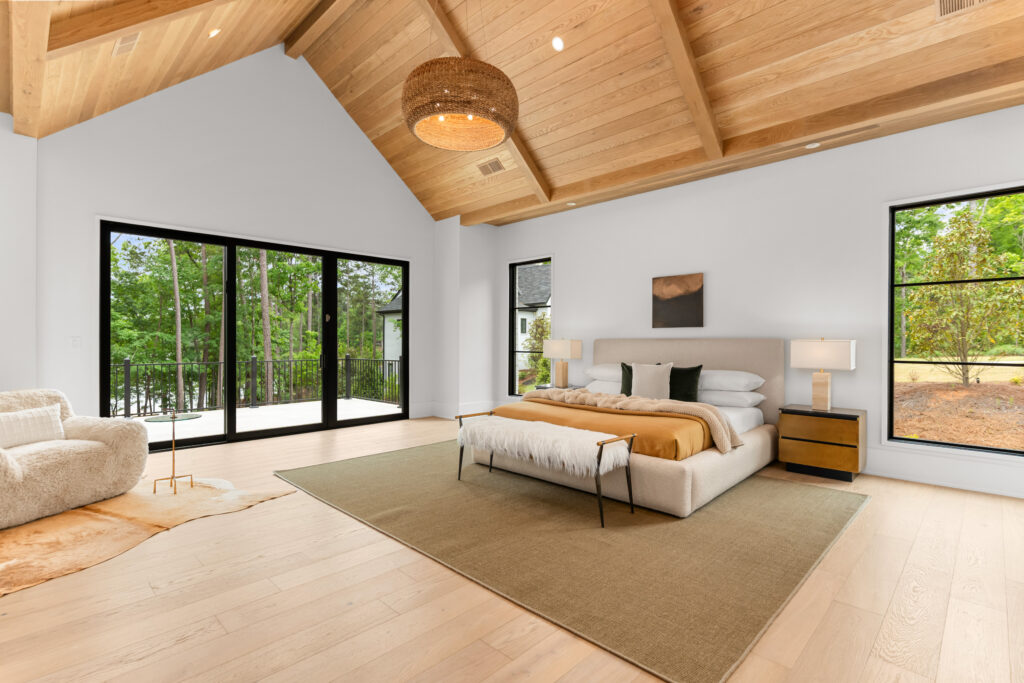
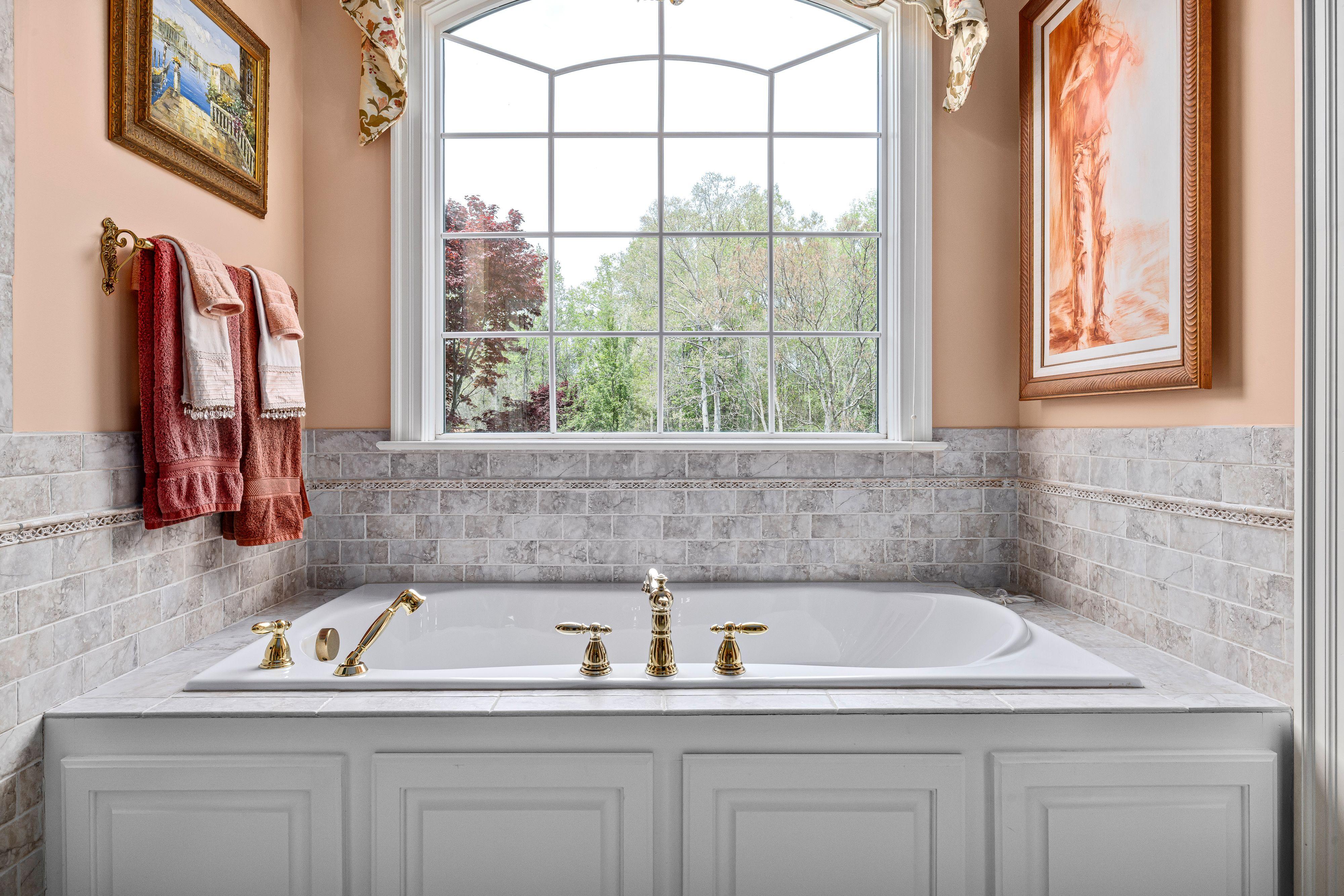




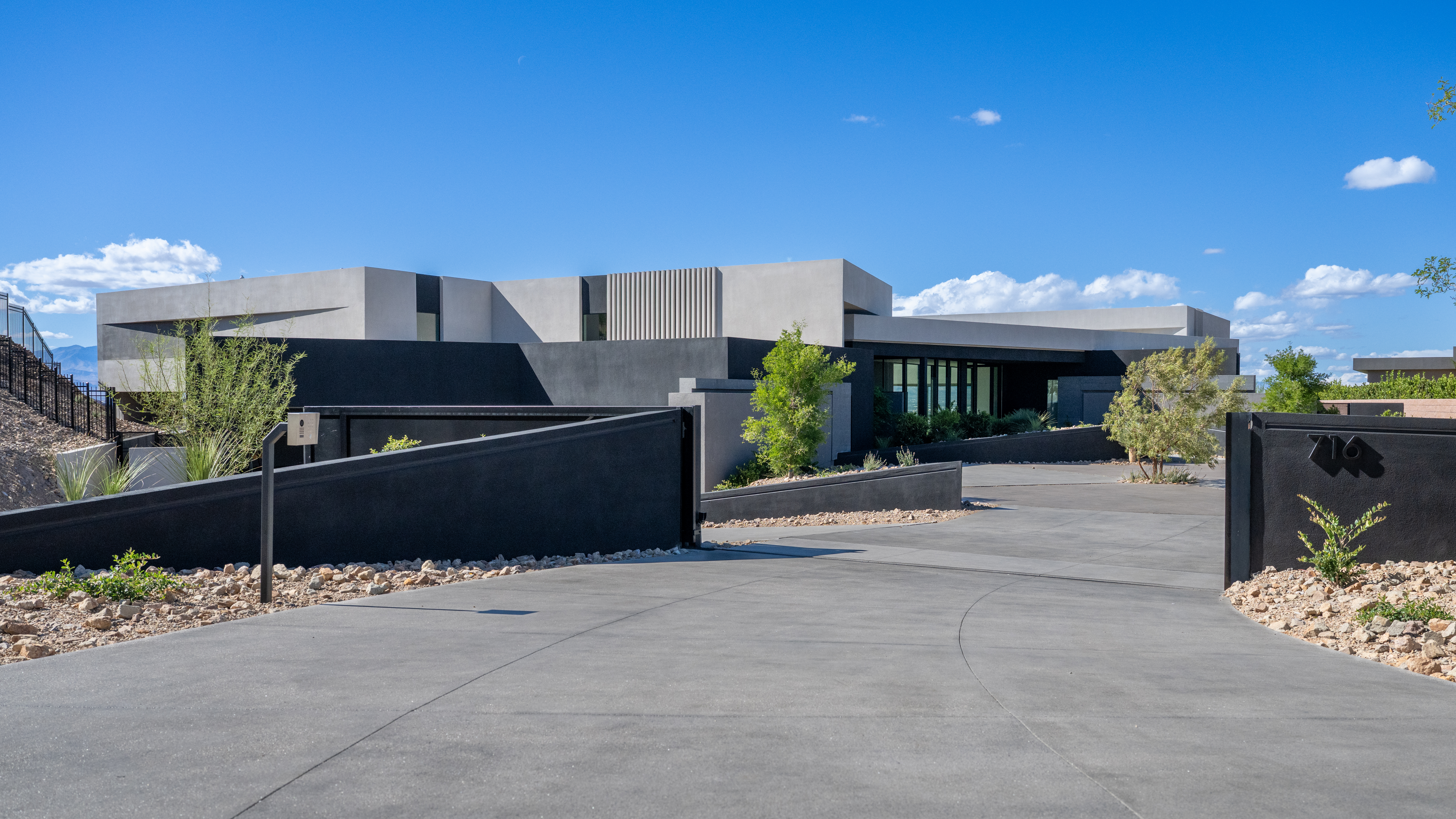
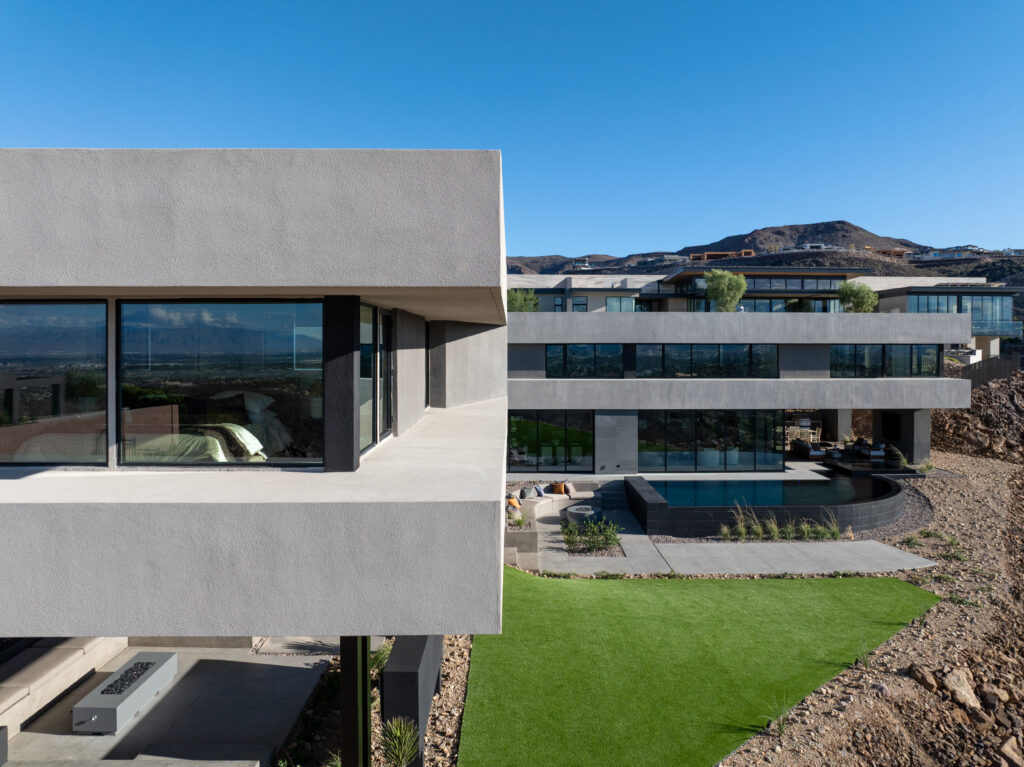
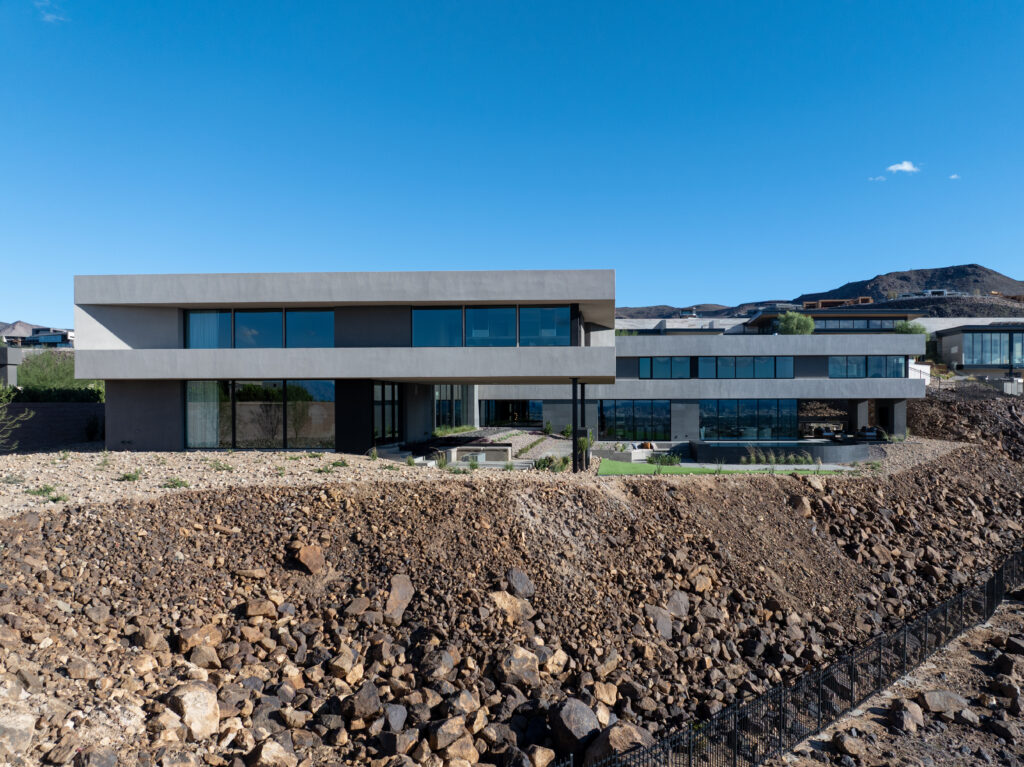
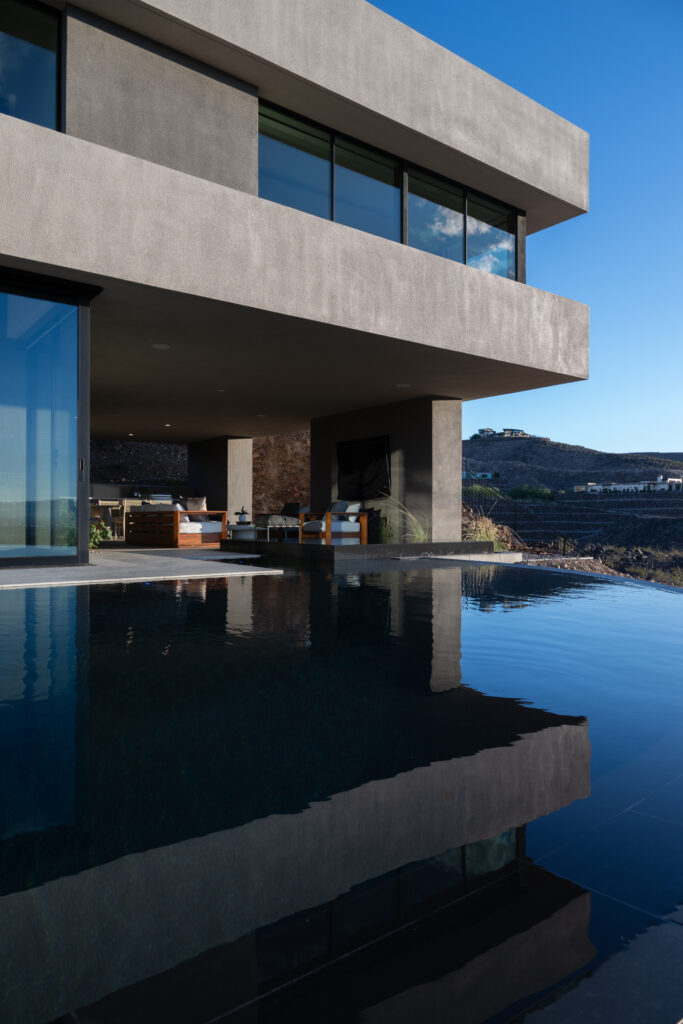
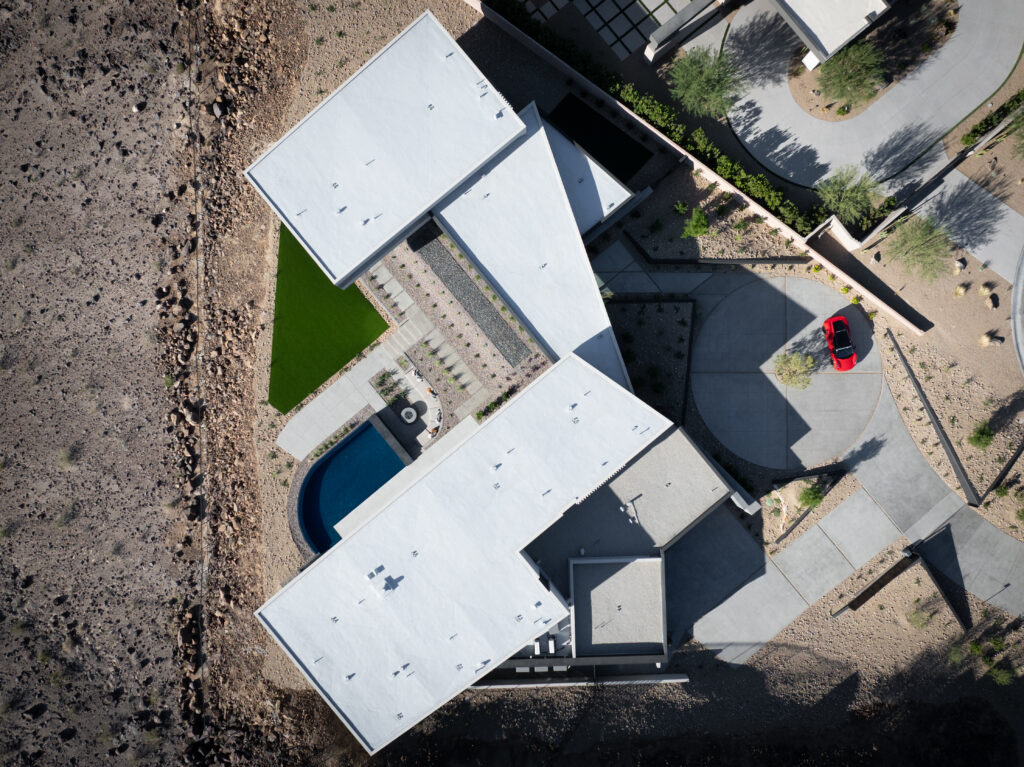
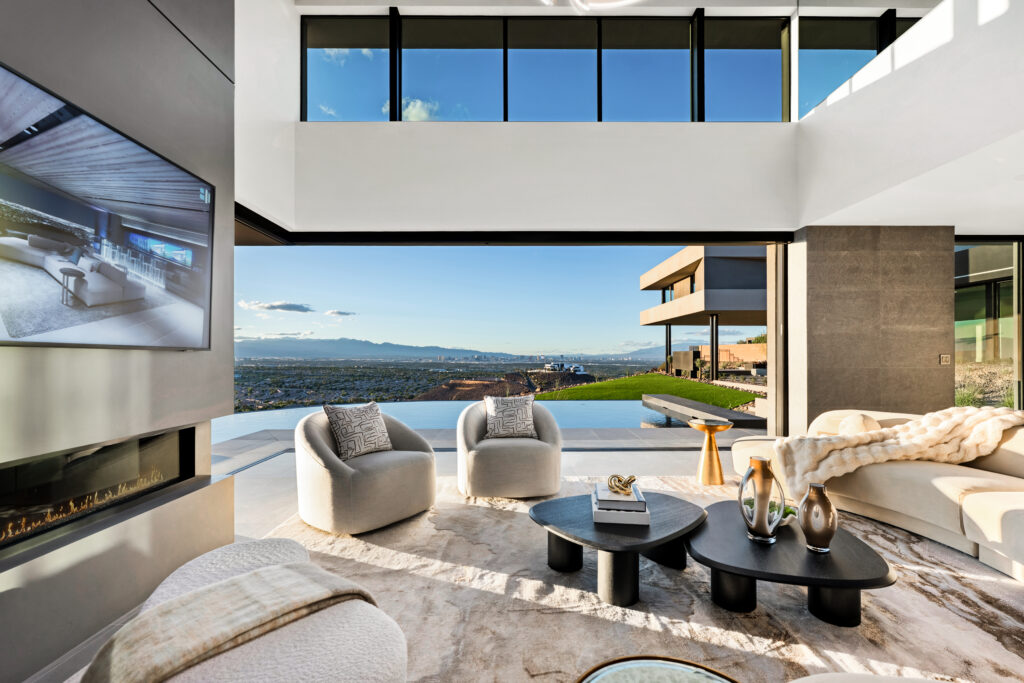
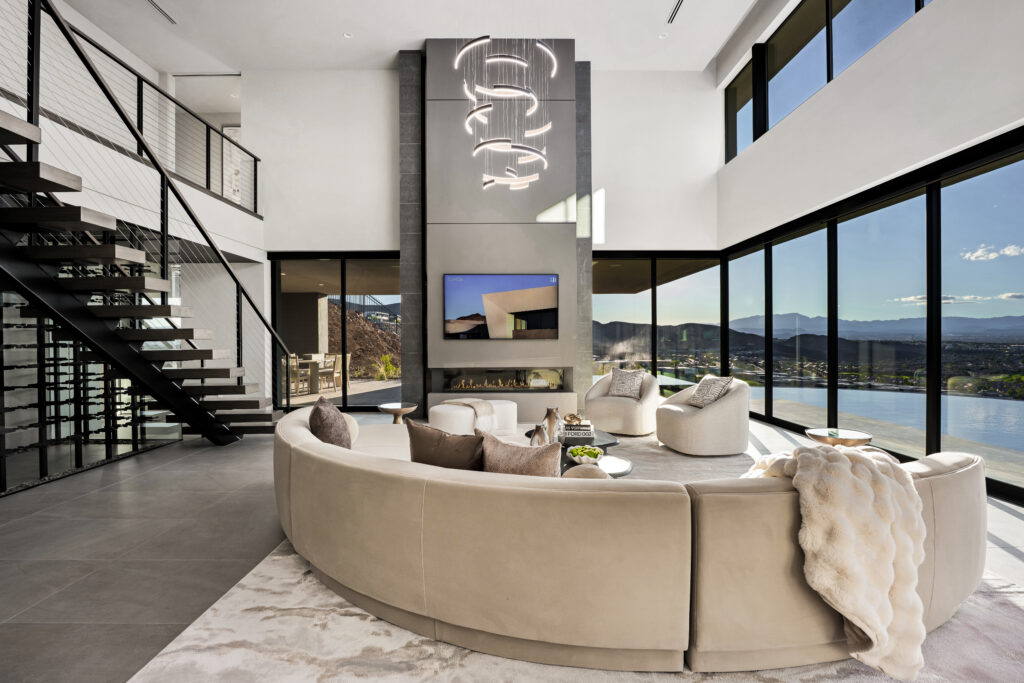
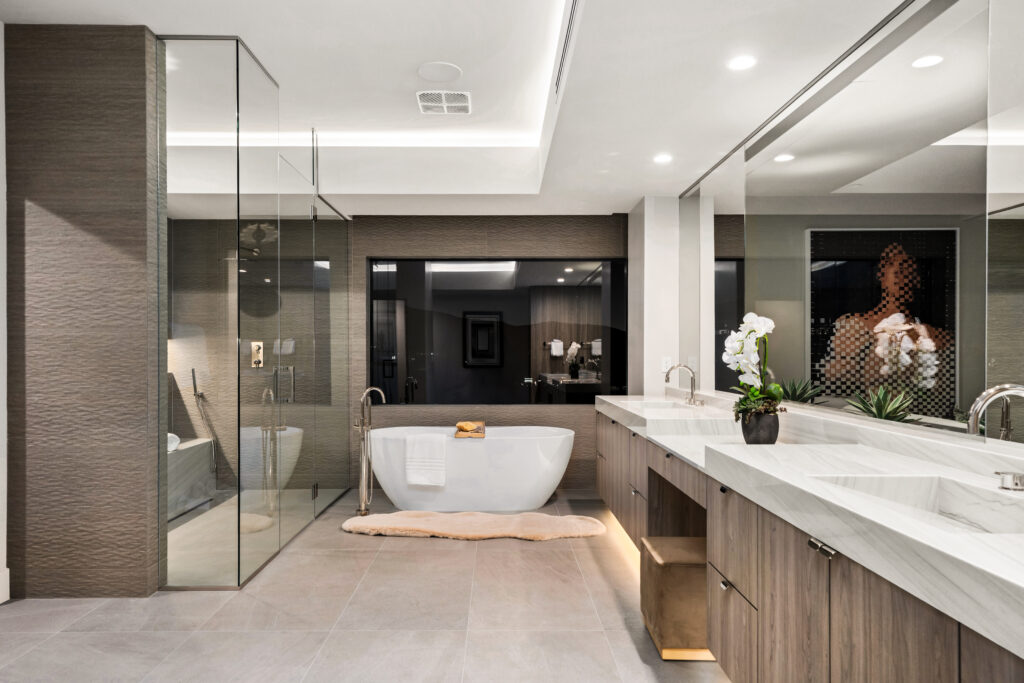
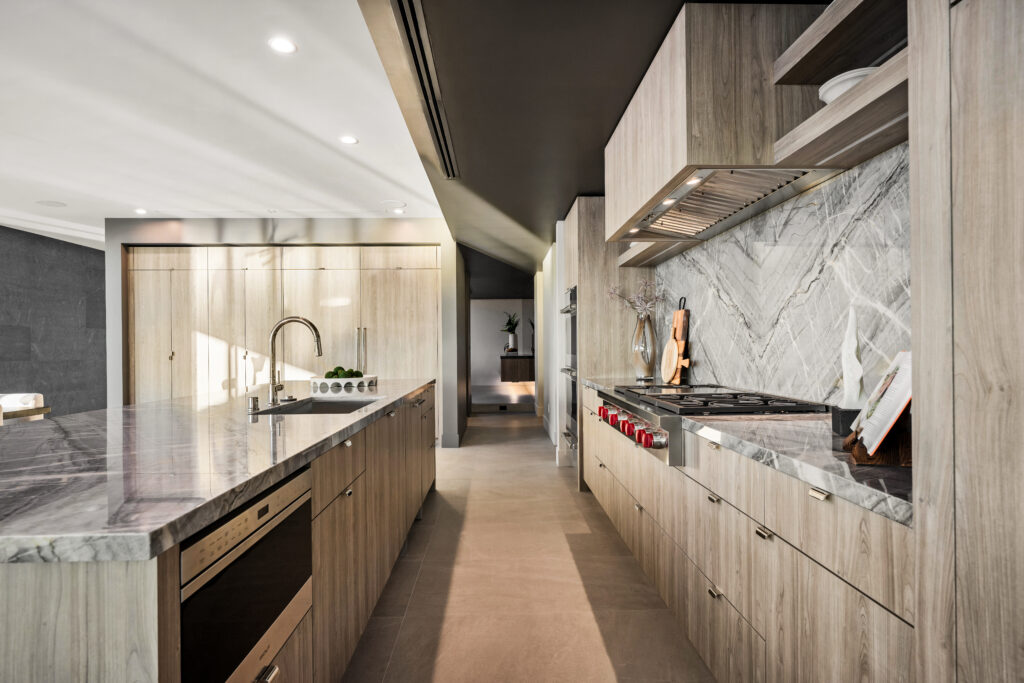
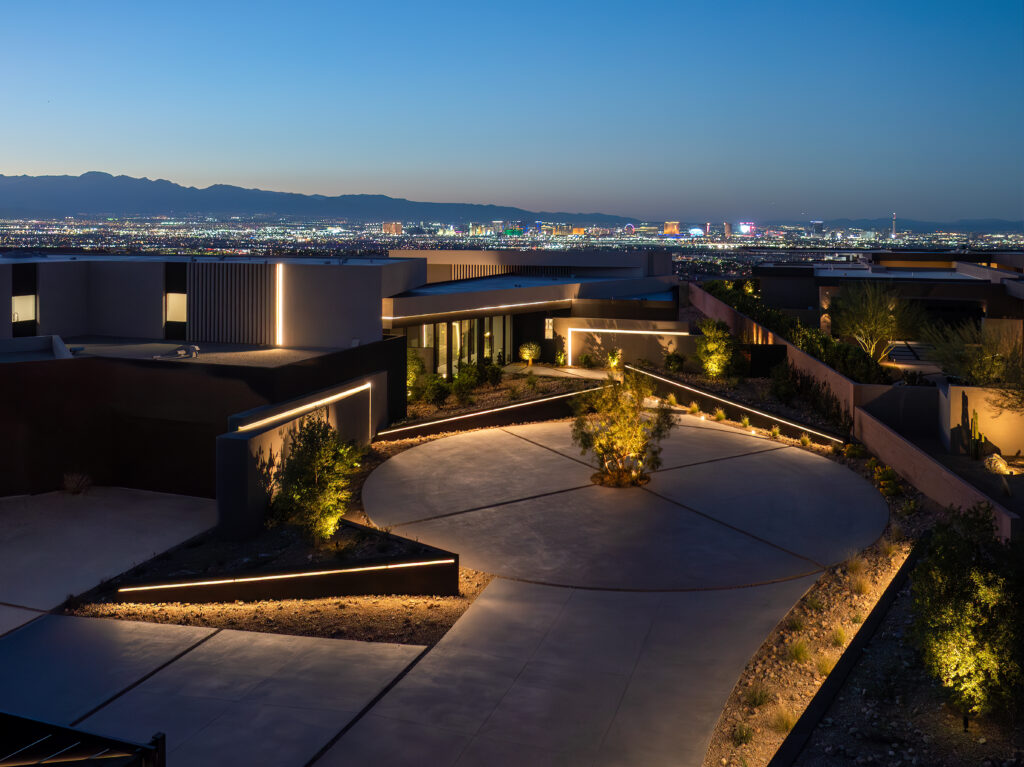
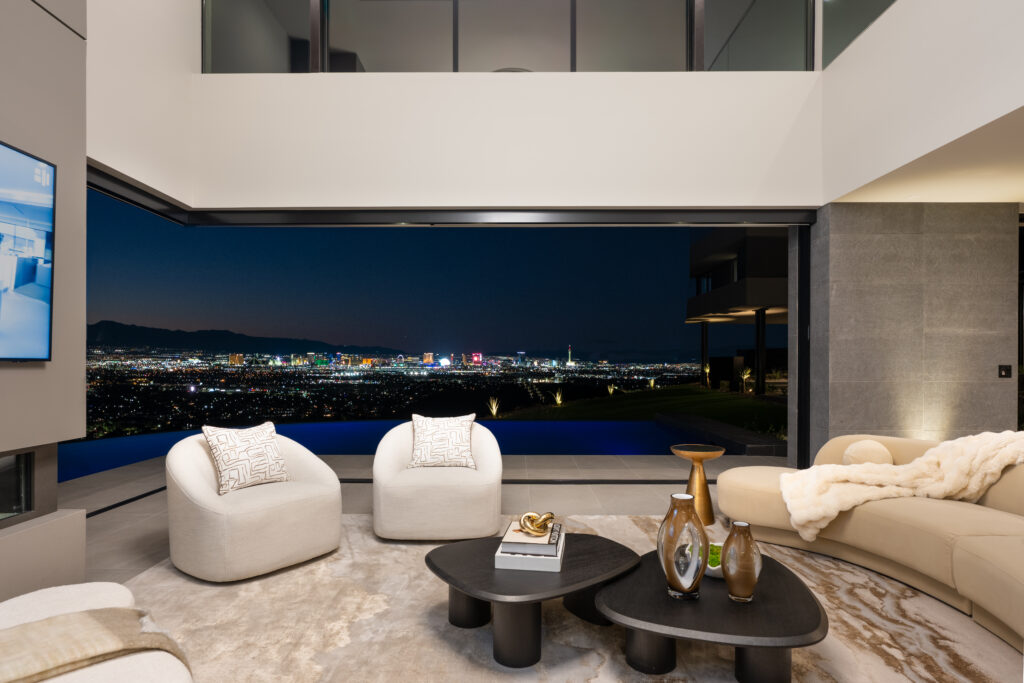
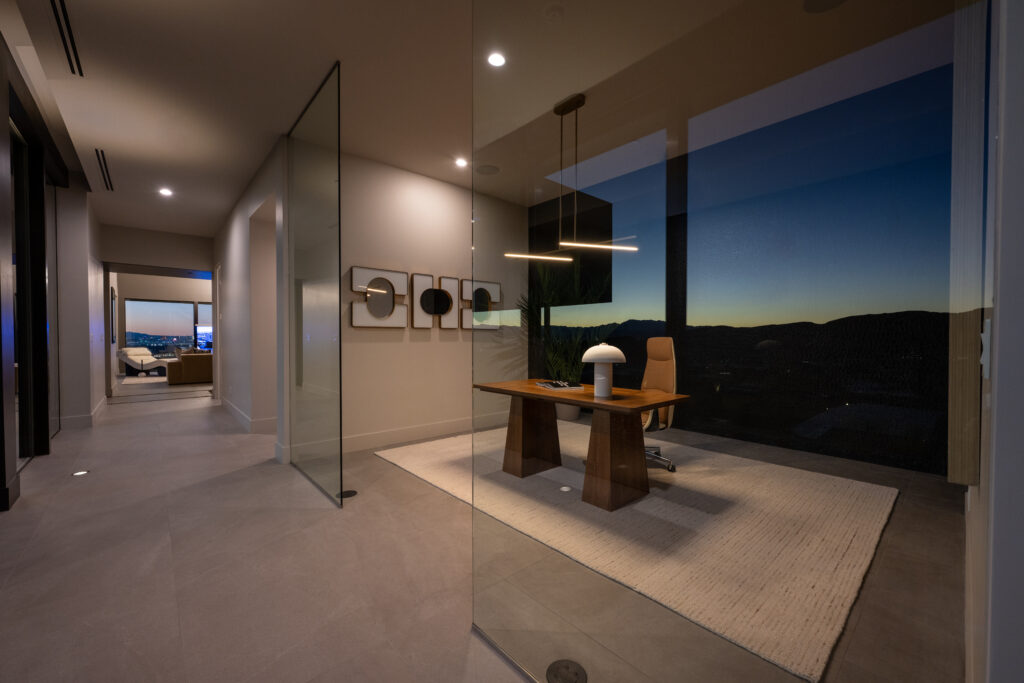
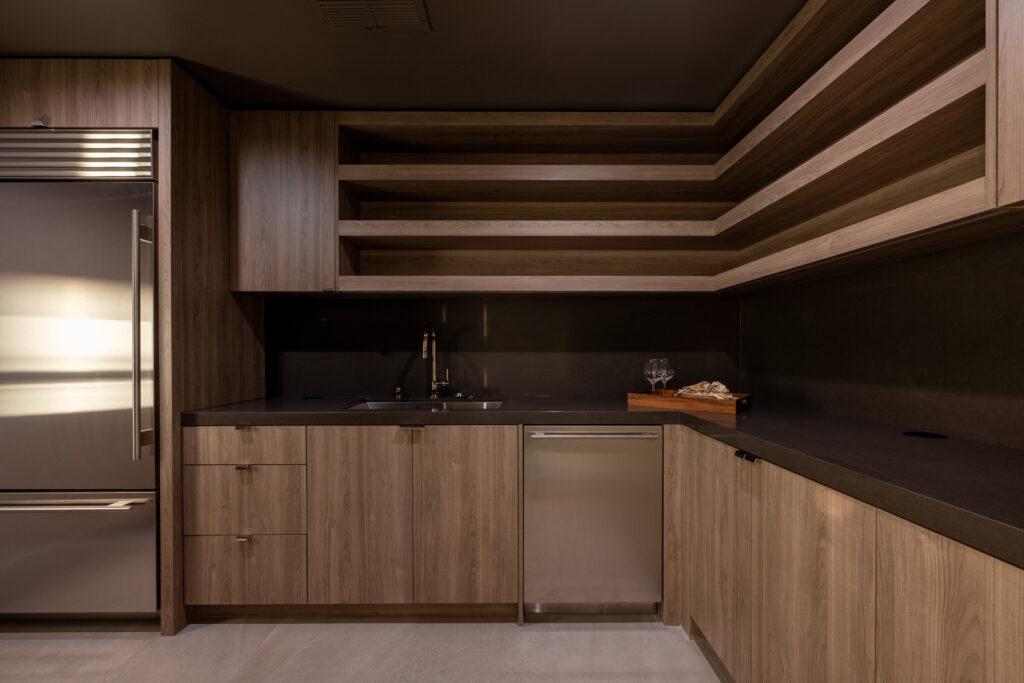
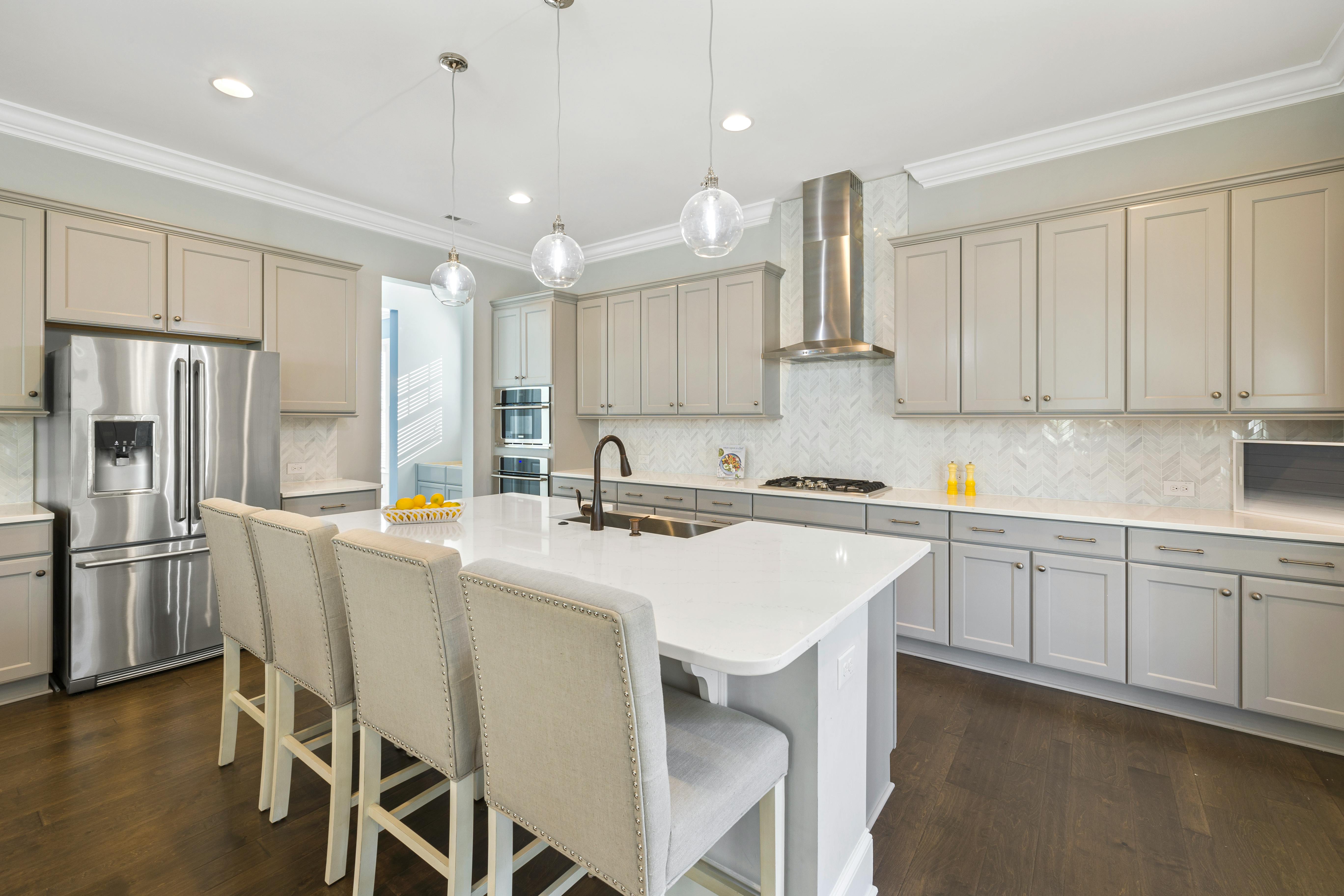
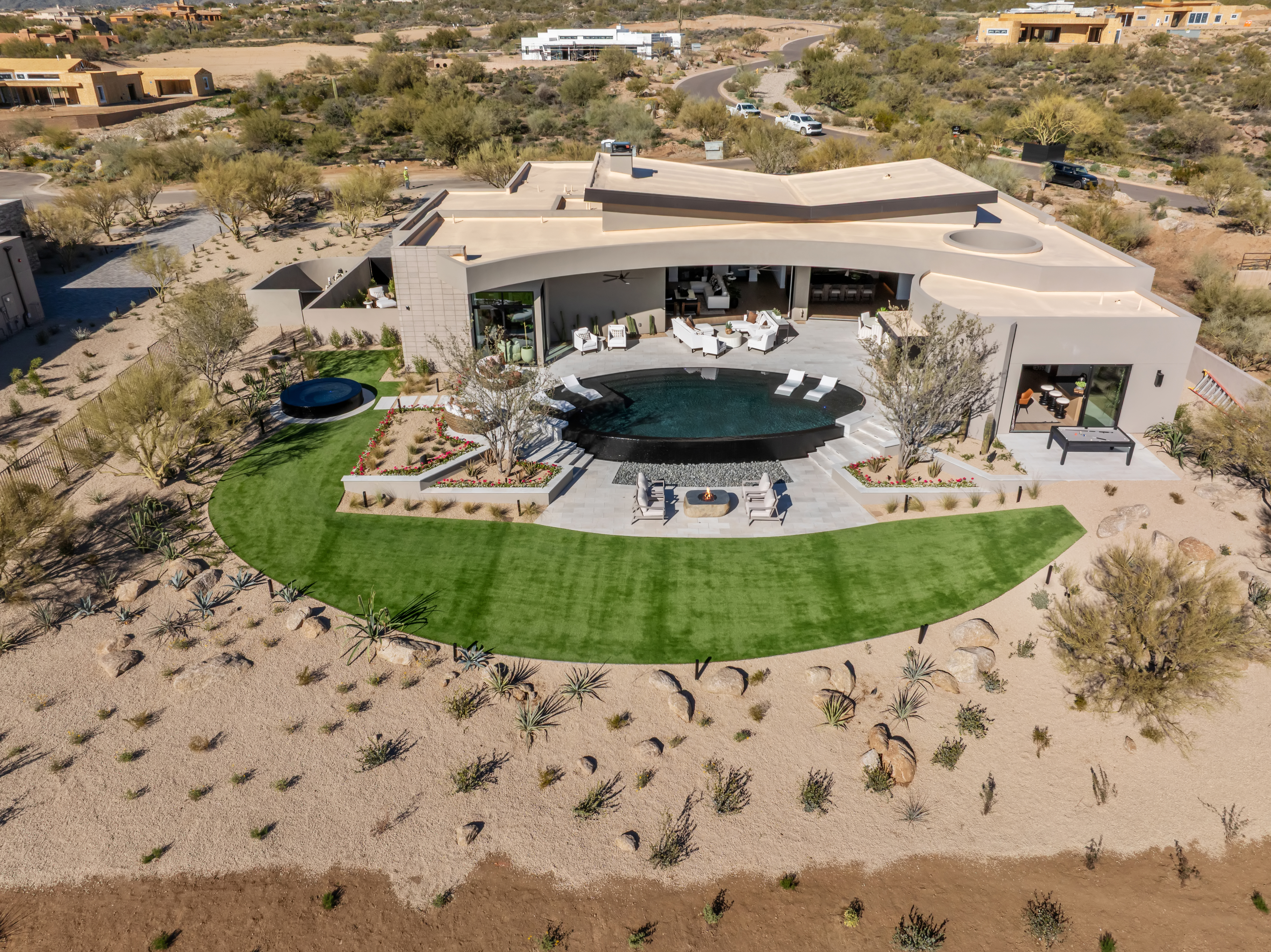


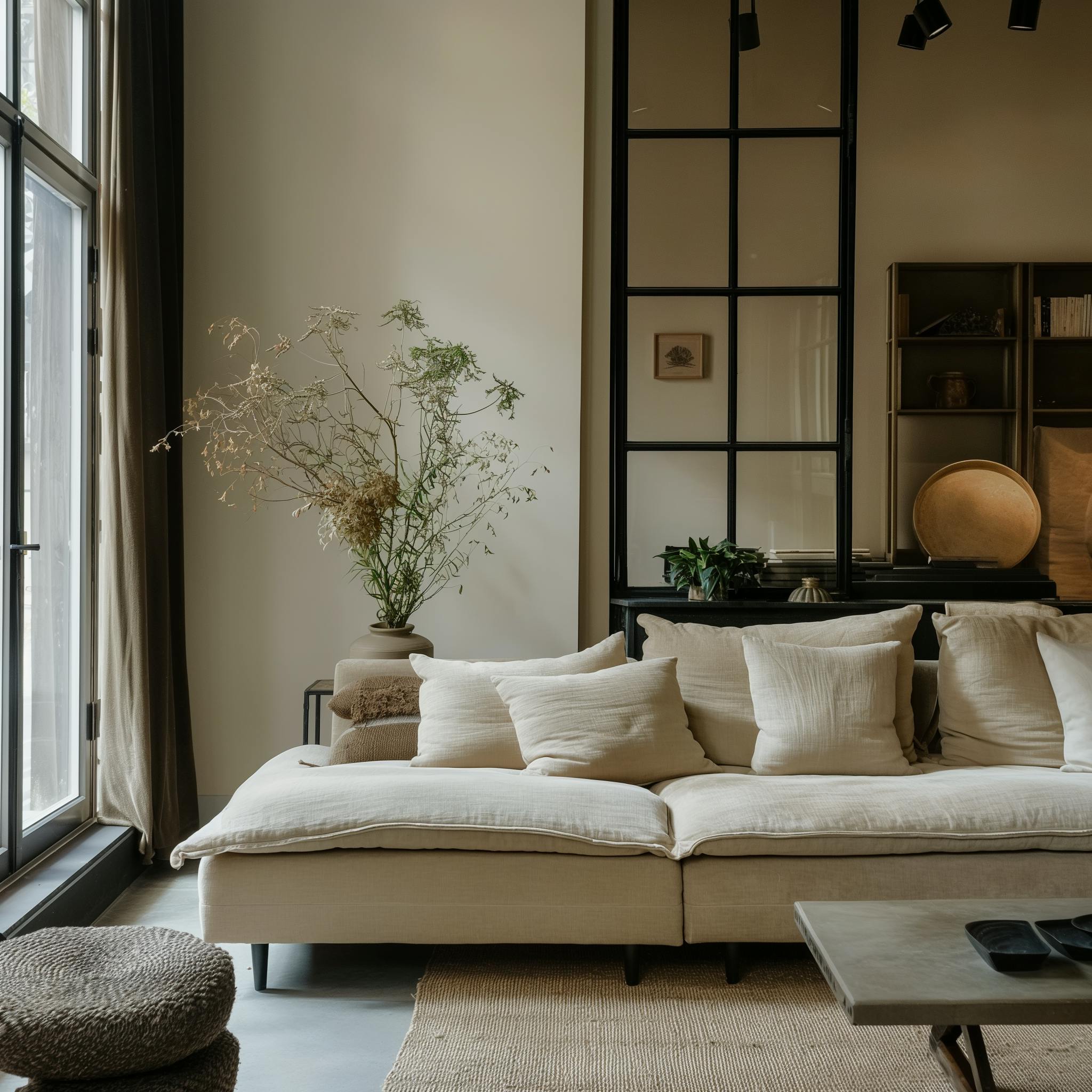
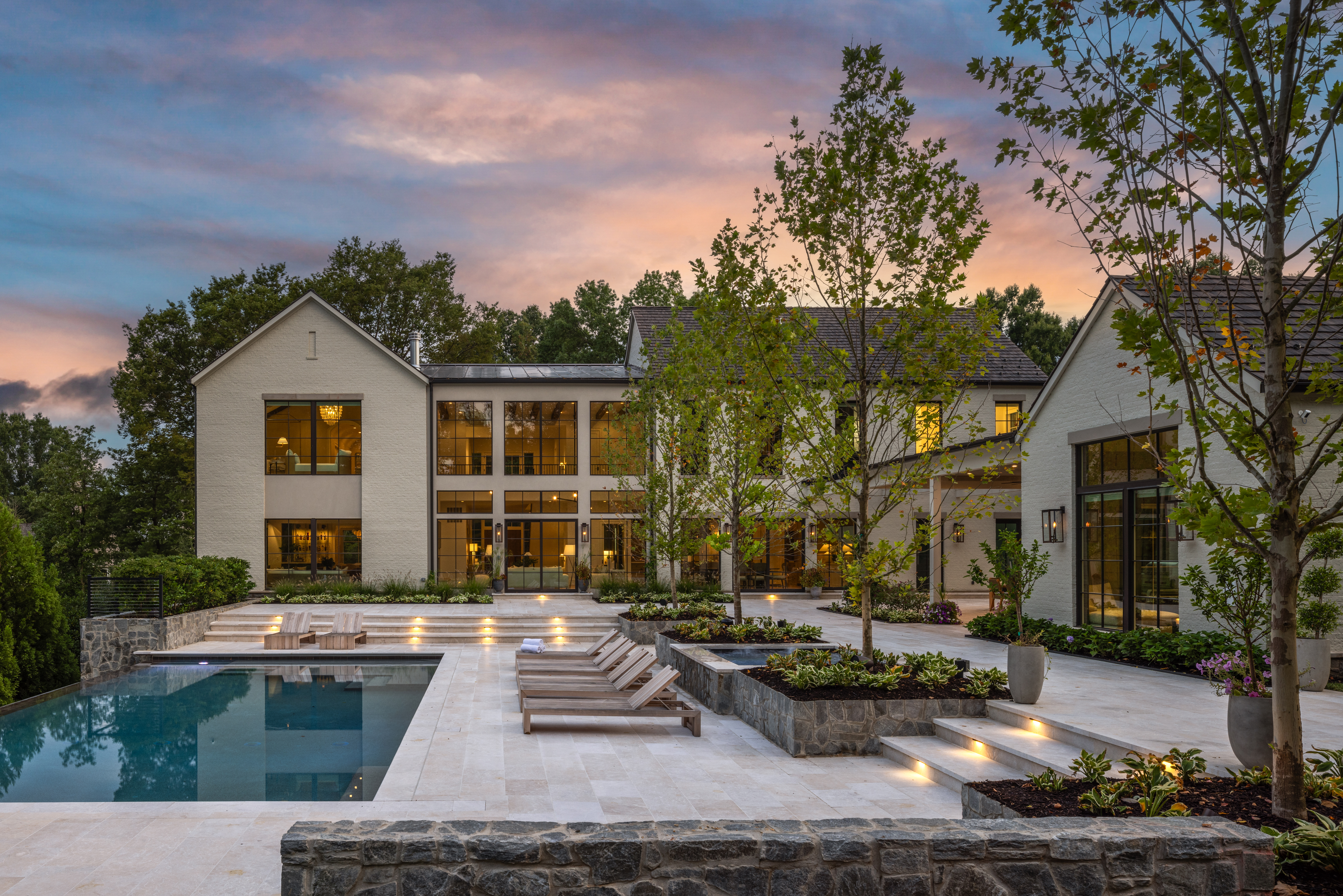
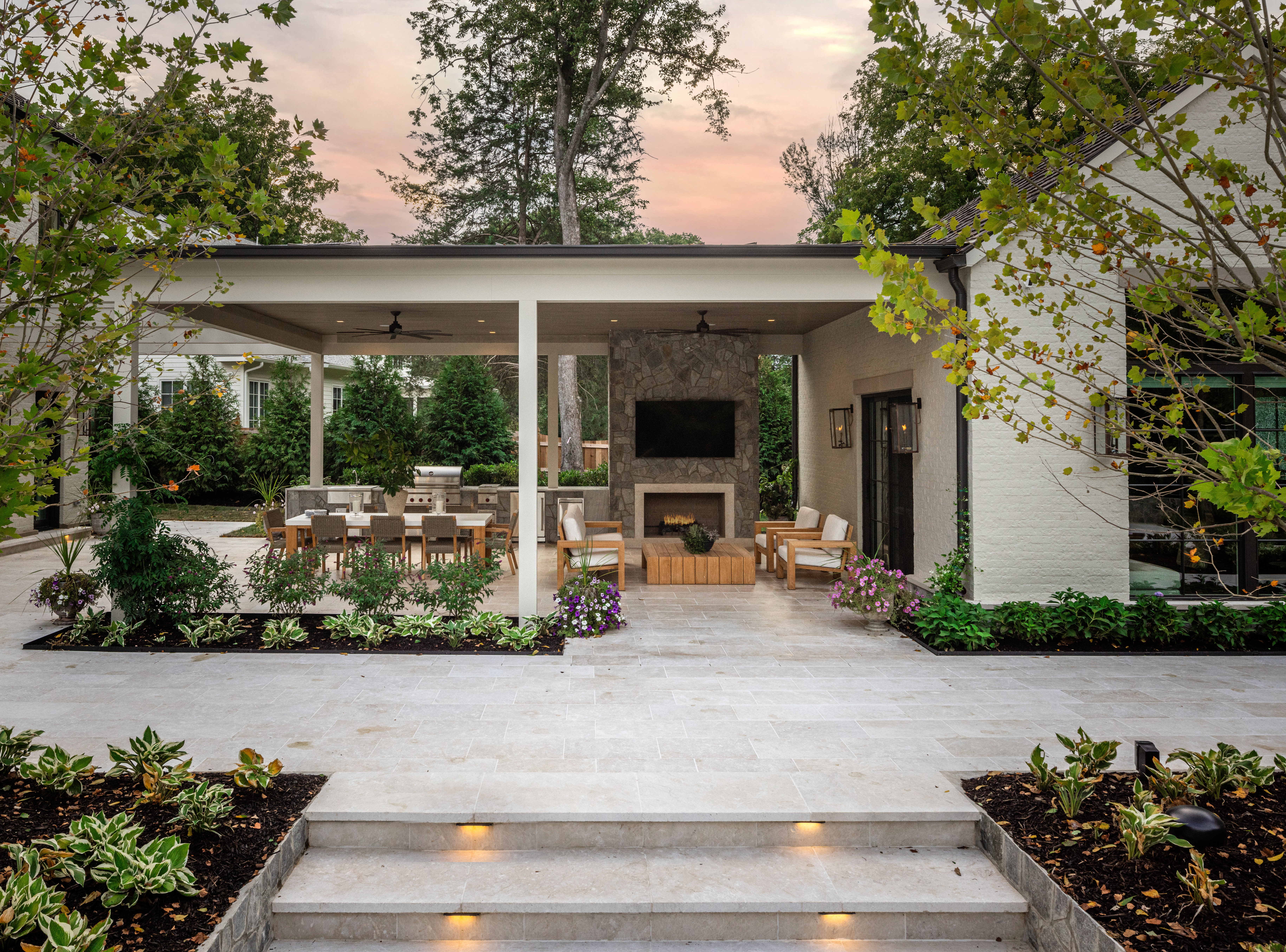
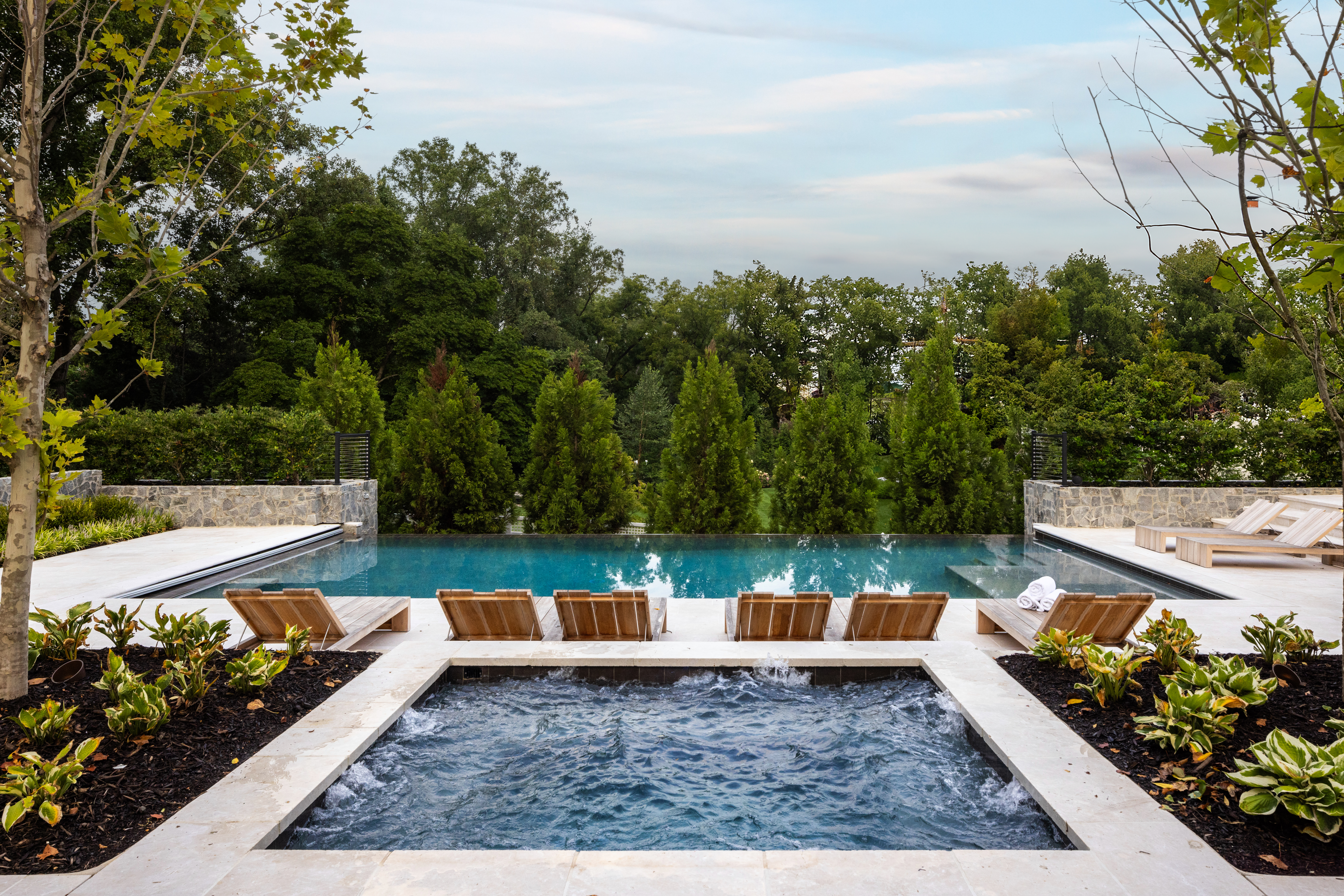
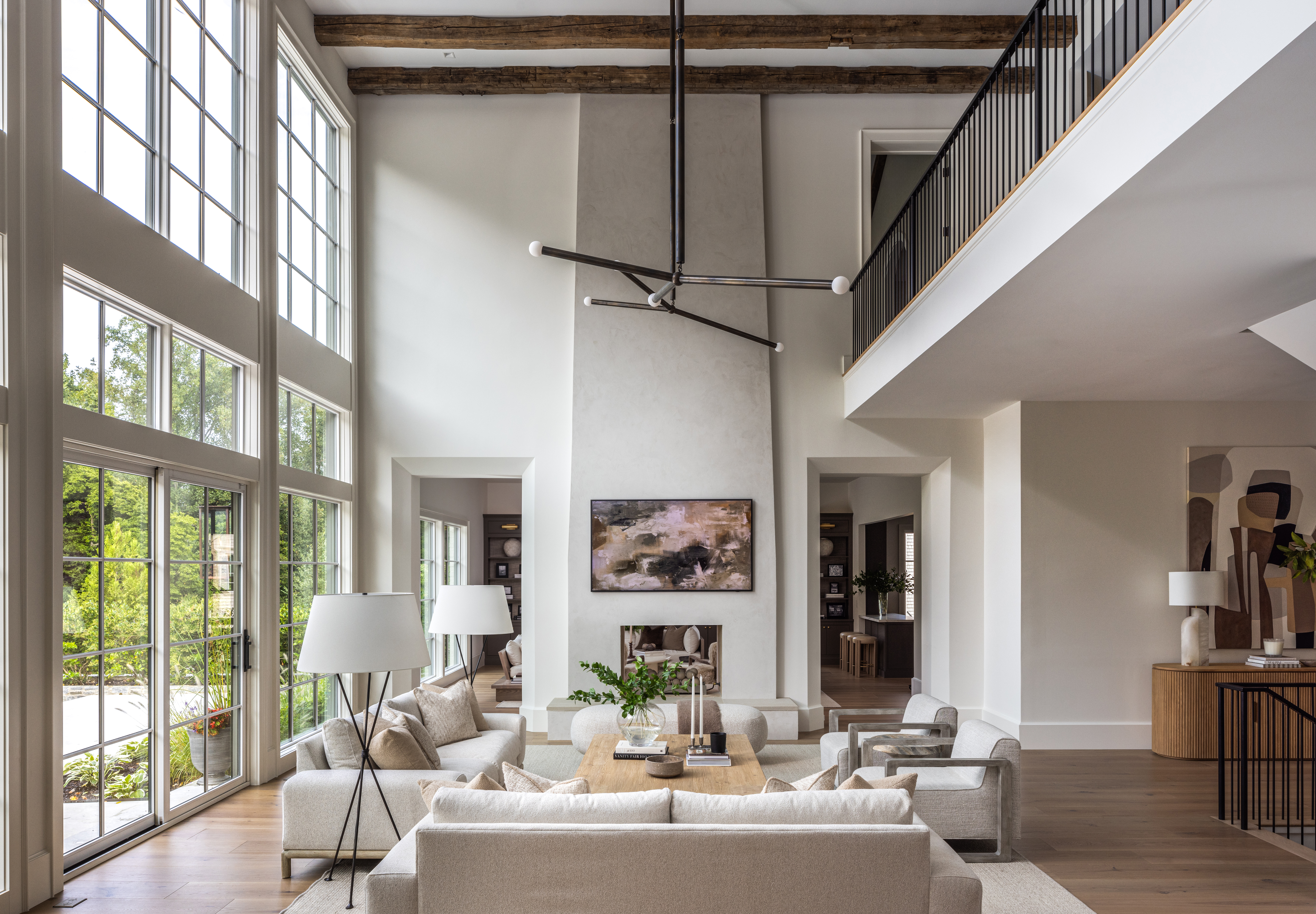






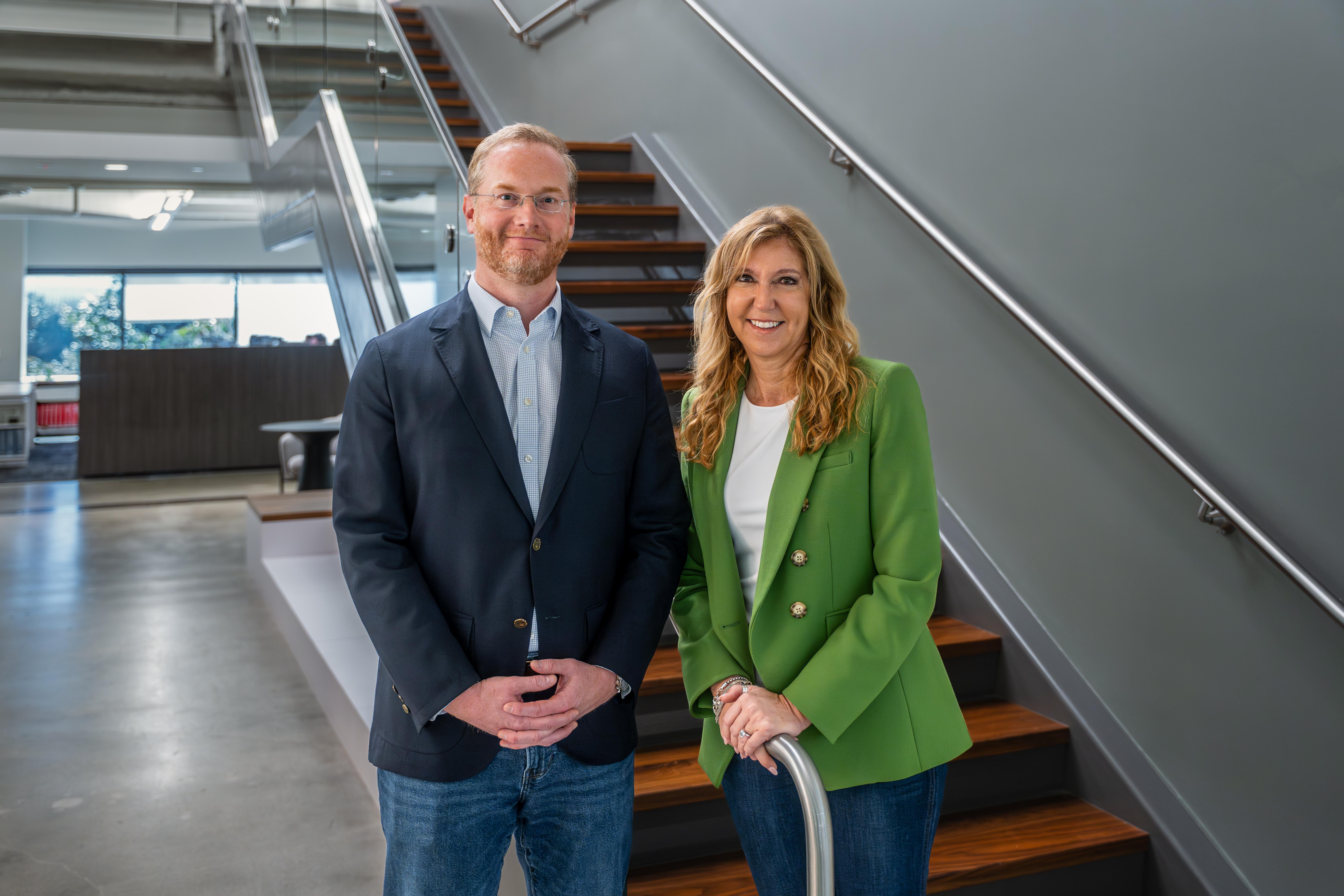
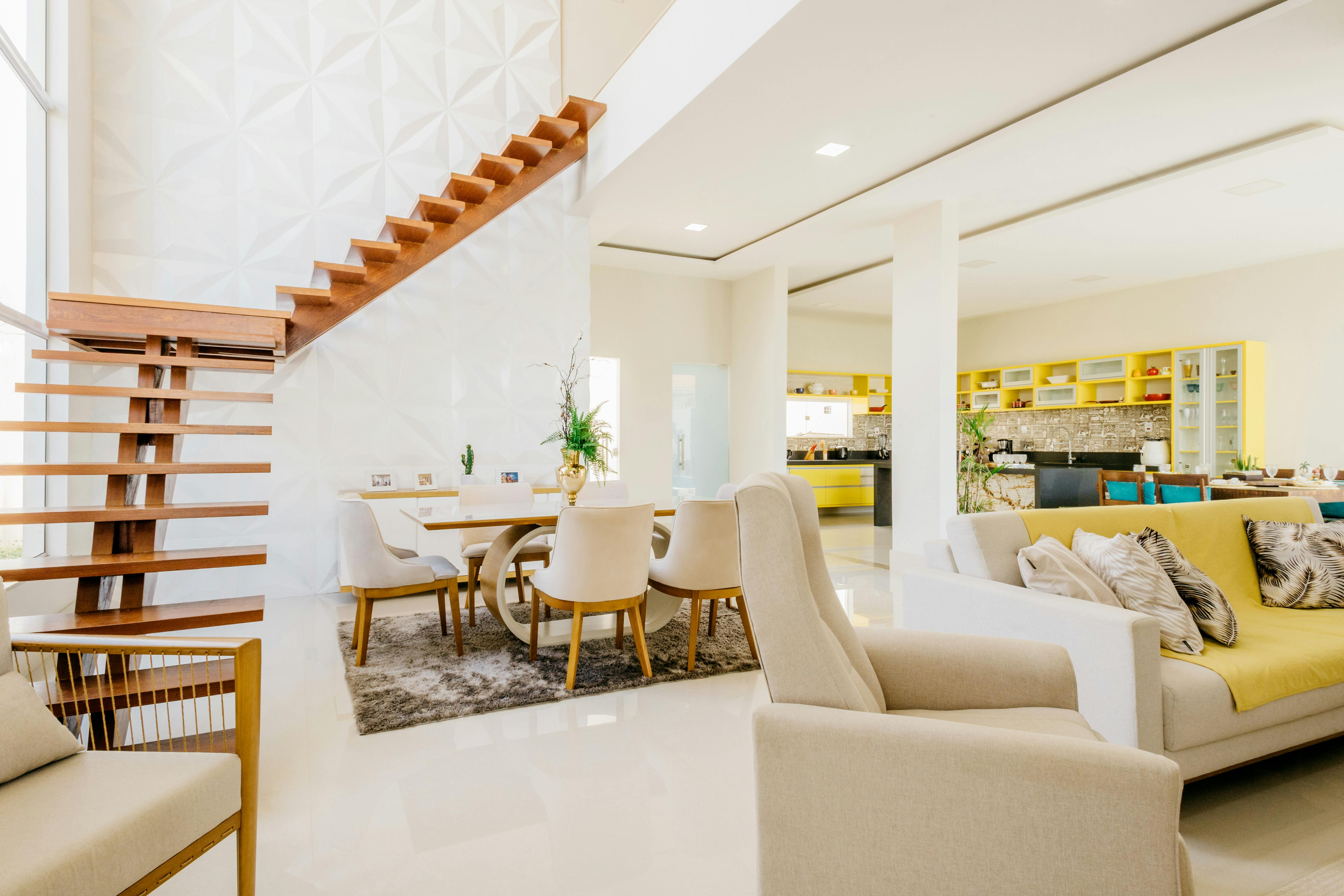
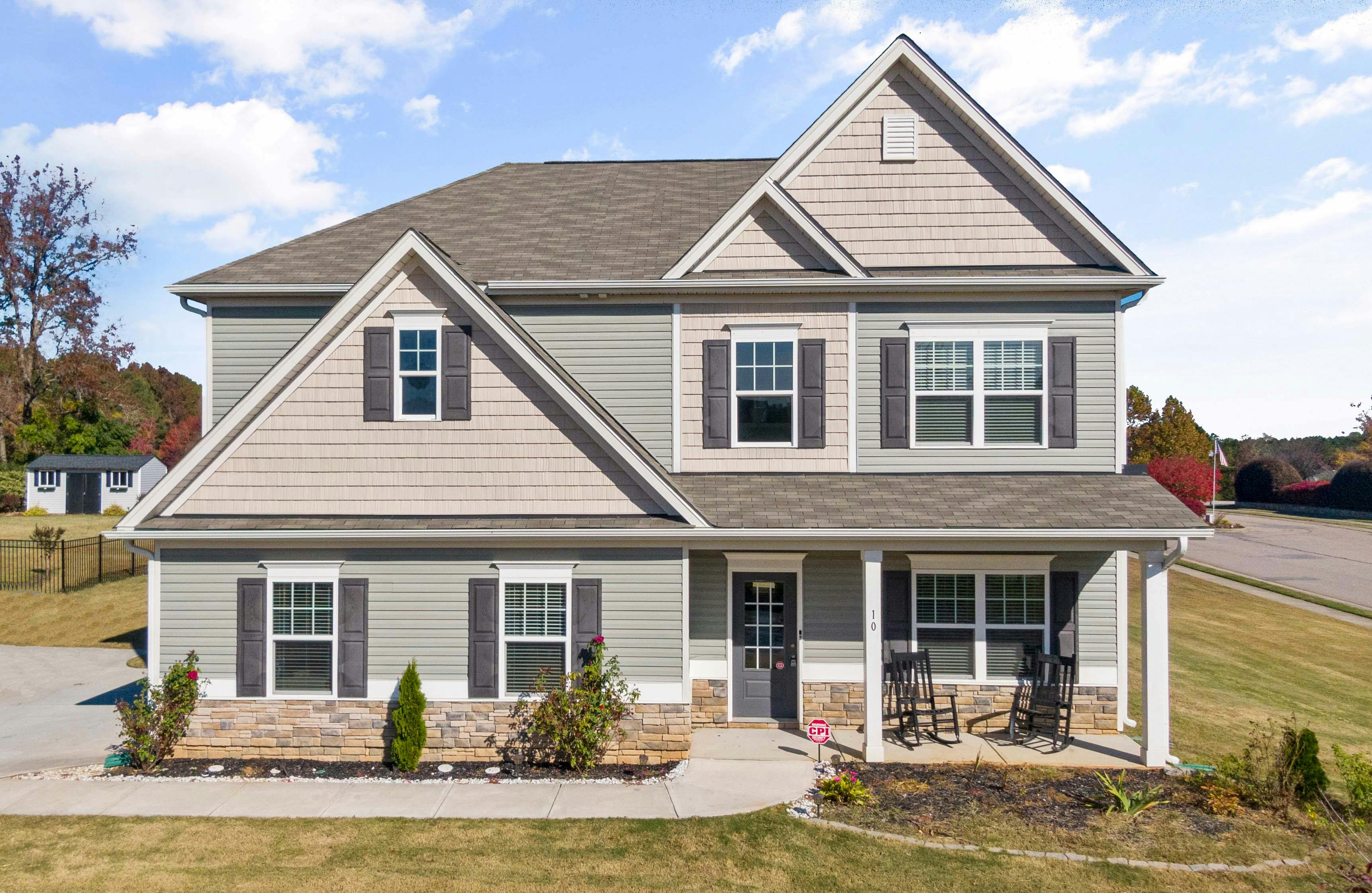


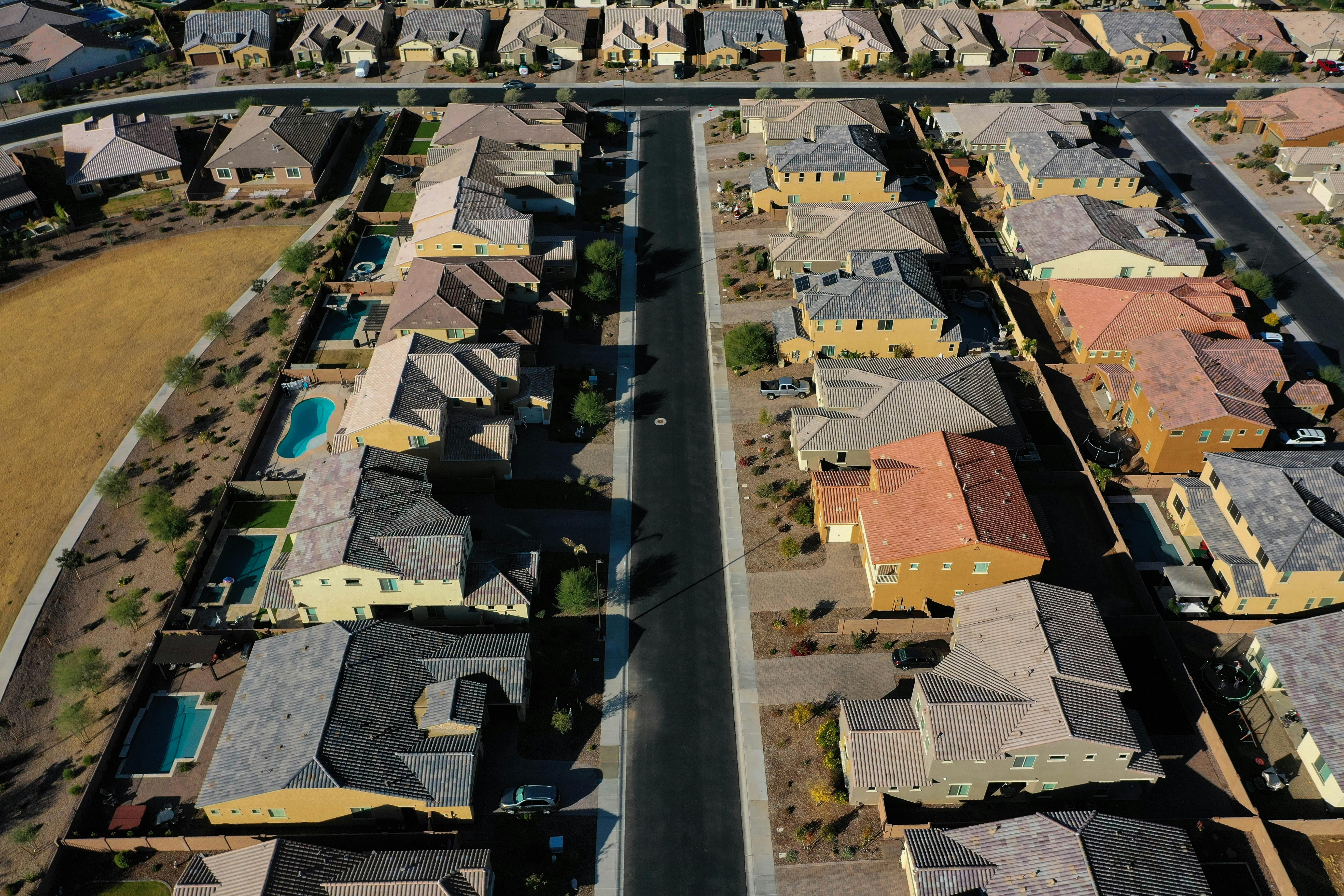
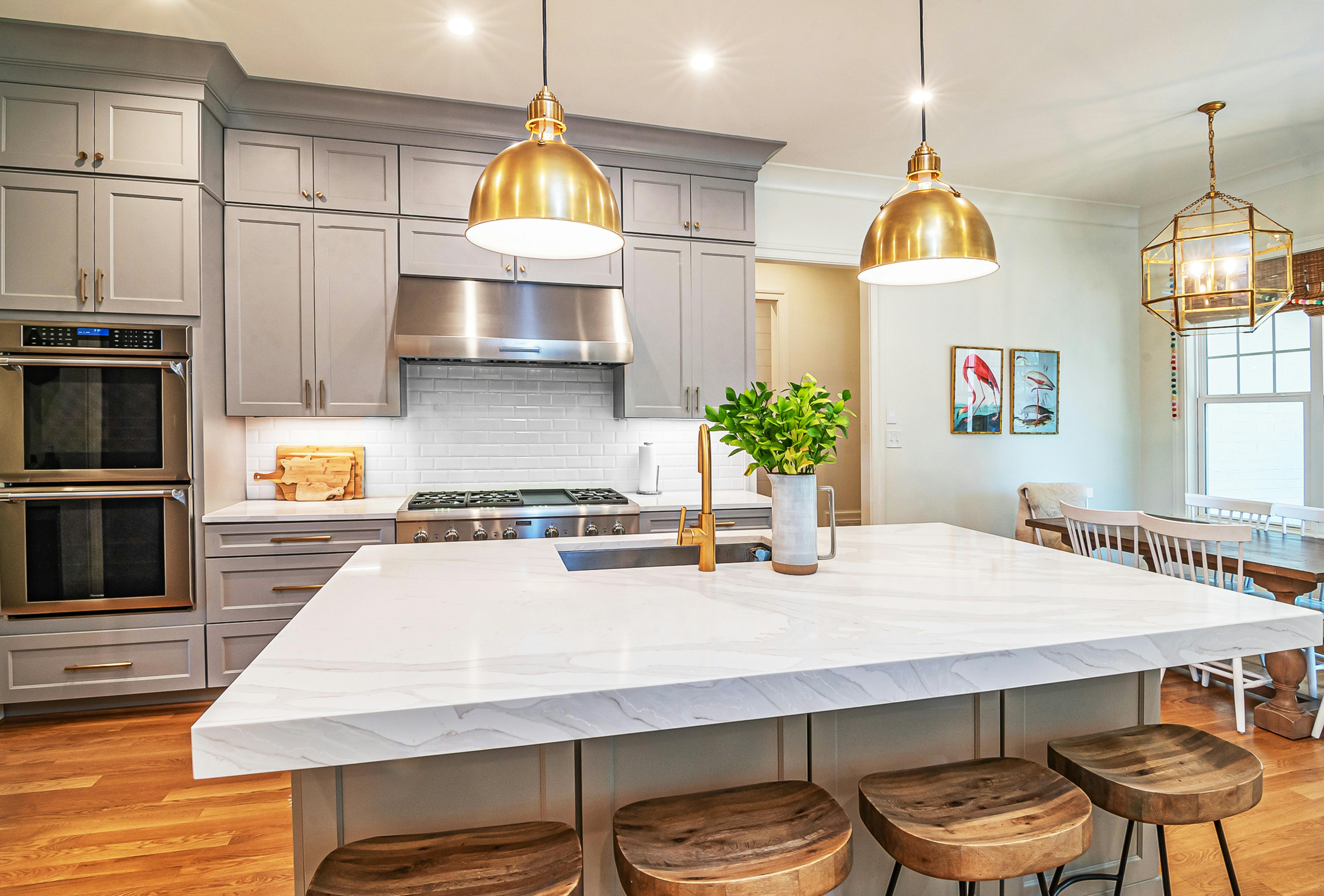
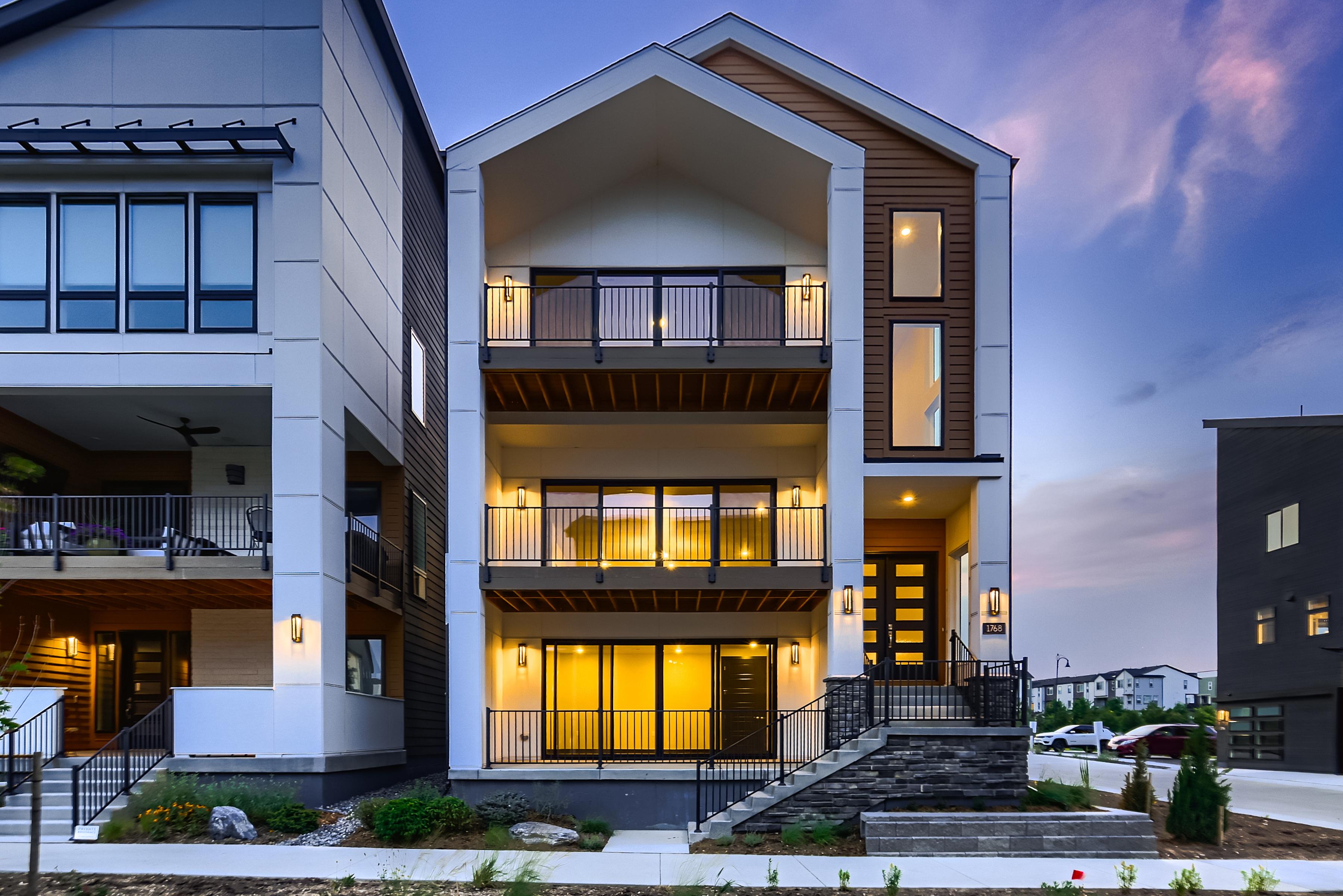
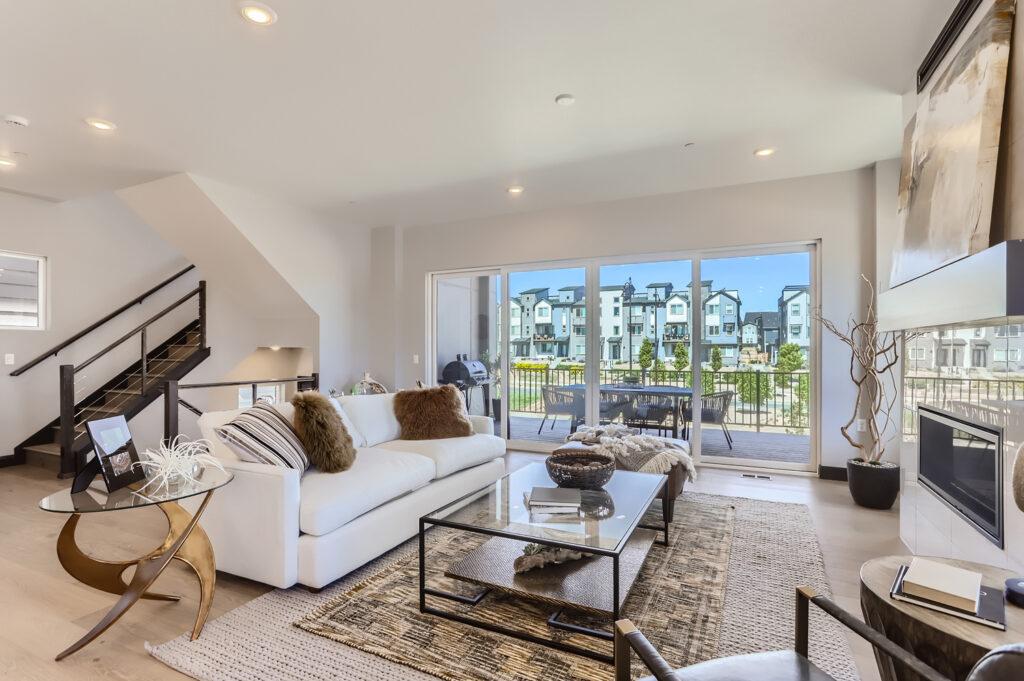
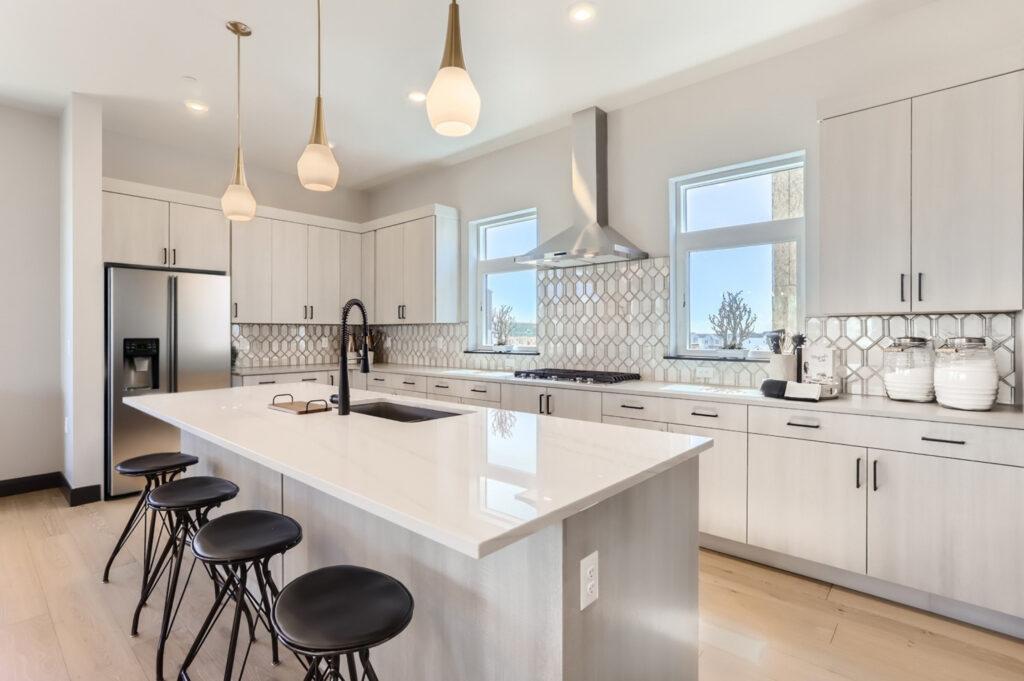
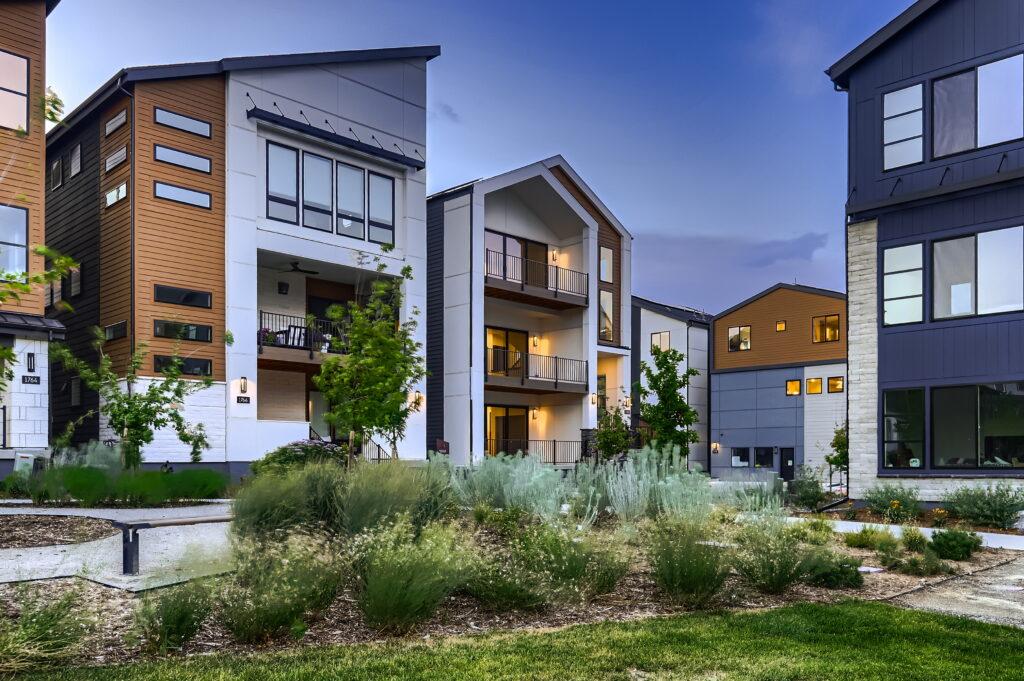
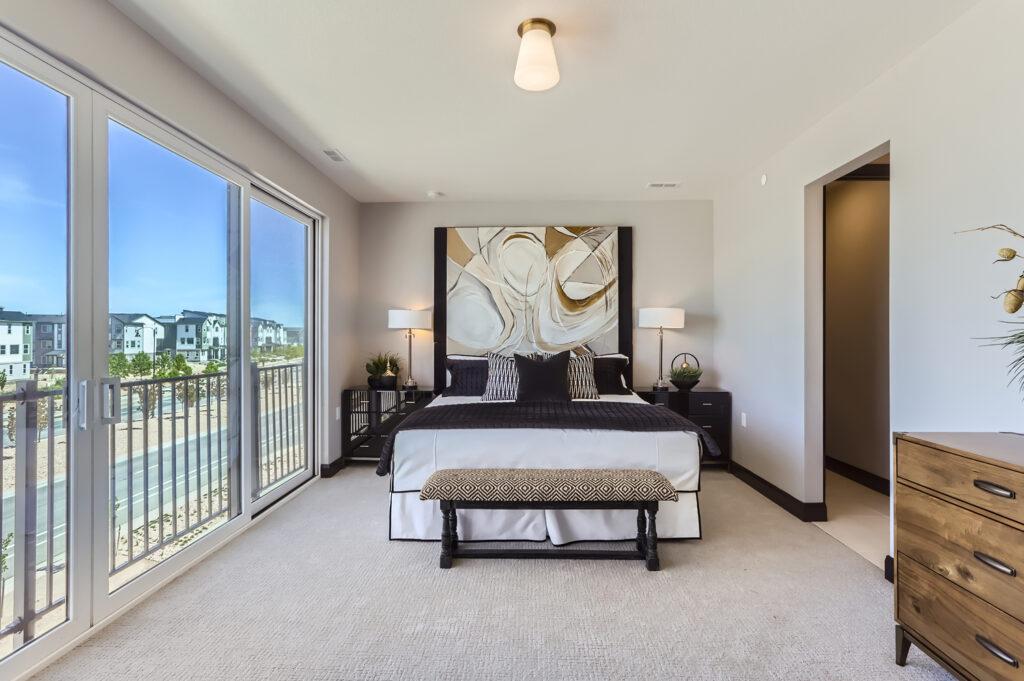
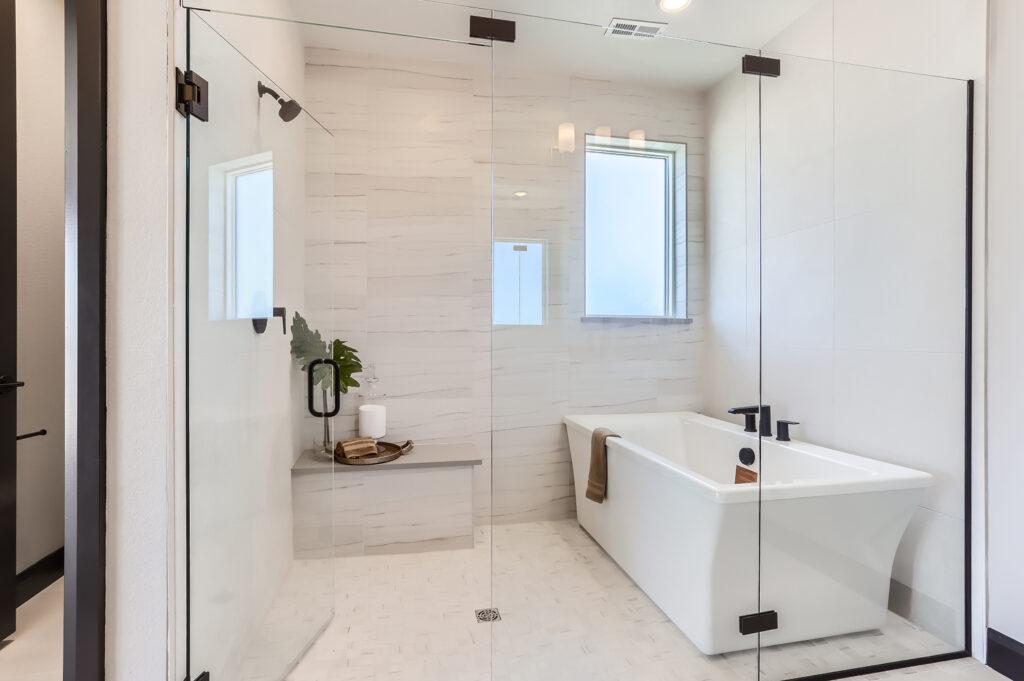
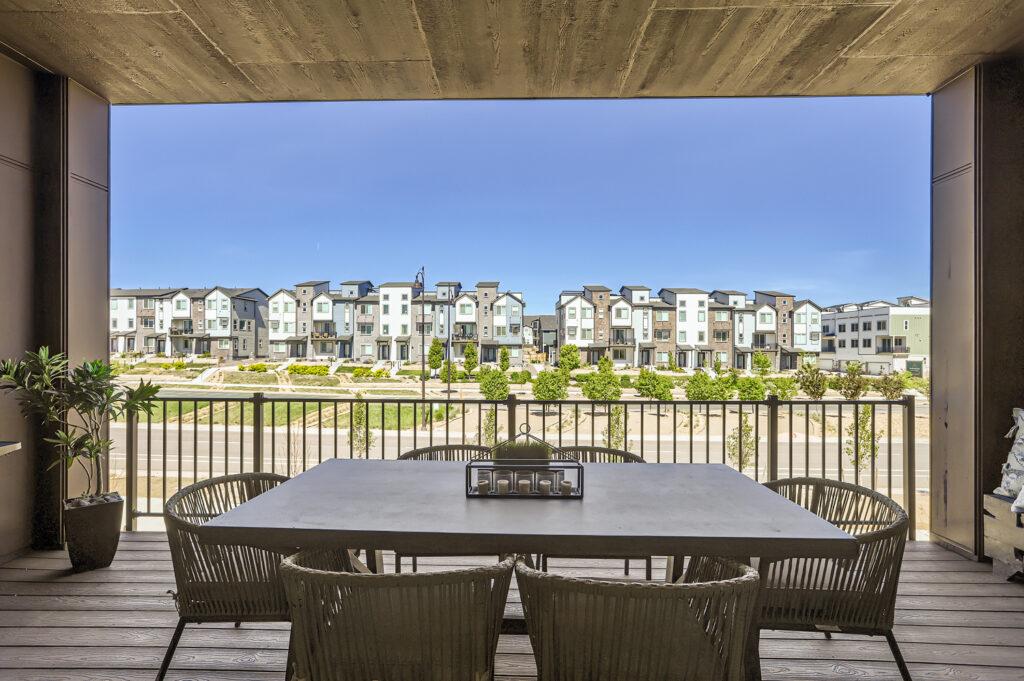
 By Tucker Huey. He is Principal at Osmosis Architecture. He can be reached at