Housing Economy

Latest trends in home design across the nation.

  • Senate confirms new Federal Reserve chair

    Senate confirms new Federal Reserve chair

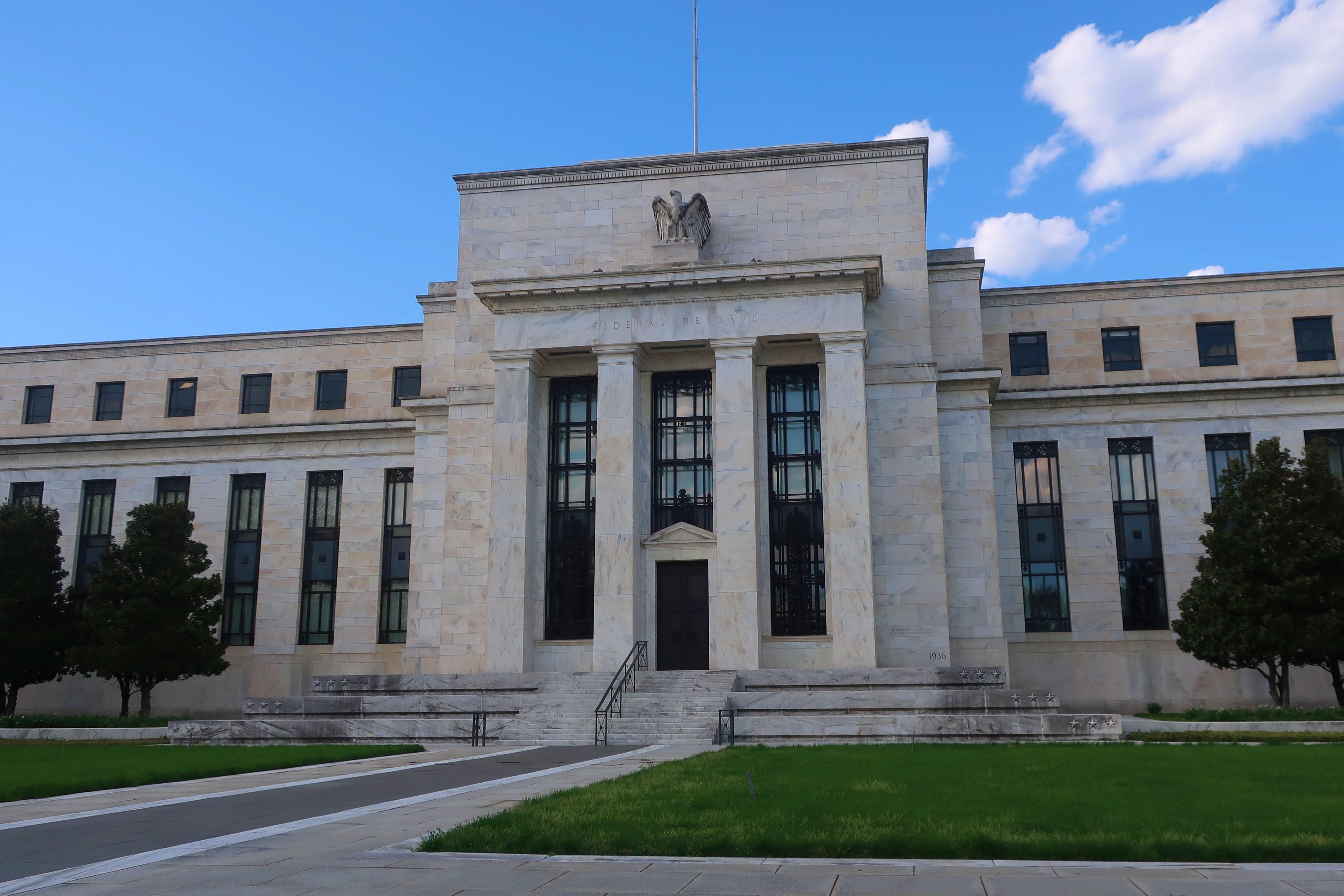
    On May 13, 2026, the U.S. Senate confirmed Kevin Warsh as the next chairman of the Federal Reserve.  The 54-45 vote, mostly along party lines, marks the return of Warsh to the Fed where he previously served on the Board of Governors from 2006 to 2011. Warsh will replace the current chair Jerome Powell, he has led the Federal Reserve since 2018.

    Previous to his new position, Warsh served as the Shepard Family Distinguished Visiting Fellow in Economics at the Hoover Institution at Stanford University. He  was also a lecturer at the Stanford Graduate School of Business. Many housing economists predict the next action from the Fed might be a rate hike instead of a cut.

    “A Warsh-led Fed matters for housing less because of where rates are today and more because of how policy is communicated going forward,” said Cotality Chief Economist Dr. Selma Hepp. “For housing, that likely means fewer sharp policy pivots but a longer period of rate uncertainty. Current assessment is that Warsh could lean modestly more dovish over time — anchored by productivity optimism — offers some hope that policy won’t remain overly restrictive if inflation continues to cool. However, his skepticism of an oversized balance sheet and openness to rethinking Fed communication tools could keep mortgage rates volatile even if the policy rate trends lower. The risk for housing is that affordability remains trapped: rates may ease only gradually while prices stay elevated due to limited supply. The opportunity, if Warsh succeeds in restoring Fed credibility, is a steadier long‑term financing environment that allows builders, lenders and buyers to plan with greater confidence.”

  • Mortgage rates average 6.37%

    Mortgage rates average 6.37%

    On May 7, 2026, Freddie Mac released the results of its Primary Mortgage Market Survey, showing the 30-year fixed-rate mortgage (FRM) averaged 6.37%. This is up from last week, when it averaged 6.30%. A year ago at this time, the 30-year FRM averaged 6.76%.

    “Recent data points to slightly better conditions for buyers with a boost in new-home sales, median new-home prices being down to their lowest level since July 2021, and higher inventory than in recent years,” said Sam Khater, Freddie Mac’s Chief Economist. “Together, these trends could modestly ease affordability pressures through the spring home buying season.”

    The 15-year FRM averaged 5.72%, up from last week when it averaged 5.64%. At the same time last year, the 15-year FRM averaged 5.89%.

    Read More

  • New York’s housing plan delivers record-breaking progress

    New York’s housing plan delivers record-breaking progress

    On May 5, 2026, New York Governor Kathy Hochul announced record-breaking progress toward the state’s five-year housing goal, with more than 22,000 affordable homes created or preserved during Fiscal Year 2025-26. This marks the highest single-year production for Hochul’s five-year housing plan.

    New York State Homes and Community Renewal has financed the creation or preservation of more than 81,000 affordable homes over the first four years of the housing plan, putting the state on track to meet its goal of 100,000 affordable homes ahead of schedule.

    “New York is tackling the housing crisis head-on by building more homes, faster and making our state more affordable for families,” said Hochul. “This record-setting year complements my Let Them Build initiative and shows what’s possible when we combine smart policy with strong investment. We’re going to keep pushing forward to ensure that every New Yorker has access to a safe, affordable place to live.”

    Read More


  • Rise in new home sales sparks life in housing market

    Rise in new home sales sparks life in housing market

    According to newly released data from the U.S. Department of Housing and Urban Development and the U.S. Census Bureau, sales of newly built single-family homes rose 7.4% in March, to a seasonally adjusted annual rate of 682,000 units. The pace of new home sales is up 3.3% from 2025, marking a positive shift in housing market conditions.

    “An uptick in new home sales reflects improving demand conditions, supported by a modest pullback in mortgage rates and ongoing supply constraints in the existing home market,” said NAHB Chairman Bill Owens, a homebuilder and remodeler from Worthington, Ohio. “Builders are gradually increasing production, but elevated construction costs and labor shortages continue to limit the pace of expansion.”

    “Looking ahead, the rise in new home sales points to a modest strengthening in residential construction activity in the near term,” said Danushka Nanayakkara-Skillington, NAHB’s assistant vice president for forecasting and analysis.

    Read More

  • Housing’s share of the GDP falls below 16%

    Housing’s share of the GDP falls below 16%

    According to the most recent GDP estimates from the Bureau of Economic Analysis, Q1 of 2026 recorded housing’s share of the economy at 15.9%. This is reportedly the lowest share since 2019 and it is down .6% from a year ago. Residential Fixed Investment (RFI) was 3.7% of the economy, recording a $1.2 trillion seasonally adjusted annual pace. While the single-family RFI fell 8.2%, the multifamily RFI rose 1.9%.

    “Residential construction, measured by residential fixed investment, fell at its fastest pace in over three years, while household expenditures on housing services continued to remain steady,” said Jess Wade, economist and director of tax and trade policy analysis at the National Association of Homebuilders. “However, the housing share of GDP lagged during the post-Great Recession period due to underbuilding, particularly in the single-family sector.”

    Read More 

  • Montana leads the nation in increasing housing supply

    Montana leads the nation in increasing housing supply

    On April 29, 2026, Montana Governor Greg Gianforte announced that a new report from the National Association of Home Builders revealed Montana is leading the nation as the state with the highest year-over-year increase in single-family home permits. Gains in the housing supply ranged from 25.5% in Montana to 0.4% in Washington.

    “In Montana, we are seeing the results of our work to increase the supply of affordable, attainable housing,” said Gianforte. “By streamlining local government permitting, homebuilders are able to more quickly respond to the demands of our growing communities.”

    Read More

  • Mortgage rates average 6.30%

    Mortgage rates average 6.30%

    On April 30, 2026, Freddie Mac released the results of its Primary Mortgage Market Survey, showing the 30-year fixed-rate mortgage (FRM) averaged 6.30%, up from last week’s average of 6.23%. In April 2025, the 30-year FRM averaged 6.76%.

    “As rates had modestly declined the last few weeks, purchase demand has accelerated with purchase applications rising to over 20% above a year ago,” said Sam Khater, Freddie Mac’s Chief Economist. “It is clear that purchase demand continues to hold up as prospective buyers react to both modestly lower rates and more inventory to choose from than the last few years.”

    Read More

  • Homebuying demand rises as mortgage rates decrease

    Homebuying demand rises as mortgage rates decrease

    U.S. pending home sales rose 2.7% year-over-year in April 2026, the biggest increase in six weeks, while mortgage-purchase applications have risen to their highest level in three months. Additionally, the weekly average mortgage rate has dropped to 6.23% from a seven-month high of 6.46% at the start of April, pushing the median monthly housing payment down 2.2% year-over-year.

    New listings rose 2.2% year-over-year, the second week of increases after five consecutive months of declines.

    “Even though more buyers are coming off the sidelines, some are still wondering if they should wait for mortgage rates to fall more before making a move. I tell them no…make an offer,” said Sue Dhillon, a Redfin Premier agent in Seattle. “It is a buyer’s market, but there is competition for desirable homes in popular neighborhoods.”

    Read More

  • Homebuilding shows signs of stabilization

    Homebuilding shows signs of stabilization

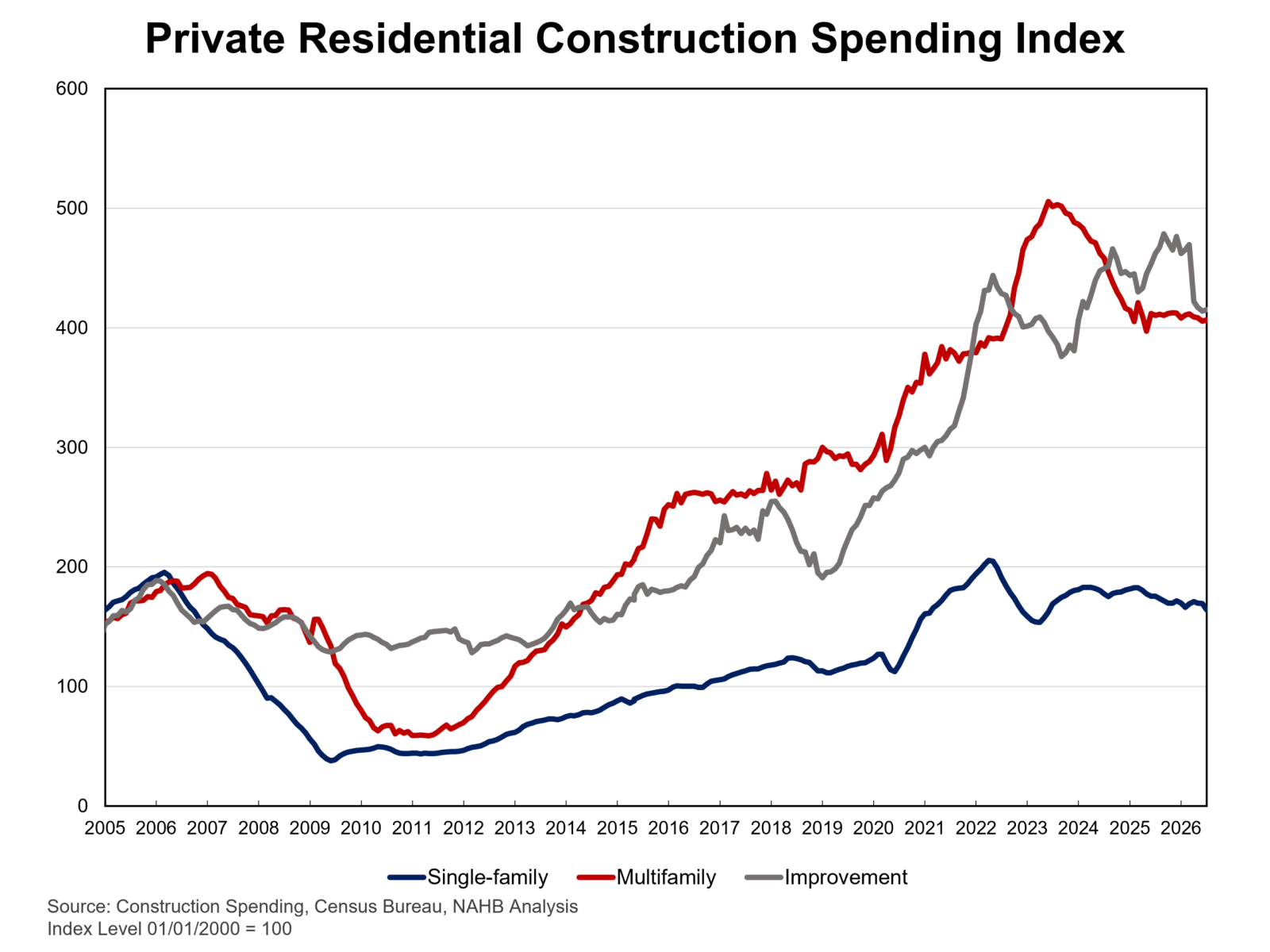
    Housing construction activity strengthened in March, with a notable rebound in both single-family and multifamily starts, signaling improved builder activity despite ongoing headwinds from financing costs and affordability constraints. According to a report from the U.S. Department of Housing and Urban Development and the U.S. Census Bureau, overall housing starts increased 10.8% in March to a seasonally adjusted annual rate of 1.5 million units.

    While the monthly gain points to renewed momentum, year-to-date trends remain mixed, particularly in the single-family sector, while permit activity suggests some caution moving forward. Within the total, single-family starts increased 9.7% to a seasonally adjusted annual rate of 1.03 million units and are up 8.9% compared to March 2025.

    Read More

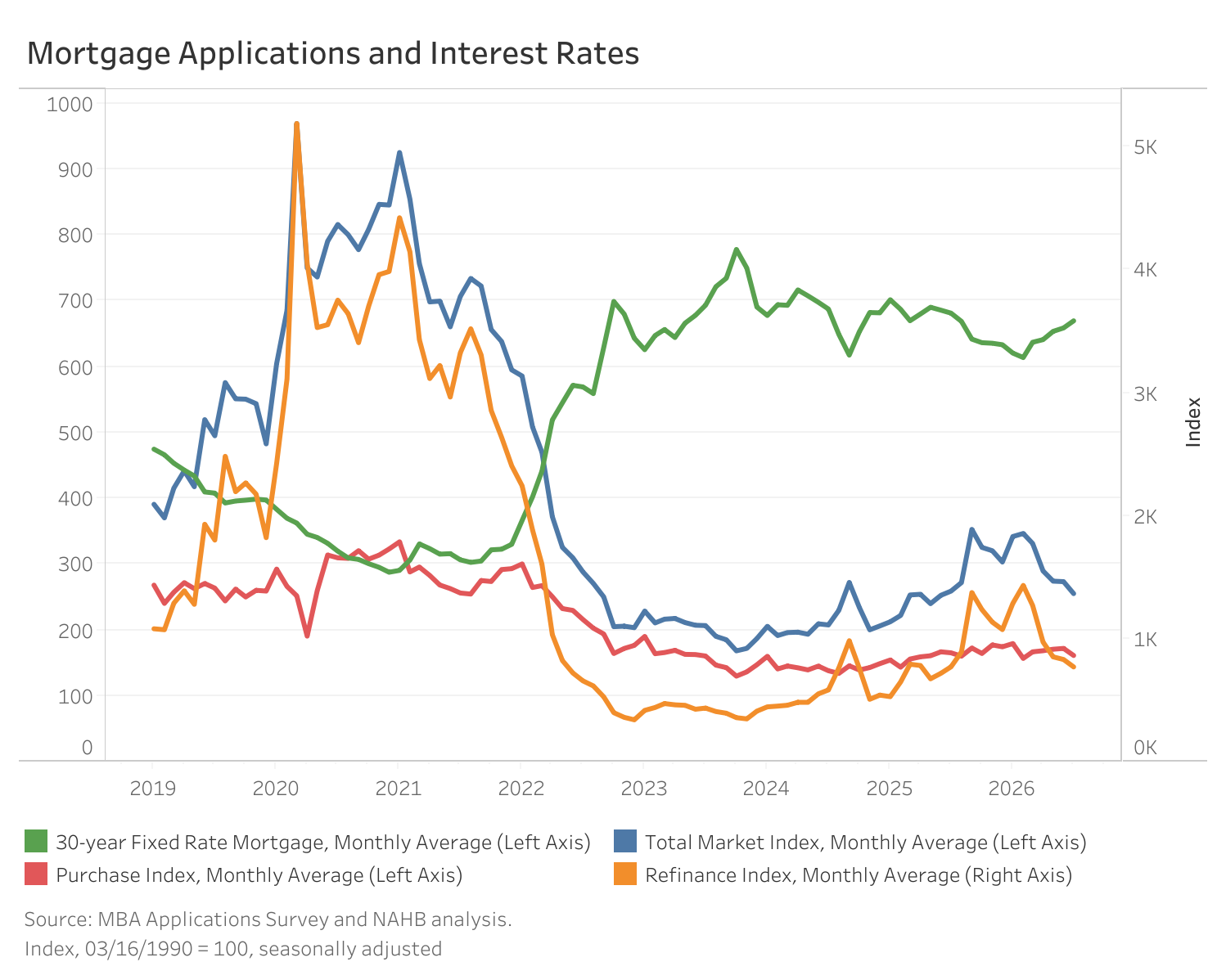
    Graph credit: NAHB


  • Cotality reports national home price insights

    Cotality reports national home price insights

    Heading into the spring homebuying season, annual price appreciation slowed to a marginal 0.5% in February 2026. This signals that the U.S. housing market has collided with an affordability ceiling. While this price growth indicates a market at a standstill, it hides a massive internal rebalancing as different regions and property types move in opposite directions. The current housing market is defined by a sharp divide in performance, both nationally and within specific regions.

    “These diverse trends indicate an ongoing process of price discovery—one where sales and comparisons remain limited—and underscore a market that is rebalancing locally rather than correcting nationally,” said Cotality Chief Economist Dr. Selma Hepp.

    Hepp added that the decrease in mortgage rates before the spring buying season raised hopes for a rebound in home prices and sales in 2026, but that the recent surge in rates has shifted those hopes to a broader recovery in 2026.

    Read More

  • NAHB releases population growth and housing supply data

    NAHB releases population growth and housing supply data

    According to the latest Vintage 2025 population estimates from the U.S. Census Bureau, the U.S. population growth slowed notably, with the nation expanding by just 0.5% in 2025. This was roughly half the pace of the prior year. The deceleration was primarily driven by a sharp decline in net international migration, which dropped from 2.7 million to 1.3 million, while natural change remained relatively stable.

    Population gains remained concentrated in the South and parts of the West, while many areas in the Midwest and Northeast experienced slower growth or population declines.

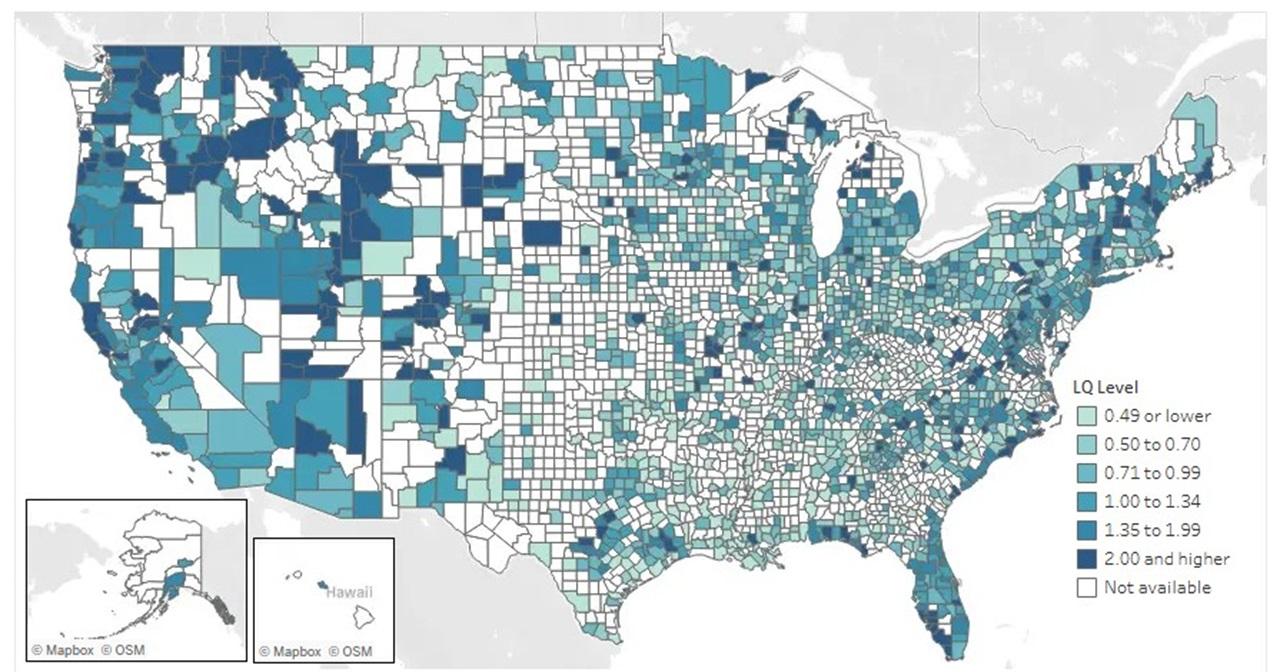
    At the county level, population growth slowed across much of the country. Among the nation’s 3,143 counties and the District of Columbia, the majority experienced decelerating population gains in 2025. Net Domestic Migration has become the most visible driver of county-level divergence. Population flows continue to shift away from the largest and most expensive counties toward smaller and less densely populated areas.

    Across metropolitan areas, the relationship between population growth and single-family building permits is both positive and statistically strong. With an R² of 0.6248, population change alone explains roughly 62% of the variation in permit activity, reinforcing the role of demographic growth as a primary driver of housing supply.

    Read More

  • Colorado’s housing market finds balance in first quarter

    Colorado’s housing market finds balance in first quarter

    According to the latest Market Trends Housing Report from the Colorado Association of REALTORS, housing markets across Denver, as well as statewide, showed signs of finding balance in the first quarter of 2026. This included modest gains in pending and closed sales, stable median home pricing and an uptick in inventory, creating a more homebuyer-friendly environment heading into the full spring season.

    In Colorado’s full statewide market performance, there were 12,803 new home listings in March with 9,541 pending sales, up 7.2% from a year prior, as well as 7,463 sold listings, up 2.7% from March 2025.

    Read More 

  • Spring demand improves affordability and boosts house price growth

    Spring demand improves affordability and boosts house price growth

    On April 16, 2026, First American Data & Analytics, a leading national provider of property-centric information, risk management and valuation solutions and a division of First American Financial Corporation, released its March 2026 Home Price Index (HPI) report. The HPI report found that improving affordability and emerging spring demand may boost house price growth nationally.

    House price growth reported in last month’s HPI for January 2026 to February 2026 was revised up by +0.17 percentage point, from -0.02 percent to +0.15 percent.

    The report tracks home price changes less than four weeks behind real time at the national, state and metropolitan levels, and includes metropolitan price tiers that segment sale transactions into starter, mid-level and luxury tiers.

    Read More

  • New economic report proposes housing shortage solution

    New economic report proposes housing shortage solution

    The annual Economic Report of the President was released on April 10, 2026 and estimated that the United States has a shortage of 10 million houses. The housing chapter of the annual economic report proposed that reducing various regulations on residential construction could help spur the construction of as many as 13.2 million homes.

    That could add, on average, 1.3 percentage points to annual economic growth over the next decade, as well as support 2 million manufacturing and construction jobs. The housing chapter of the annual report also lays out a blueprint for how more home construction would help the middle class and the overall economy.

    Read More

  • Housing Affordability Reaches Best Level Since January 2022
    ,

    Housing Affordability Reaches Best Level Since January 2022

    Housing affordability began the year on its strongest footing since August 2022. In January 2026, the First American Data & Analytics Real House Price Index (RHPI) showed housing affordability improved nearly 11% compared with 2025. The improvement in affordability reflects a favorable combination of factors: Mortgage rates were 0.9 percentage points lower than a year ago, nominal house price growth nationally slowed to 0.6% and household income increased by 3.1%.

    While affordability remains more than 60& below its pre-pandemic five-year average, the recent progress offers a meaningful reprieve for prospective homebuyers. However, the strength of affordability gains varies across markets. For example, Cape Coral, Fla., stands out as the most improved among the top 100 markets, with affordability up more than 17% year-over-year.

    Read More


  • Cotality reports softer home price growth

    Cotality reports softer home price growth

    According to the S&P Cotality Case-Shiller Home Price Index, the leading measure of U.S. residential real estate prices, the beginning of 2026 is off to a colder start than predicted. Home price growth in January dipped to 0.9%, a 0.11% decrease for the month, a significant drop from the typical 0.03% seasonal dip reported in years before.

    “We are in a period of low sales and price growth that mirrors the disconnect between incomes and home prices seen during 20th century recessions,” said Thom Malone, Principal Economist at Cotality. “This time, however, the dynamics are reversed: rather than an economic collapse, a housing surge is waiting for the rest of the economy to catch up. While the 2026 spring homebuying season may spark some momentum, the most likely outcome is modest price growth as buyers and sellers remain at a standoff.”

    Graphic Credit: Cotality

    Read More

  • Timber sales largely unaffected by war in Iran

    Timber sales largely unaffected by war in Iran

    Impacts of the war in Iran on the timber industry will likely be minimal indicated by professionals in the industry. Matthew Pelkki, professor of Forestry at the University of Arkansas at Monticello and director of the Arkansas Center for Forest Business reported Arkansaw specifically exports about 17 %  of its production of wood out of state. Overall exports to the Middle East and North Africa are a minor percentage, he expects the effects of this event on the hardwood sawmills and forest landowners to be minimal. According to the U.S. Department of Agriculture’s Foreign Agricultural Service, the U.S. exports $8.75 billion of wood products in 2025, a number that is not slowing down.

    “As far as internationally, our largest customer for Arkansas wood products is Mexico,” said Pelkki. “We do ship some hardwoods to the European Union, primarily Germany, and a lot of wood pellets to the United Kingdom.”

    Read More

  • 2025 New and Resale Outlook of Single-family Home Prices

    2025 New and Resale Outlook of Single-family Home Prices

    In the fourth quarter of 2025, the median price for a new single-family home was $405,300, which was $9,600 lower than the median price of an existing home. The existing single-family home price stood at $414,900. According to the U.S. Census Bureau and the National Association of Realtors data, this marks the third consecutive quarter for which existing home prices have exceeded new home prices.

    Usually, new homes carry a price premium over existing homes. From 2010 to 2019, this pattern held steady, with an average difference of $66,000. However, from 2020 to 2025, the gap has narrowed significantly, averaging just $23,300.

    Read More