




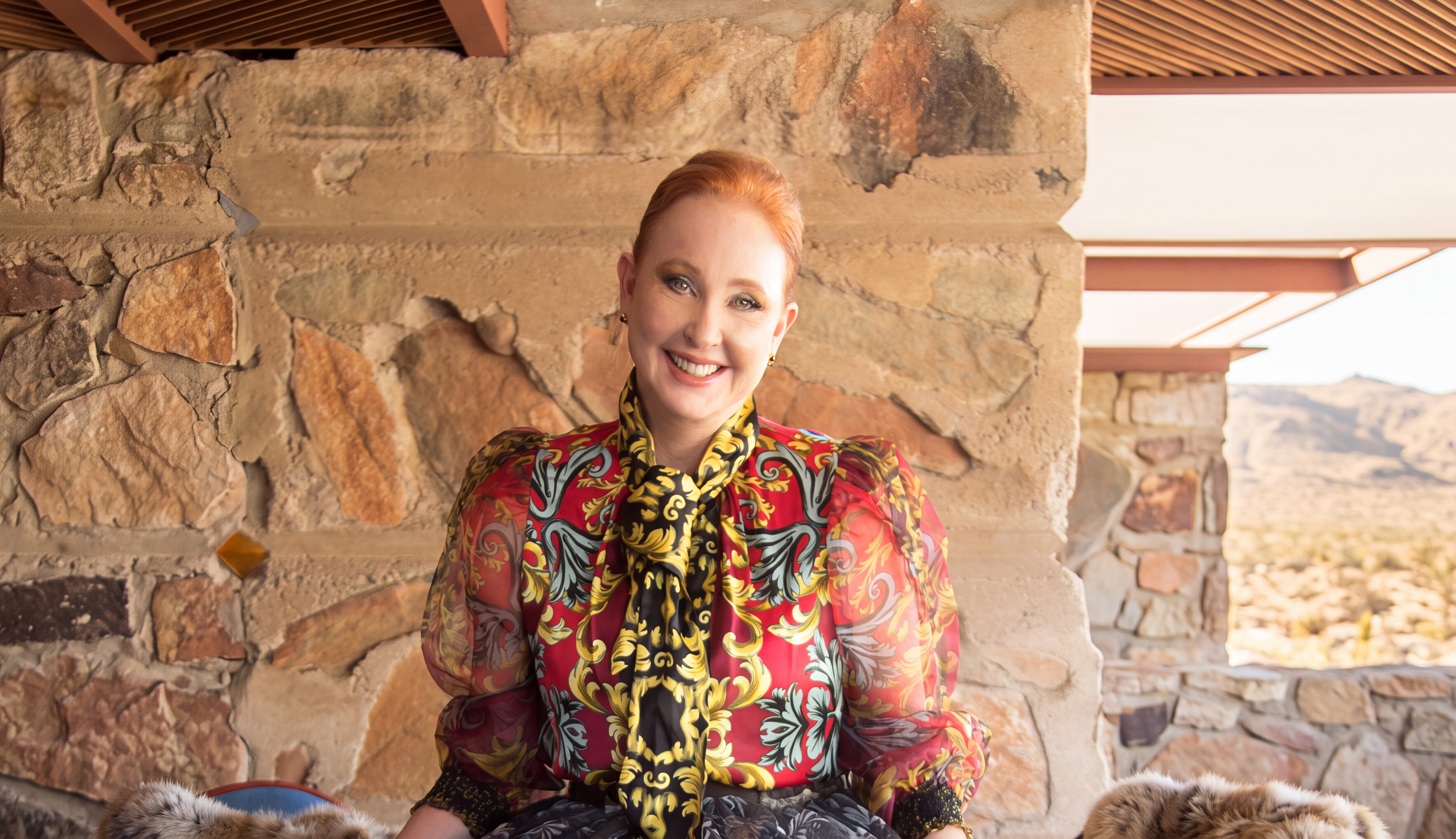







Understanding the role interior designers play behind the scenes
For me, luxury and functionality are inseparable. It does not make sense to design something beautiful if it does not support the way a person actually lives.
Before I ever think about the aesthetics, I think about the problem: What needs to be solved? How does the client move through the space? What will make their life more comfortable, efficient and meaningful?
True luxury is not decoration; it is when a home works so beautifully that the client feels completely supported by it. Function comes first, then we design beautifully around it.
The best spaces are not simply visual. They function effortlessly, solve problems quietly and elevate everyday living.
I have always believed that nothing is impossible. In design, the real question is not whether something can be done; it is how creatively and intelligently we are willing to think in order to make it happen. That is why I see my role as much more than a designer. I have to think like an architect, a builder, a problem solver, a strategist and an advocate for the client.
A home should feel like the client’s own private destination: a place that restores them, welcomes their guests and reflects the life they want to live. Many luxury clients have multiple homes and spend significant time traveling, often searching for that sense of escape they experience in extraordinary destinations.
People plan for years to experience exceptional places. I believe they should be able to live inside that feeling every day.
The most memorable spaces combine comfort, beauty, service, emotion and functionality into something greater than the sum of their parts. That philosophy continues to shape every residence I design.
At the core of my design philosophy is respect: respect for the architecture, the land, the composition, the client and the way a space must live over time.
Great design is not simply about what looks beautiful today. It is about how something is built, how it performs and how it makes people feel years from now. A truly great building should be beautiful even before anything is placed inside it. The interior should not compete with the architecture; it should enhance it and complete it.
Design must also be deeply human. You have to study the people who will live, work and gather within a space.
Sometimes the most important design decision is not the most glamorous one. It may be recognizing that a client needs better light to read comfortably at night and then finding an elegant way to integrate that solution into the overall design. That is where problem solving becomes beauty.
No two projects should ever be the same. Every home and environment has its own story, purpose and emotional language. I never want to repeat myself. Instead, I am constantly asking: How can this be better? Will this still feel relevant in 30 years? Does this truly serve the person who will live here?
Design is emotional, but it is also diagnostic. In many ways, a designer has to act like a doctor: listening carefully, understanding what is needed and prescribing the right solution for a client’s life.
That mindset has guided me throughout my career, including in the early years when architecture and construction were overwhelmingly male-dominated industries. I learned quickly that I needed to know more, work harder and be exceptionally prepared.
I wanted builders, architects, vendors and clients to understand that I was not there simply to make things pretty; I understood the details. I could speak their language, solve problems and contribute in a way that made the entire project better.
Confidence was essential. If you were not confident, it was easy to be overlooked. But I never viewed that as a disadvantage. I viewed it as an opportunity to become a resource, someone people could rely on and who earned respect through knowledge, preparation and results.
That experience shaped one of the most important lessons I share with emerging designers today: learn the business before you focus only on beauty.
To create truly exceptional work, you must understand budgets, contracts, timelines, construction, pricing, project management, vendor relationships and client communication. Without that foundation, even the most beautiful design can become chaotic.
To create great designs, you need to speak the language of the client, the builder, the architect, the trades and the business itself.
My advice is simple: learn everything. Learn the back side of the business, how projects truly come together and how money moves through a project. Learn how to protect your client, your team and your vision.
Beauty matters. But knowledge is what allows beauty to become reality.
By Jaque Bethke. She is the founder of JAQUE Design and can be reached at jaque@jaque.design.
This story is featured in our July issue of Builder and Developer. Read the digital print version here.