B&D Interview: Greg Shaia Brookfield Residential President of U.S. Housing
Greg Shaia, Brookfield Residential President of U.S. Housing discusses what is moving the U.S. housing market
Builder and Developer: As President of Brookfield Residential’s U.S. Housing division, what were some highlights for your team in 2025?
Greg Shaia: 2025 was a year where Brookfield Residential’s U.S. housing operations focused on execution quality and operational resilience in a market that continued to reward discipline. Rather than being defined by a single headline moment, the year reflected steady progress across several core areas of the business. One key highlight was the continued advancement of large-scale, master-planned communities already in execution. Teams managed complex phasing, infrastructure delivery and vertical construction sequencing while staying attentive to market conditions and buyer needs. That ability to guide communities through multiple stages of development, without losing sight of the homeowner experience is central to how our business operates. Another area of progress was ongoing refinement across both single-family and multifamily offerings. Our teams continued to adjust floor plans, option strategies and specifications to better reflect how people want to live today, balancing flexibility, comfort and long-term value. These refinements were informed by real-world buyer insight and market performance, allowing improvements without disrupting production efficiency. Overall, 2025 reinforced the strength of Brookfield Residential’s integrated platform. Alignment between land development, housing operations and construction execution supported more consistent outcomes across markets, helping ensure that communities continue to take shape in a thoughtful and reliable way.
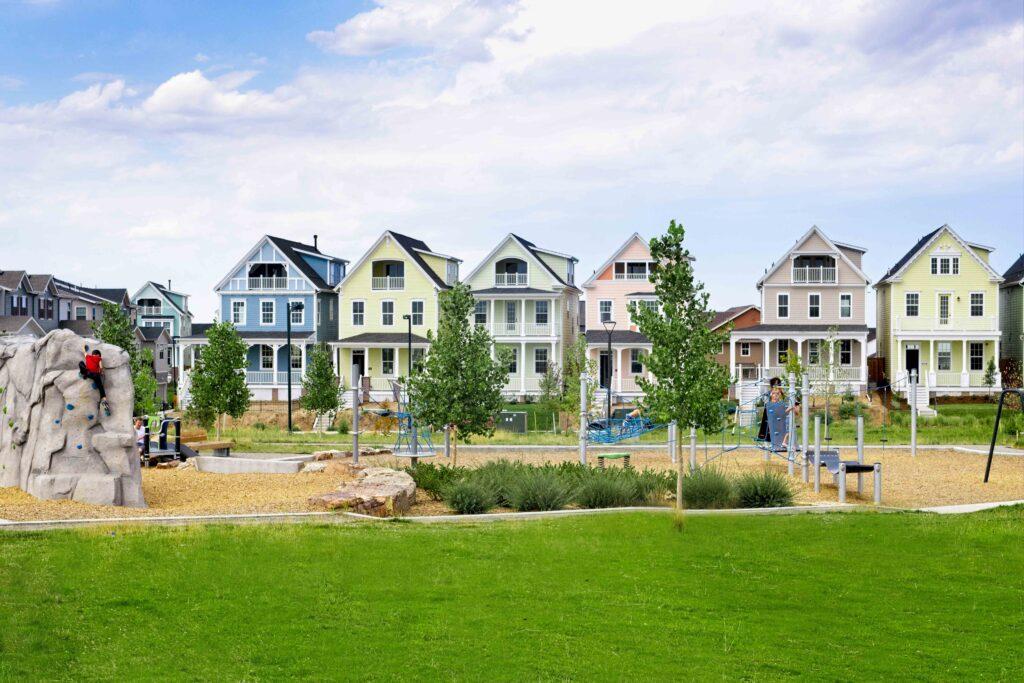
B&D: What defines a home from Brookfield Residential?
GS: A home from Brookfield Residential is defined by thoughtful design, its connection to the surrounding community and an approach to delivery that emphasizes consistency and long-term value. Brookfield Residential’s promise centers on creating the best places to call home. That promise is guided by three core principles that shape how the housing business operates: Passion, Integrity and Community. In practice, this means approaching planning and design with care and intention, making decisions with a long-term view and holding ourselves accountable to what is built and delivered. It also means recognizing that homes are part of larger places and that the quality of those places matters to the people who live there long after construction is complete. These principles provide a consistent foundation for how the housing business plans communities, delivers homes and engages with homeowners and partners across markets.
B&D: Looking at Brookfield Residential’s upcoming projects, what innovations across design, technology or sustainability do you believe will best define 2026?
GS: The innovations most likely to define 2026 are those that improve everyday livability for homeowners while supporting consistency and reliability across the business. From a design perspective, continued refinement of flexible layouts and efficient use of space remains important. Homes are being designed to support multipurpose living, practical storage and stronger indoor and outdoor relationships where appropriate, reflecting how households use their space day to day.
From a technology standpoint, the focus is less on novelty and more on tools that support clarity, consistency and a better experience for everyone involved. That includes technologies that help teams coordinate more effectively across planning, construction and sales, improve communication with homeowners and create greater transparency throughout the homebuilding process. Whether it is digital tools that streamline selections, improve visibility into the building journey, or support more responsive customer engagement, the goal is to use technology in ways that simplify the experience and allow teams to stay focused on delivering well-planned, well-executed communities.
Sustainability is approached as an ongoing priority that shows up across the business, from how offices operate, to how communities are planned, to how homes are designed and built. Across markets, Brookfield Residential offers a range of healthy home and energy-conscious features that allow homeowners to choose what matters most to them. These offerings can include solar panels, EV charging stations, enhanced window and insulation packages, water-efficient systems and other material and design selections that support comfort, durability and indoor air quality. The intent is to provide flexibility and choice, so homeowners can create a home that reflects their lifestyle, values, and long-term needs.
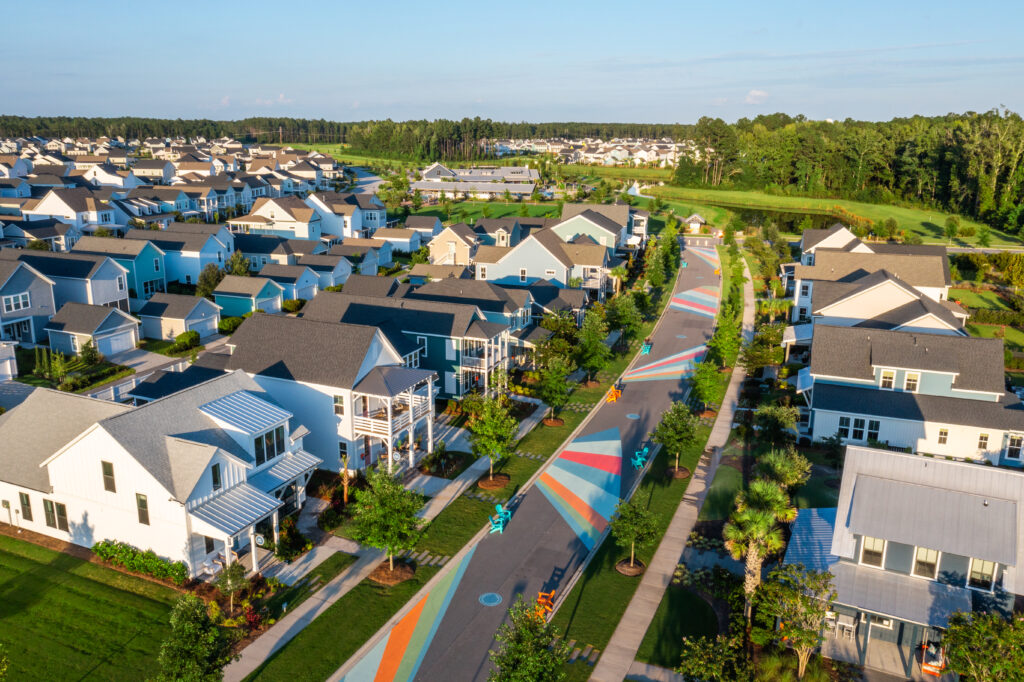
B&D: Large master-planned communities take years to complete. How does Brookfield Residential maintain quality, pace and alignment across housing, land and construction teams?
GS: Large master-planned communities require clarity of direction and sustained focus as they evolve over time. At Brookfield Residential, maintaining quality and pace starts with establishing clear expectations early, then reinforcing them consistently through communication, shared reference points and regular collaboration across teams. Formal mechanisms play an important role. Regular status updates, structured reporting and cross-functional meetings help ensure teams remain aligned on progress, priorities and decisions as communities move through different phases. Equally important is staying connected beyond formal processes. Team members are encouraged to spend time in the communities themselves, to see how neighborhoods are taking shape and to remain grounded in the purpose behind the work. That connection is reinforced through guiding frameworks that define how communities are planned, how homes are designed and how key decisions are made over the life of a project. These frameworks act as a consistent point of reference, allowing teams to return to a shared vision as markets shift and conditions change. By combining structure with clear principles and real-world connection, we’re able to maintain consistency while allowing communities to evolve in thoughtful and intentional ways.
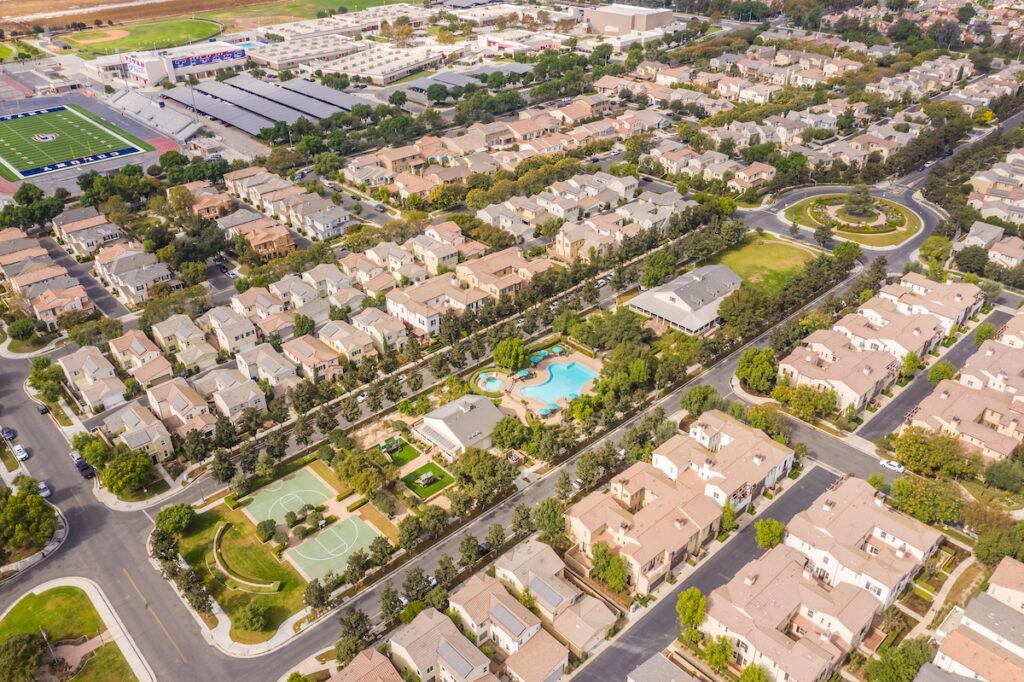
B&D: What forces do you see shaping the U.S. housing market and Brookfield Residential’s growth strategy in 2026 and beyond?
GS:The U.S. housing market continues to operate in a complex environment shaped by affordability pressures, constrained housing supply, elevated development costs and extended entitlement and infrastructure timelines. At the same time, demographic demand in many growth markets remains intact, reinforcing the ongoing need for new housing even as buyers and developers adjust to current conditions. What has changed is how carefully value is being evaluated. Buyers are more deliberate, capital is more selective and municipalities are increasingly focused on how projects fit within broader planning and infrastructure goals. These dynamics place greater importance on thoughtful land use, realistic pacing, and housing that is well aligned with local market conditions rather than broad assumptions.
Looking ahead, the market is likely to continue rewarding experience, patience and sound judgment. Operators that understand local nuance, plan communities with flexibility and align product offerings to real demand will be better positioned to navigate uncertainty and deliver housing that performs across a range of market environments.
B&D: What’s a lesson from your 20-year career in the housing industry that still shapes how you make decisions today?
GS: One lesson that continues to shape my decision-making is the importance of staying anchored in fundamentals, particularly in an industry that moves through cycles. Over time, experience reinforces that not every signal requires a reaction and that the most durable outcomes tend to come from measured judgment rather than urgency. That perspective influences how opportunities are evaluated and how tradeoffs are weighed. Decisions benefit from context, from listening to people with different points of view and from understanding how choices made today will affect communities years down the line.
Ultimately, experience brings clarity around what matters most. Over time, I have learned that sound planning, steady judgment and respect for the people involved tend to lead to better outcomes than short-term adjustments. That perspective continues to shape how I evaluate decisions and approach the responsibility of building homes and communities.
Photos courtesy of Brookfield Residential.
This is the full interview, read the print version in B&D February.