A collaborative effort to exceed environmental and architectural standards
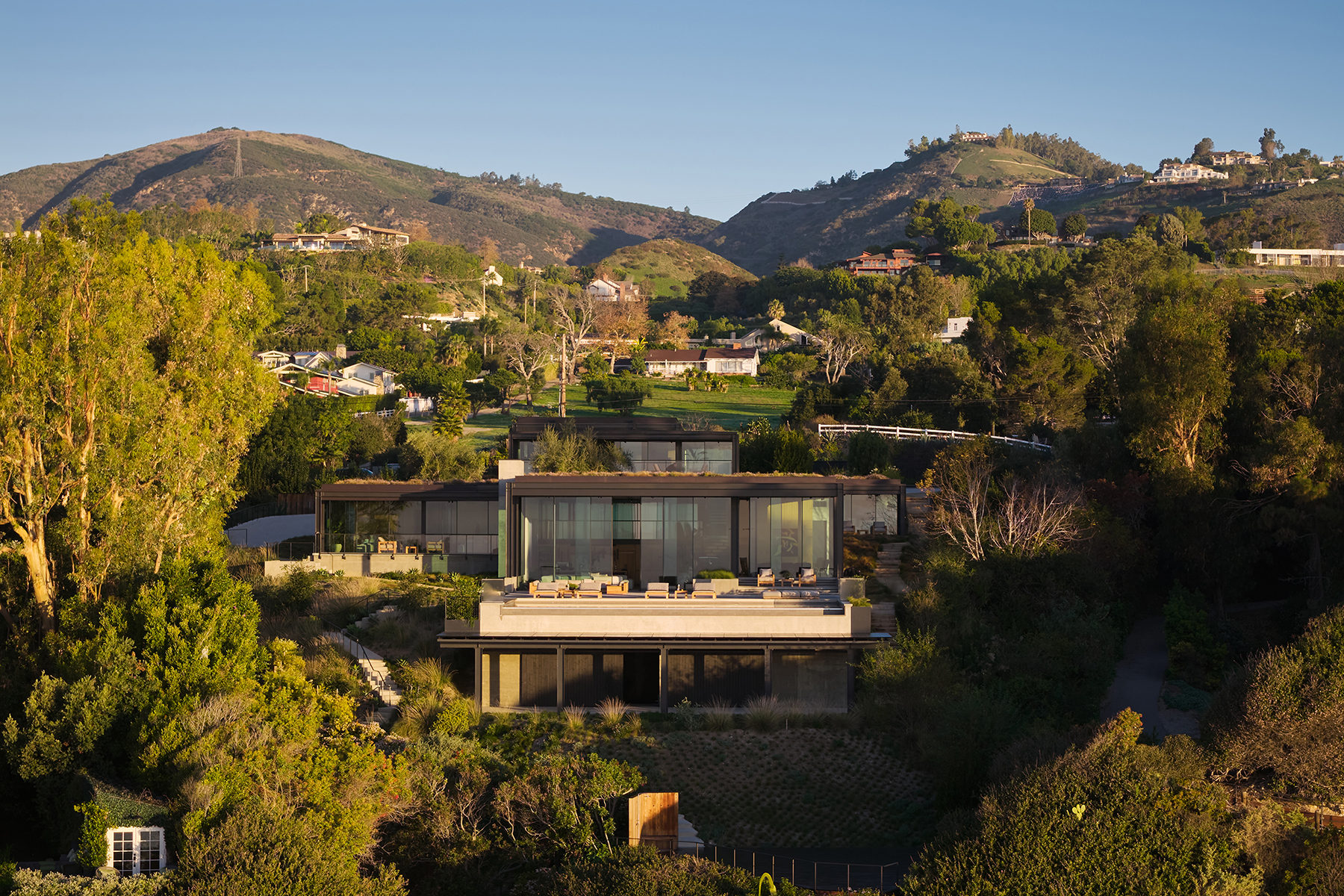
Tucked away in the coastal bluffs of Malibu, Calif., sits Paradise Cove, the embodiment of strategic architecture and oceanfront luxury. Built by Scott Halley & Associates and designed by Studio Bracket, the project was designed to exist harmoniously with the environment.
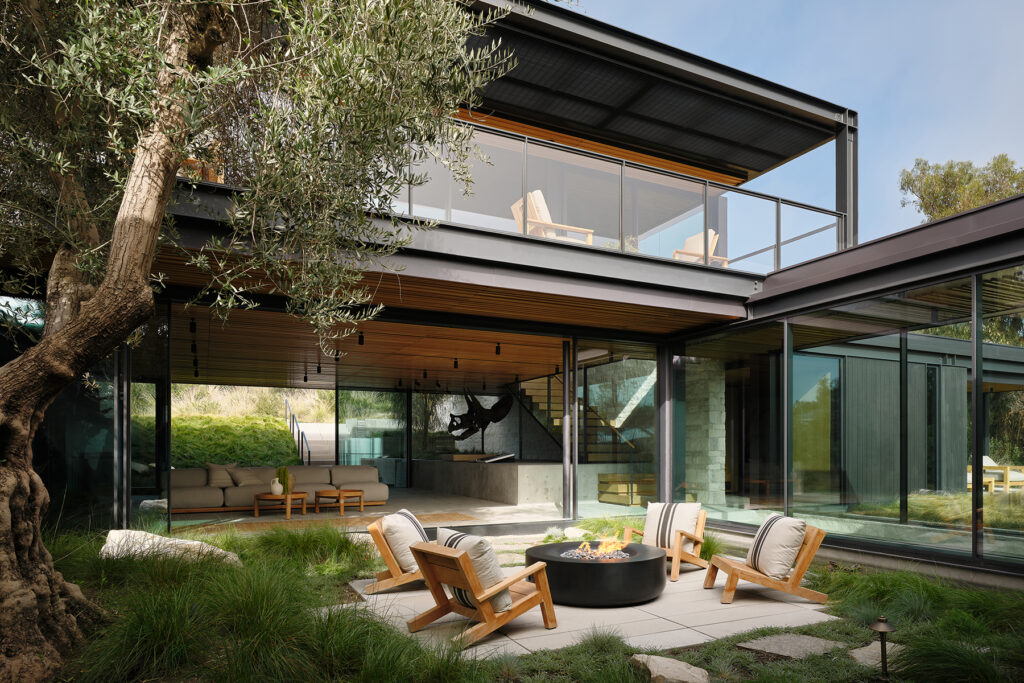
The 9,392-square-foot, two-story custom home exercises careful detailing for California’s seasonal heatwaves and marine layer. To complement the home’s advanced architecture, the interior is an artistic blend of coastal design and modern luxury.
In recognition of its meticulous design, Paradise Cove was honored with the Gold Nugget Grand Award for Best Custom Home – 7,500 to 10,000 square feet.
“This recognition is a tremendous honor and a meaningful acknowledgment of the creativity, collaboration and dedication that went into bringing this project to life,” said Wayne Chevalier, AIA, project designer and architect with Studio Bracket. “It is an honor to have our work recognized alongside so many talented professionals in the industry.”
Shaping Los Angeles’ Upscale Homes
Scott Halley founded Scott Halley & Associates in 1984. Over a decade earlier, he started his first business, an import and export company called “Stop and Shop” in Downtown Los Angeles. He gained an interest in residential construction when he purchased eight acres of land in Malibu. It was on that same land that he built his own 3,000-square-foot home.
For more than 40 years, Scott Halley & Associates has focused on building upscale custom homes from the west end of Los Angeles to the northern end of Malibu.
Designing for Coastal Living
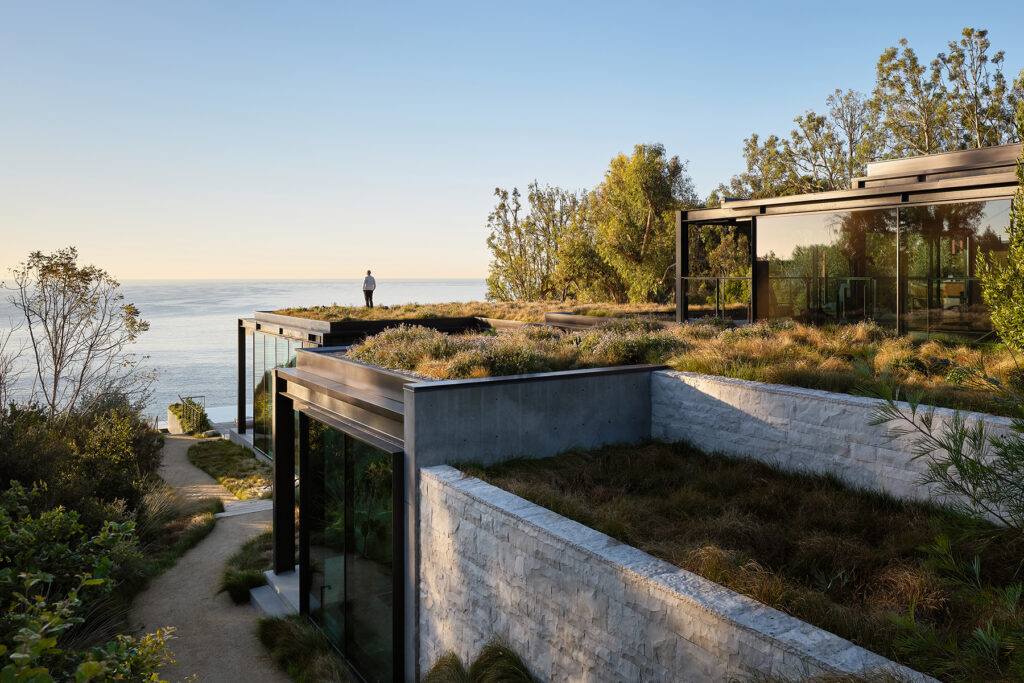
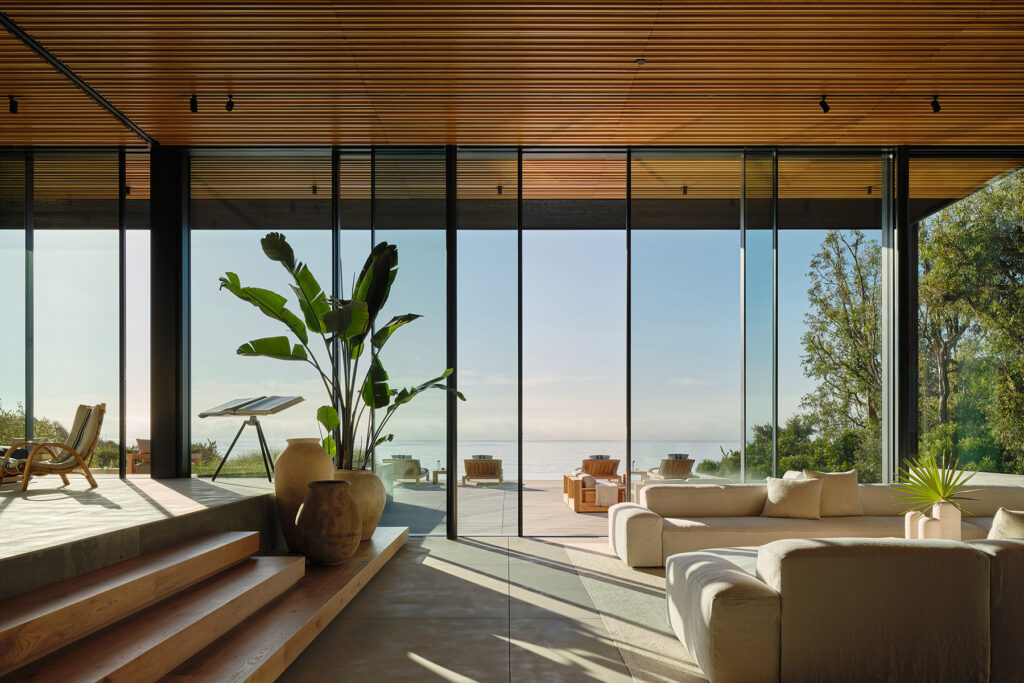
The builder and designer knew that the star of the project lot was the view. The home was carefully crafted to take in three breathtaking sceneries. The back of the home points towards the silhouette of Catalina Island and panoramic views of the Pacific Ocean. While north of the home sit the Santa Monica Mountains. The builder utilized every aspect of the surrounding environment to evoke a blend of oceanfront luxury living and a rustic, outdoor feel in the home’s design.
“Our emphasis has always been on strengthening the connection to the environment and our community,” said Chevalier. “This project was designed to be a ‘good neighbor’ by protecting shared public views of the coast, conservation of natural resources and promoting biodiversity.”
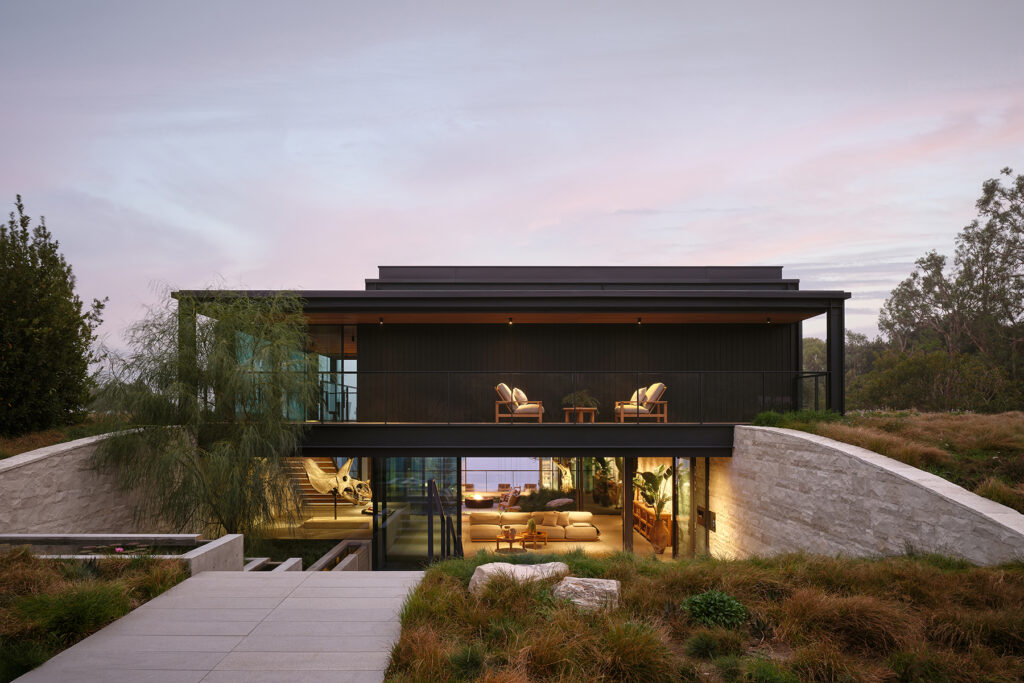
Preserving the community’s shared views of both the coast and horizon was a priority, so the builder minimized Paradise Cove’s profile. They used the mountain’s slopes to strategically place the home to provide an optimal ocean outlook without inconveniencing the surrounding homes.
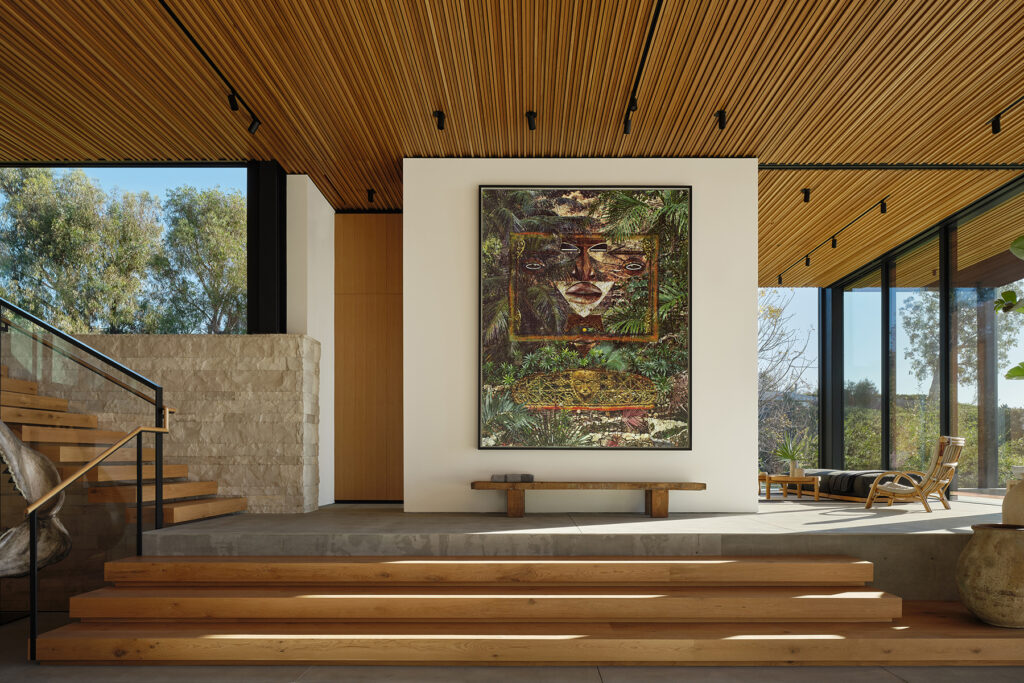
The home’s layout functions like a guided vacation tour. A subterranean entry gazes to the open central courtyard towards the sea, leading to the main living area and primary bedroom before ending at the final destination, the backyard.
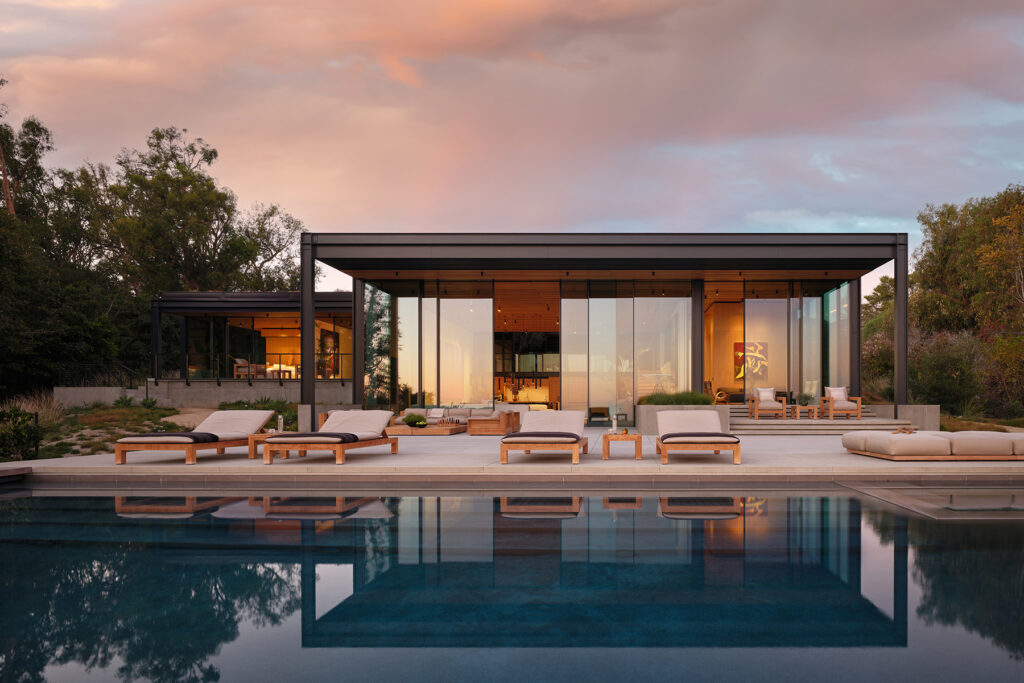
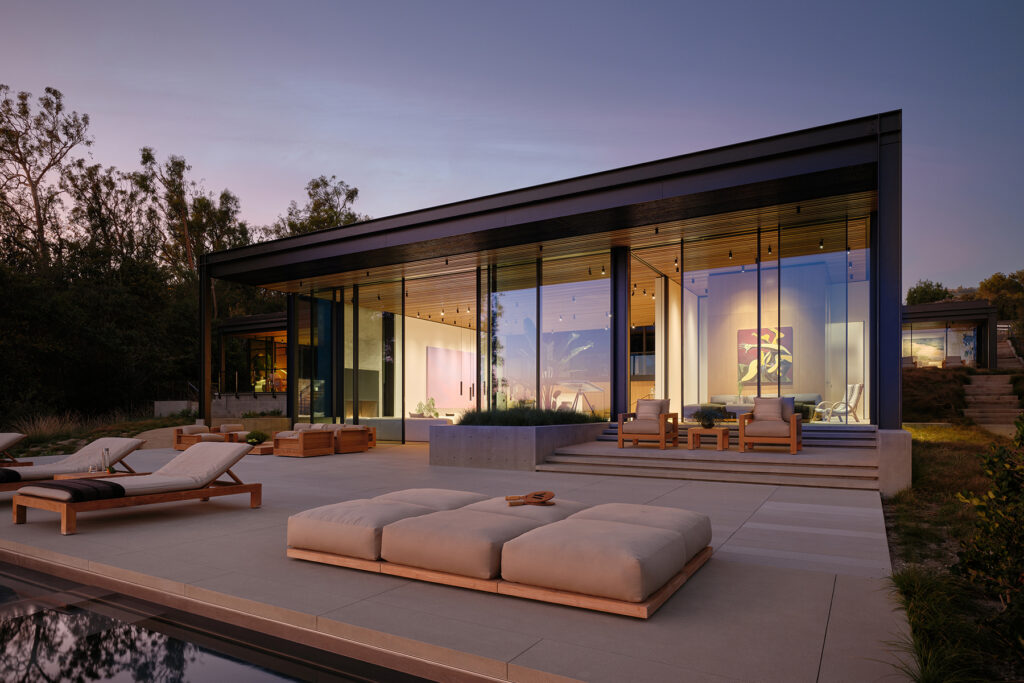
The patio’s minimal design feels contemporary and intentional; the backyard feels like a lush, high-class resort, from the pool overlooking California’s coastline to the large wood-panel deck with multiple lounging areas.
Heightened Performance
Halley incorporates his passion for life and nature in the company’s builds. Paradise Cove is no different, with a roof designed for rainwater detention, temperature regulation and the absorption of carbon dioxide and particulates. Deep overhangs provide solar shading, UV and moisture control.
The home has two solar arrays, ensuring the home’s advanced energy performance. A photovoltaic array is strategically placed in front of the pool, hidden within the overhanging bluff, while another solar array rests on top of the home’s entry roof.
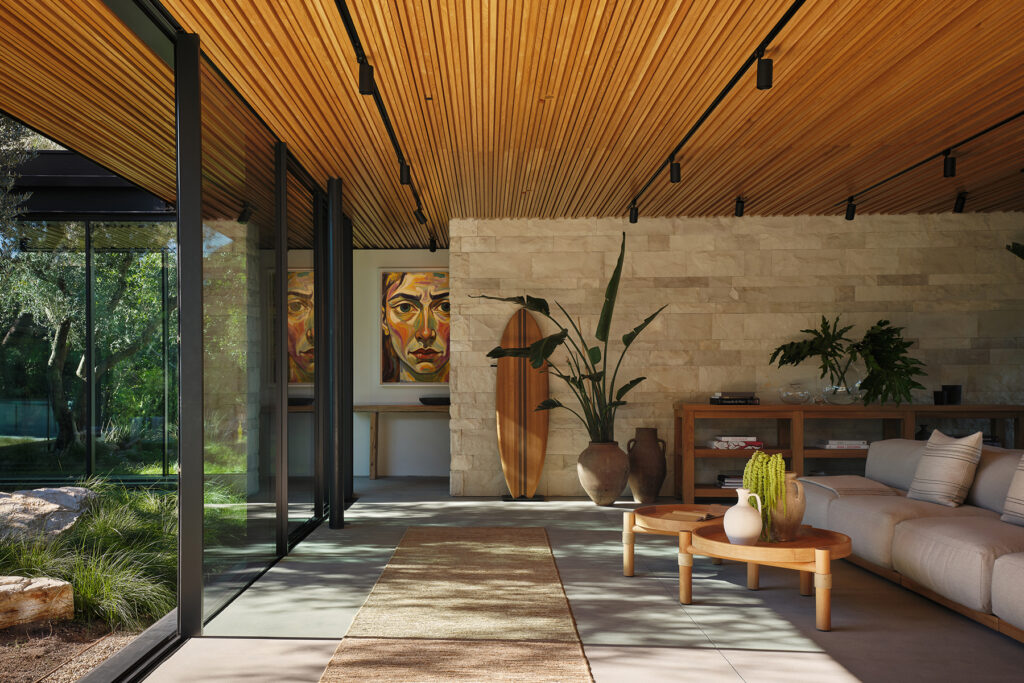
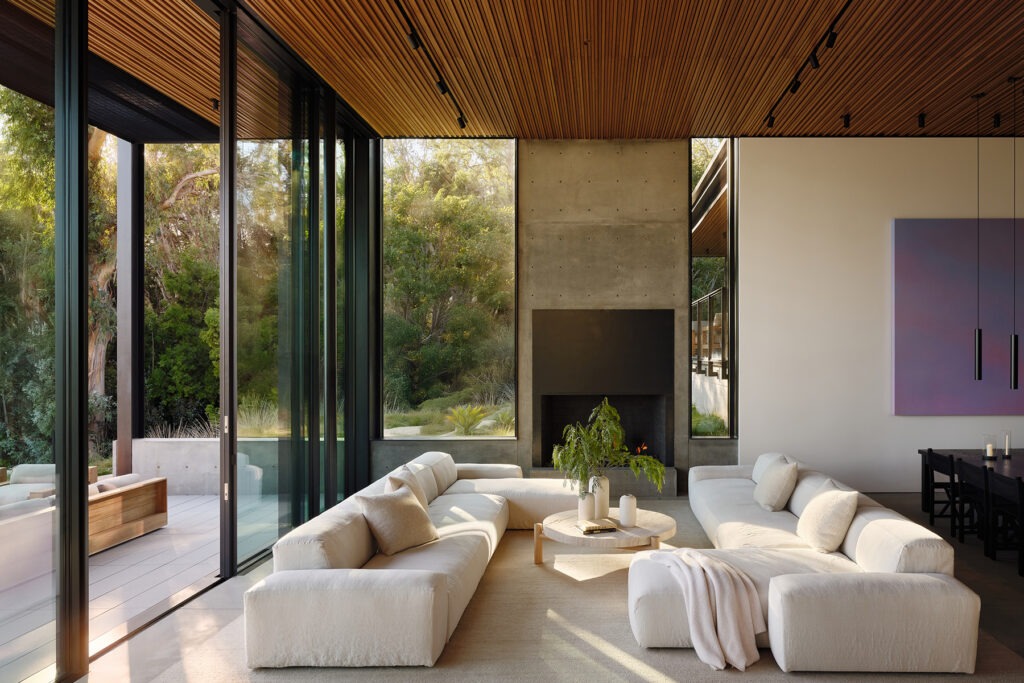
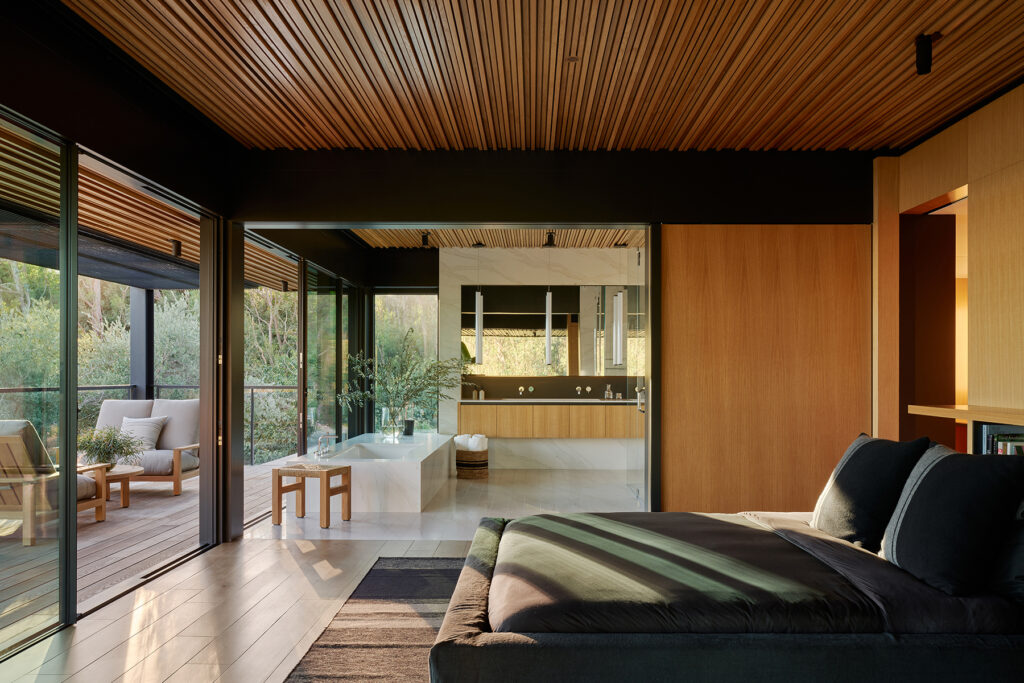
Biophilic details fill every corner of the home, inspiring wellness and connectivity with the environment, from the parallel stone walls separating the living space to the concrete tile on the first floor. Large sliding glass doors invite natural light into the space on both the first and second floor, while wooden elements such as the staircase and ceiling panels evoke warmth.
Paradise Cove is a reflection of the builder’s love for nature and dedication to building evolutionary custom homes.
Photography by Kevin Scott.
By Taylor Moore. She is the Assistant Editor at Builder and Developer and can be reached at taylor@builder.media.
This story is featured in our September issue of Builder and Developer. Read the print version here.