Inside Award-Winning Architecture
As the housing market has shifted, our work has placed greater emphasis on efficiency, flexibility and long-term value. We’ve seen growing interest in right-sized homes, multigenerational living, adaptable spaces and low-maintenance materials. Design solutions now need to balance lifestyle appeal with cost awareness, durability and energy performance. As architects, our work starts with people.
We think of residential design as portrait work, shaping homes around the lives, habits and values of the people who will live there.
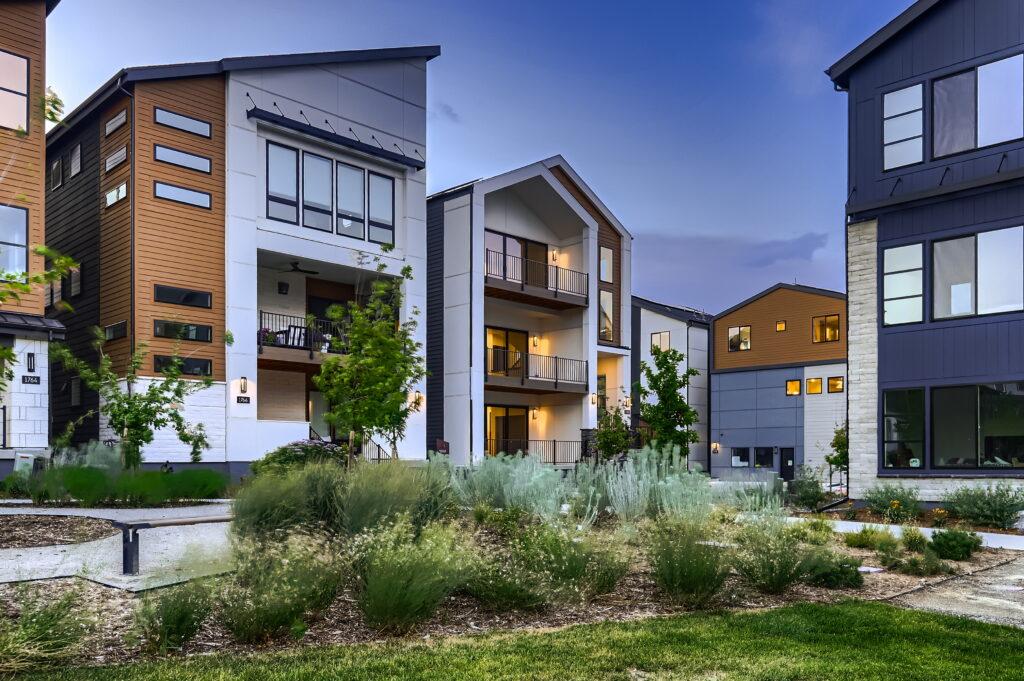
In Colorado, these pressures are often paired with a consistent desire for strong curb appeal and varied streetscapes. Our role has increasingly been to help builders and homeowners meet those expectations through thoughtful architecture that elevates livability and neighborhood character without unnecessary complexity. Positioned along the growing I-25 corridor, Baseline sits at the crossroads of expansion from both the Boulder and Denver metro areas. The broader development includes a nearby medical campus, a multimodal transportation hub and mixed-use commercial areas. The neighborhood follows a New Urbanism framework, emphasizing walkability, compact lots, shared green spaces and a strong architectural identity.
The project reinforced the value of treating circulation, outdoor access and flexibility as primary design drivers. Designing on a narrow lot required careful attention to proportion, circulation and daylight. The challenge was to create a home that feels generous rather than compressed while meeting market expectations and construction realities.
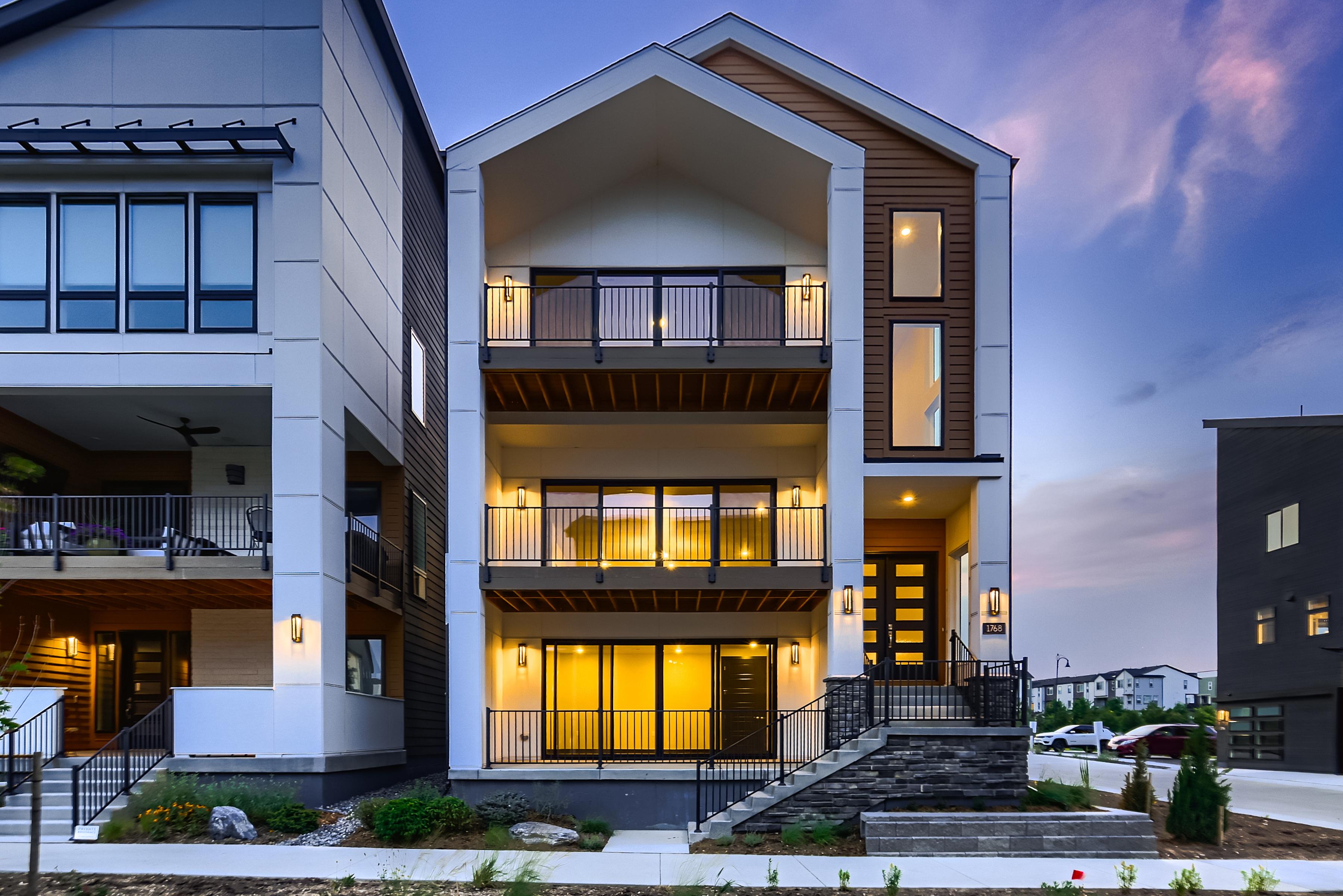
The exterior design emphasizes strong vertical proportions, layered massing and a range of modern elevations that create variety along the street. Balconies, material contrast and recessed entries add depth and warmth, allowing compact homes to feel distinctive and inviting while maintaining a cohesive neighborhood character.
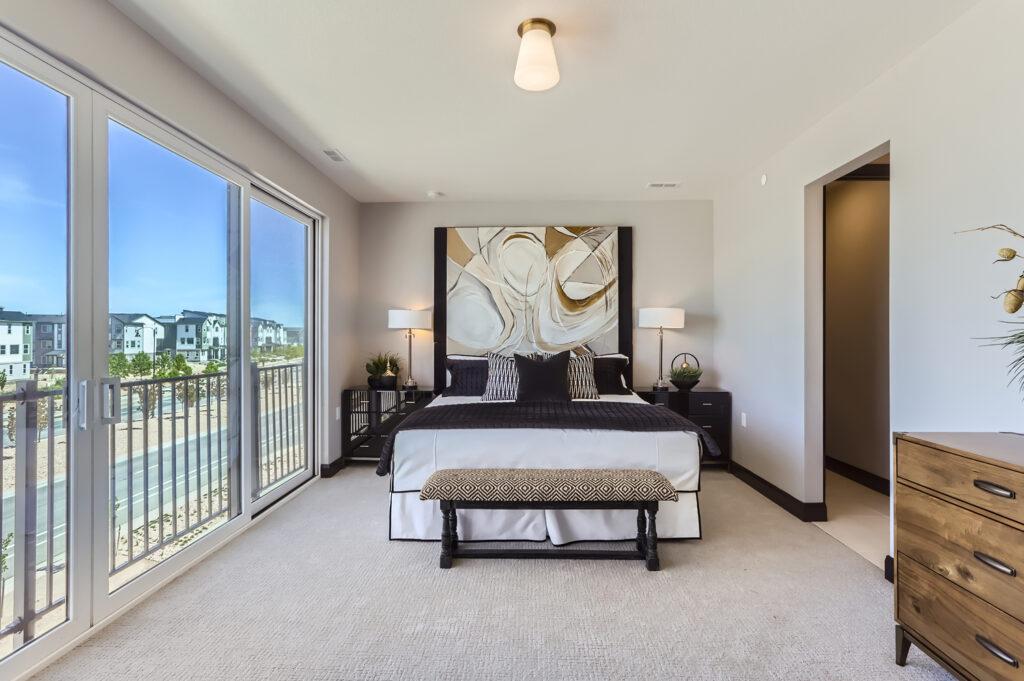
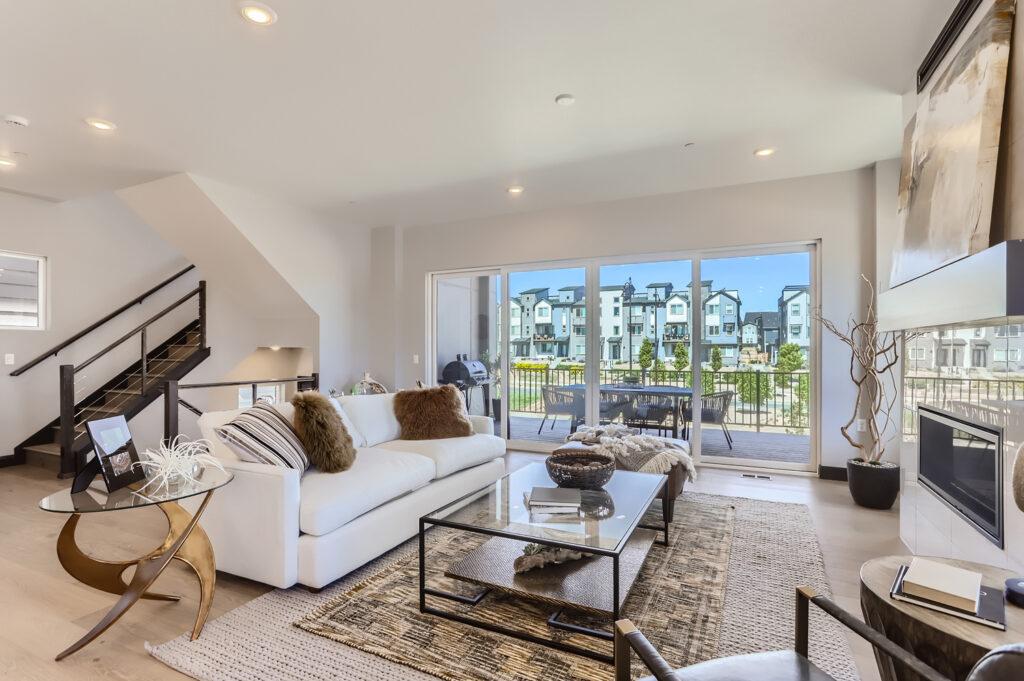
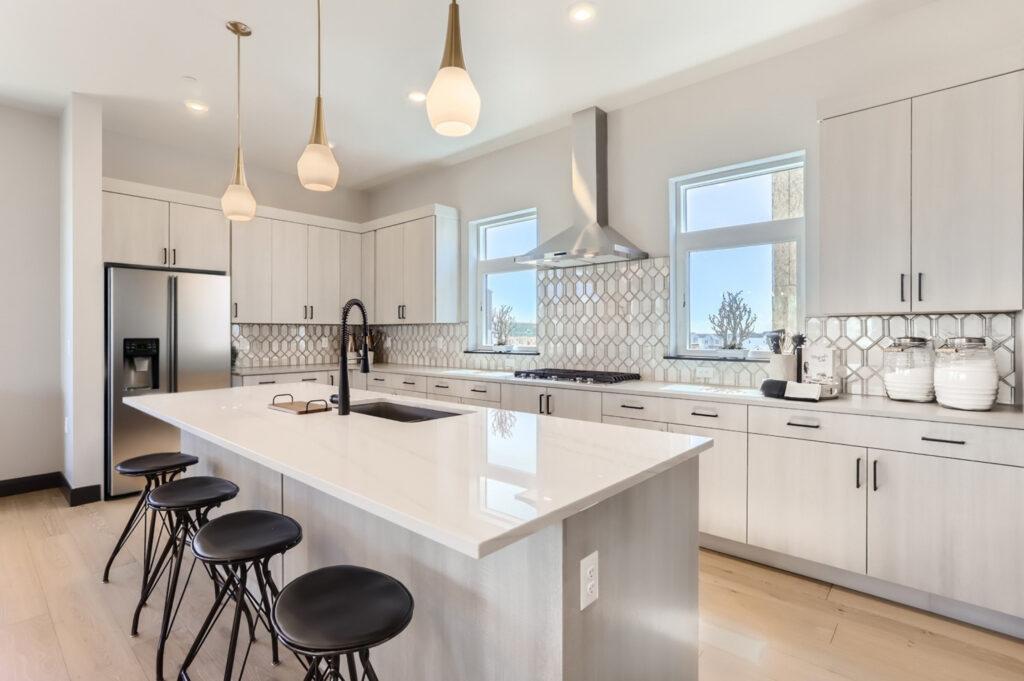
The Baseline plan series organizes living across three levels, each with a clear purpose. The ground-level floor includes a sixteen foot sliding door that leads out onto a large covered patio, a three-car garage, a recreation room and a powder room. From there, you can option a wet bar, full bedroom and bathroom, or even transform the lower level into a 1-bedroom multi-generational suite complete with laundry and kitchenette. The second floor is all about entertaining. A generous kitchen, dining area and living space flow seamlessly to a covered balcony, creating indoor-outdoor connection. A unique feature in the Energetic plan, an enlarged stair landing creates a bright, usable alcove from what would otherwise be circulation space. The third floor is reserved for privacy, housing bedrooms, bathrooms and laundry in a layout that supports retreat while maintaining efficiency. Each home design incorporates patios and large decks on all floors to reinforce the importance of outdoor connection in vertical living.
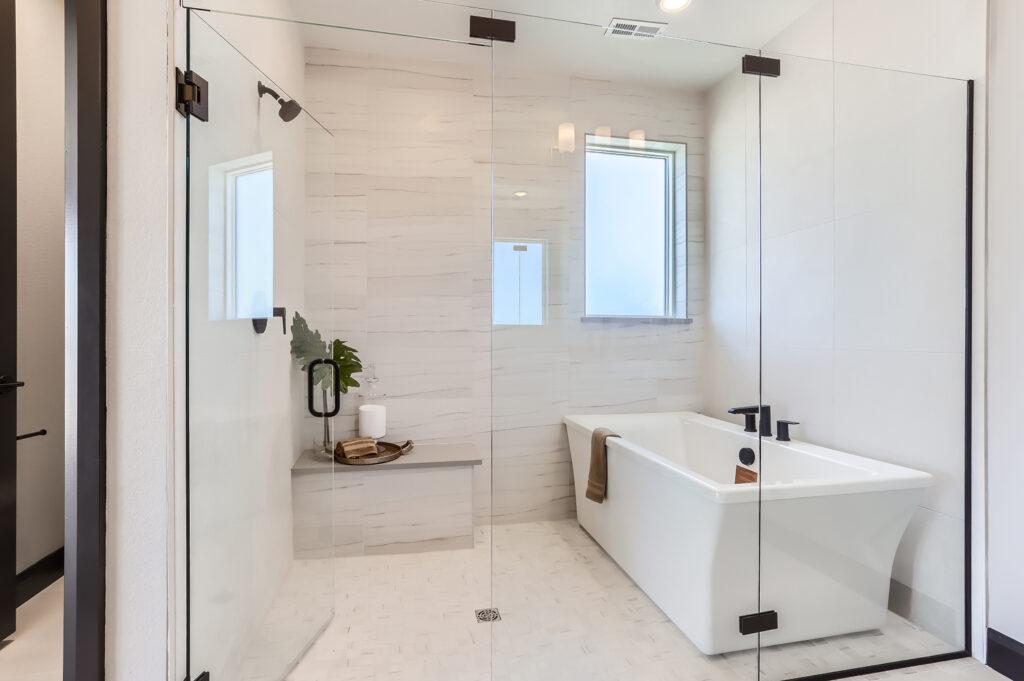
The project received Silver Awards at both The Nationals and the BALA Awards and was also a finalist at the 2025 Denver MAME Awards for Architecture of a Model Home. These recognitions affirm that thoughtful residential architecture can thrive within builder-driven frameworks while resonating at both the regional and national level.
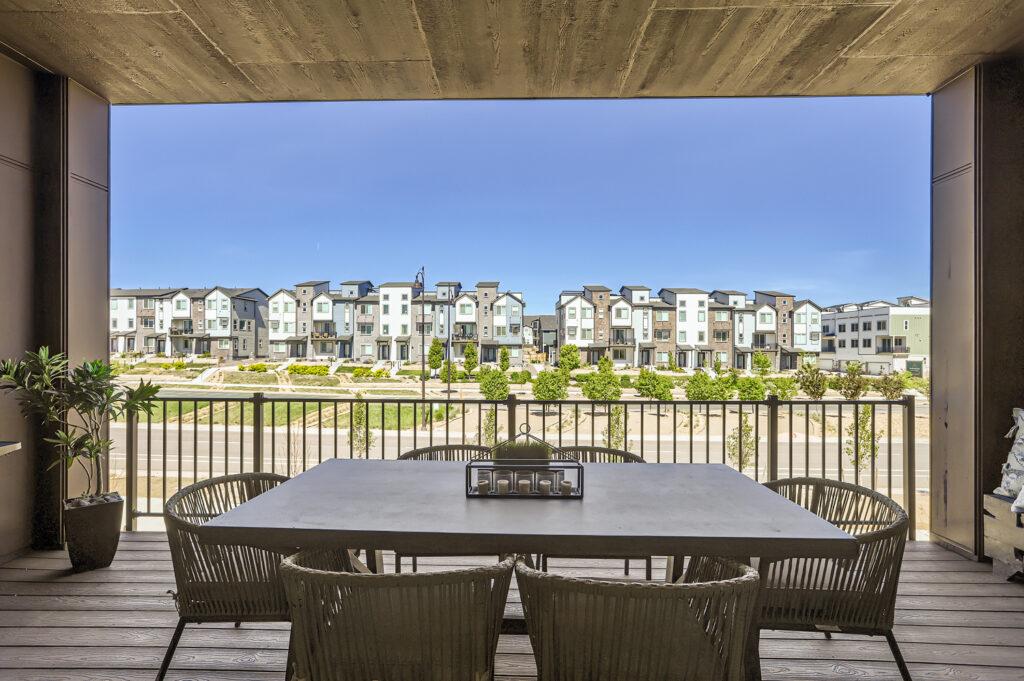
For our team, the awards represent more than individual design elements. They reflect strong collaboration, disciplined problem-solving and a shared commitment to elevating everyday housing through careful planning and execution. The Energetic Model shows that three-story living doesn’t have to feel stacked or constrained. With careful planning, outdoor access and attention to circulation, vertical homes can feel open, generous and connected.
Photos courtesy of Osmosis Architecture
By Tucker Huey. He is Principal at Osmosis Architecture. He can be reached at thuey@osmosisarchitecture.com.
This column is featured in our March issue of Builder and Developer, read the print version here.