





read
B&D Interview: Cammie Hancock Beckert
by
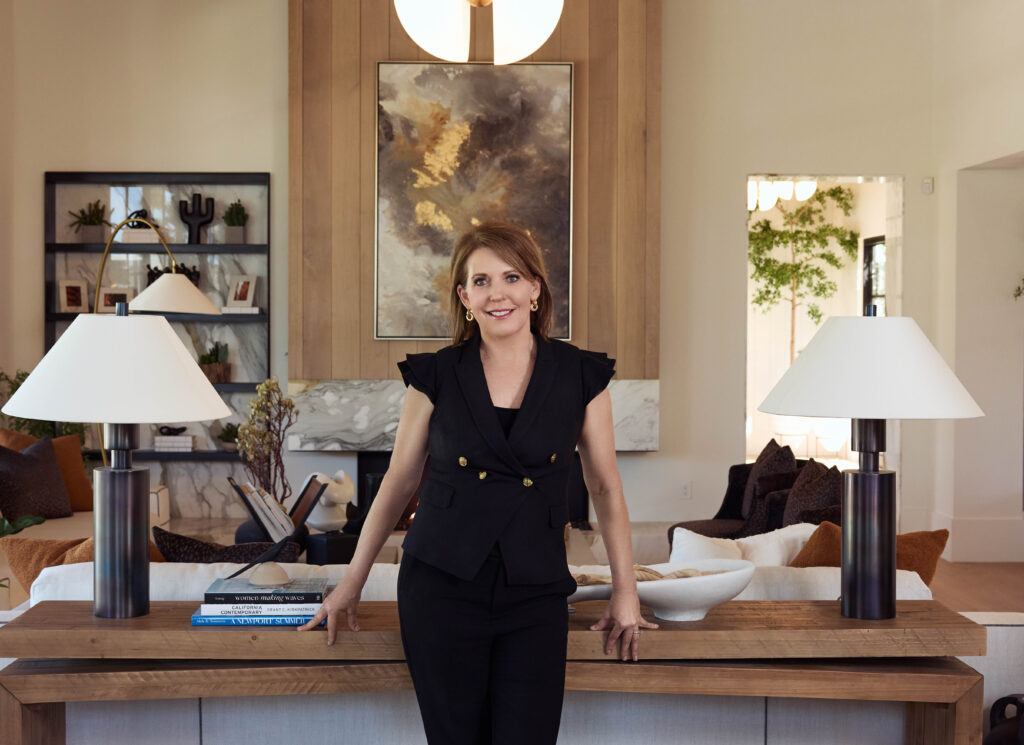






Cammie Hancock Beckert, President of Cameron Custom at Camelot Homes discusses branching out as a family-founded builder
Builder and Developer: Where did your interest in residential construction begin?
Cammie Hancock Beckert: I grew up visiting job sites and walking model homes with my parents on weekends. At the time, it simply felt like a way of life rather than a defined career path. My interest in the industry became more intentional in my second role out of college, where I worked with builders providing market research data.
However, my true passion for the business developed when I joined our family company and began working in sales. Collaborating with families, building relationships and guiding them through the process of creating their homes was incredibly meaningful. I found great fulfillment in helping bring their vision to life as their homes took shape.
B&D: Tell us the story behind founding your division at Camelot Homes:
CHB: One of the things I value most about our company is the discipline to work on the business, not just in it. Through EOS, we regularly evaluate our long-term goals, which led us to identify an opportunity to diversify beyond luxury production communities. Custom homes became a natural extension.
After more than 20 years in the family business, I was motivated to build something of my own, leveraging our proven systems while creating a more personalized, design-driven offering.
We had also been approached over time to build on client-owned lots, typically for clients already familiar with our work.
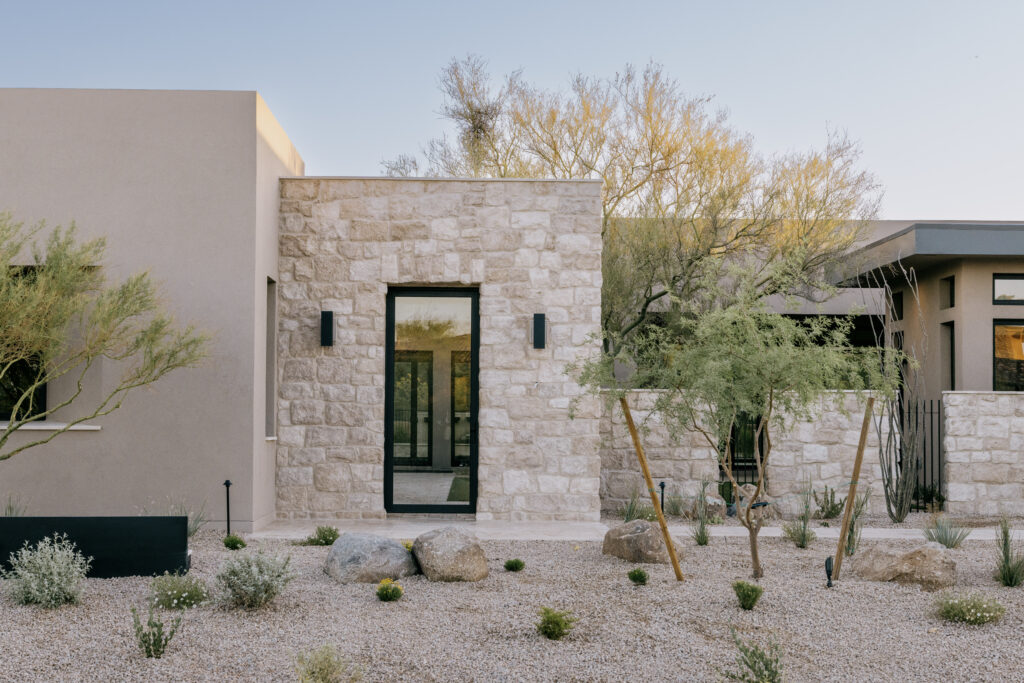
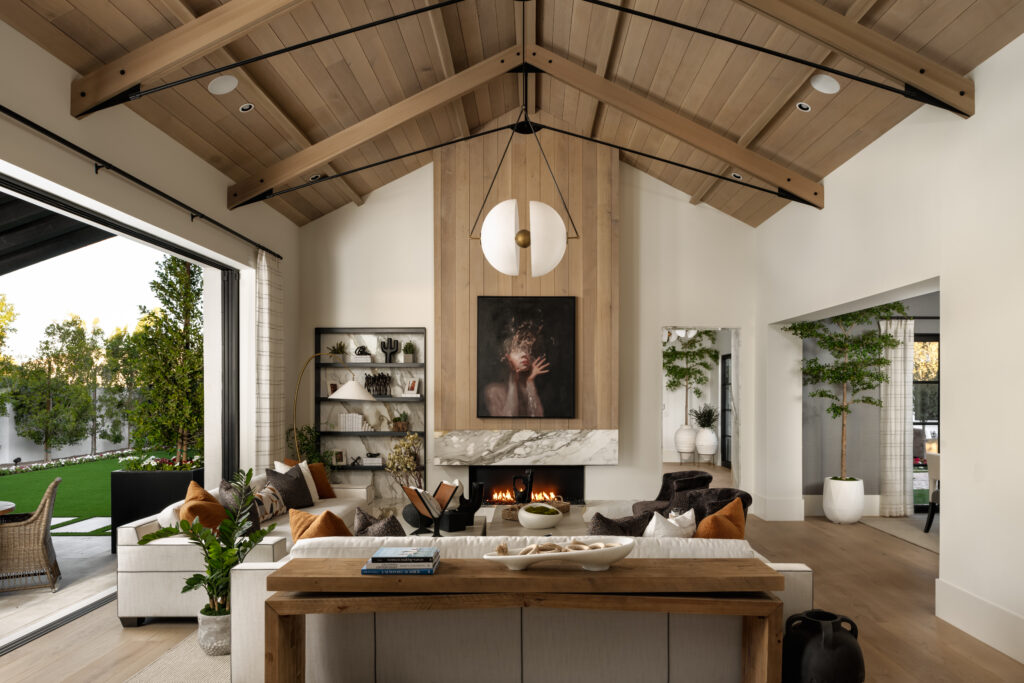
Additionally, our White Horse community played a meaningful role. The architecture was designed by renowned architect Bob White, who is known for his work in the custom home space. The elevated, custom-level design resonated with buyers and led to increased interest from clients wanting to build similar homes on their own lots.
The combination of strategic planning, market demand and prior experience ultimately led to the creation of Cameron Custom.
B&D How do you describe your building philosophy?
CHB: My building philosophy is rooted in collaboration, transparency and accountability.
Don’t just keep up. Get ahead—with our biggest stories, handpicked for you each day.
I believe the most successful projects start with early alignment between the client, architect and design team, especially around vision, scope and budget.
Equally important is maintaining a strong, structured process throughout both design and construction. Clear communication, proactive planning and attention to detail are what ultimately translate great design into a well-executed home.
B&D: What qualities were crucial to your success?
CHB: Resilience, adaptability, grit and a commitment to continuous improvement have been critical.
The custom homebuilding process presents unique challenges and success often depends on the ability to navigate complexity while maintaining consistency and focus.
Strong communication skills, along with the ability to manage both client expectations and team coordination, have also been key contributors.
 B&D: What advice would you give to others looking to start or further their careers?
CHB: Be curious, don’t shy away from the hard parts. That’s where the most growth happens and where you build grit and confidence. Surround yourself with people you can learn from. This industry is built on experience. Having the right mentors can make a meaningful difference in how quickly and how far you grow.
B&D:How has your experience at Cameron Custom & Camelot Homes advanced your career or provided mentorship to others?
CHB: Working across both Cameron Custom and Camelot Homes has given me a unique balance of perspectives; the creativity and flexibility of custom homes alongside the discipline and systems of a larger production builder. That combination has significantly shaped how I approach both design and execution. As Cameron Custom has evolved, I’ve had the opportunity to mentor team members in areas like preconstruction planning, client communication and navigating complex projects. I focus on creating an environment where people feel supported, but also challenged to think critically, take ownership and grow in their roles.
This is the full interview, read the print version in B&D May.













Don’t just keep up. Get Ahead.
Sign up for our Newsletter to get the biggest stories, handpicked for you each day.