





read
AI & The Trades
by








Why skilled labor still matters
Now more than ever, it is essential for school counselors, educators and administrators to actively champion the skilled trades as a valued, rewarding and viable career option for the next generation. By introducing students to the wealth of opportunities in these fields, we can close the skilled labor gap, strengthen our economy and empower young Americans to build long-lasting, fulfilling careers.
With the rapid onset of the artificial intelligence (AI) age and the anxieties it has instilled about the future of work, our nation is facing a crossroads in how we prepare the next generation for the opportunities and challenges ahead. Every spring, millions of young Americans are handed the same piece of advice: go to college, get a degree, follow the “right” path. For decades, that guidance seemed like a safe bet. But in 2026, it’s worth questioning whether that narrow definition of success still fits.
The numbers paint a worrisome picture. Since 2010, the cost of college tuition has increased nearly 37%, even after adjusting for inflation. Student loan debt in the United States is at a staggering $1.8 trillion. Increasingly, a college diploma is no longer a reliable ticket to employment in the field you studied. Many graduates are left with six-figure debts, only to discover that their desired jobs aren’t as plentiful or accessible as they believed. The unemployment rate for recent college graduates continues to hover above 5% and many more are underemployed.
Meanwhile, a parallel crisis is unfolding in the trades: there are not enough skilled workers to meet demand. Electricians, plumbers, installers, cabinetmakers and carpenters are urgently needed.
According to NKBA industry data, more than half of surveyed kitchen and bath firms expect labor shortages to hold them back from taking on new projects in the coming year.
The work is there. The workers are not.
The urgency grows as AI transforms how products are designed, manufactured and delivered and the kitchen and bath industry is no exception. Tomorrow’s cabinets may be engineered by algorithms and cut by robotics, but no algorithm has ever installed a cabinet, navigated a complicated plumbing setup or handled a homeowner’s last-minute design changes. AI doesn’t replace the trades; it elevates them. As technological advancements look to automate routine tasks, the value of hands-on skill, craftsmanship and creative problem-solving rises.
Don’t just keep up. Get ahead—with our biggest stories, handpicked for you each day.
These are the kind of roles that will always require a human touch, no matter how sophisticated tools become.
For too long, we’ve sold generations a lie: that a four-year degree is the measure of ambition and achievement and the trades are merely a backup plan. Not only does that framing shortchange the trades, it shortchanges young people who might find their calling there. It also weakens our workforce and economy at a critical time when both need to be strong.
To meet this moment, we must expand public-private partnerships that create apprenticeship opportunities for high school and college students nationwide, providing both academic credit and hands-on professional training. Research indicates that, at the college level, students in apprenticeship programs out-earn their peers who learn skilled trades in a strictly academic setting.
School counselors have to be equipped with up-to-date information about skilled trades and clear pathways into these fields. More slots need to be opened up in existing high school vocational programs and public and union training programs to meet growing demand. And we must weave that vocational learning into core subjects like math, applied science and computer-aided design, so students interested in the trades graduate ready to succeed.
Apprenticeships, counselor training and an integrated curriculum are the building blocks.
But the foundation is simple: if we want a diverse, modern workforce equipped for the challenges of tomorrow, we have to start changing the conversation today.
By recognizing the skilled trades as essential, honorable and enduring careers, we can build a stronger and more resilient America.
As we celebrate the 250th anniversary of our country, we would do well to remember that our nation’s strength started with those willing to build, fix and craft with their own hands. This work has always been honorable and it still is. Encouraging young people to pursue skilled trades makes good on that legacy and invests in a future where practical skills and creativity continue to matter.
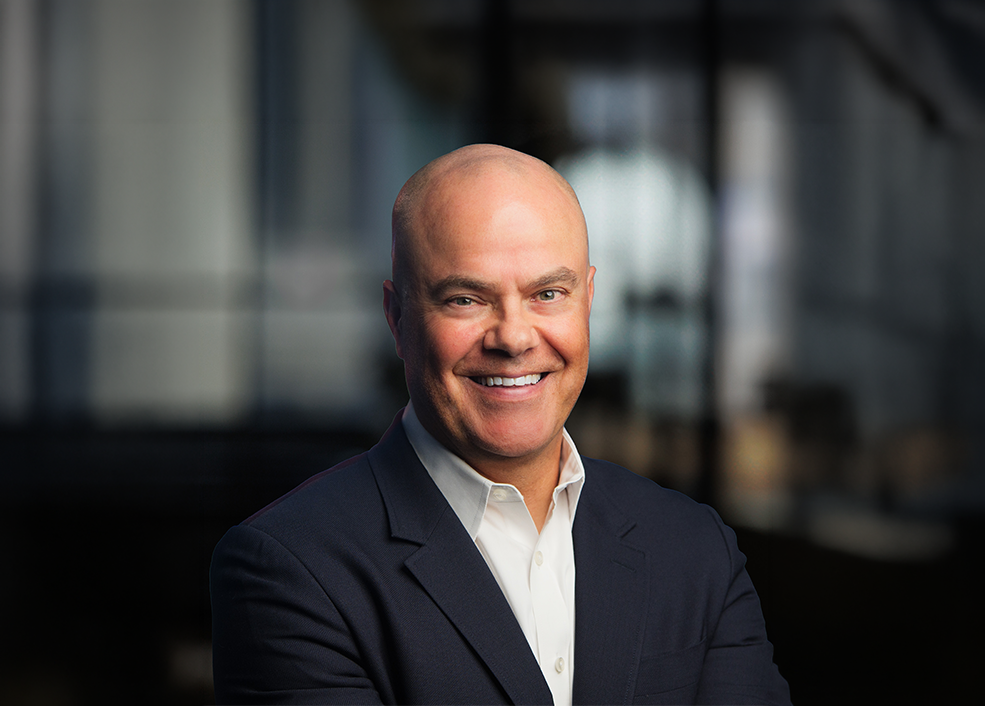
By Bill Darcy. He is the Global President & CEO of the National Kitchen and Bath Association. He can be reached at bdarcy@nkba.org
This column is also featured in B&D September, read the print version.














Don’t just keep up. Get Ahead.
Sign up for our Newsletter to get the biggest stories, handpicked for you each day.