








Creating a system that produces quality results
Luxury custom homebuilding is no longer defined solely by expensive materials or larger homes. True luxury is the disciplined integration of design, construction, technology, craftsmanship and the client’s way of life.
My philosophy is that a custom home should be designed around the life that will unfold within it. Architecture can be visually impressive, but if the home does not function naturally for the people living there, it has failed to serve its purpose.
We begin by understanding how the client lives: how they entertain, where they spend time as a family, how much privacy they value and how their needs may change over the next decade. Those considerations should inform everything from the overall floor plan to lighting, storage, acoustics, technology, material selection and, of course, budget.
I also believe that design and construction cannot be treated as separate conversations. A beautiful concept must be technically sound, financially responsible and executable in the field. For me, that integration is fundamental to successful custom homebuilding. Design establishes the vision, but disciplined execution is what allows that vision to survive the realities of budget, engineering, procurement and construction.
A luxury home should feel effortless to its owner, even though an extraordinary amount of thought and coordination went into its creation. That philosophy also informs our business strategy in California’s current market, where builders must balance ambition with discipline. Construction costs, entitlement requirements, insurance considerations, financing conditions and long procurement periods have made predictability more valuable.
Our strategy has been to operate as an integrated design-build platform. By bringing planning, architecture, interior design, engineering coordination, procurement and construction management into a single coordinated process, decisions can be evaluated for design, cost, schedule and constructability simultaneously.
Transparency is equally important. Clients should understand what their budget covers, where uncertainty remains and how decisions may affect the project before construction begins. A realistic budget delivered early is more valuable than an attractive but incomplete figure that creates problems later. In today’s market, thorough preconstruction planning is not only preparation; it is one of the most important aspects of building the home.
Since we established the company, the market has become more sophisticated. Clients have greater access to design inspiration and expect a home to be highly personalized, technologically advanced, environmentally responsive and architecturally cohesive.
At the same time, luxury has become more understated. Many clients are moving away from features added for show and toward spaces that enhance everyday life: wellness areas, flexible offices, indoor-outdoor living, concealed storage, improved acoustics, energy efficiency and carefully integrated home automation.
Expectations for the building experience have also risen. Clients now expect visibility into budgets, schedules, selections, procurement and progress. We are no longer expected to deliver only construction; we must manage information, risk, communication and the entire client journey through a transparent, effective platform.
My advice to fellow homebuilding leaders is to build the company with the same discipline used to build the homes. Strong craftsmanship is essential, but it alone does not create a consistently successful organization. Continuous improvement is paramount in every aspect of the business.
Every project creates lessons about design coordination, estimating, procurement, sequencing, communication and field execution. Strong companies capture those lessons, refine their processes and carry that knowledge into the next project. Daily incremental enhancements lead to growth and development over the years. You also need documented processes, technology and systems, accountable teams, reliable financial controls, quality-assurance systems and communication emphasized at every step.
I would also encourage leaders to prioritize long-term trust over short-term revenue. Be willing to have difficult conversations early. If a budget is unrealistic, a schedule is too aggressive or a design decision creates avoidable risk, the client deserves to know before the problem becomes costly.
Finally, stay close to the work. As a company grows, leadership naturally becomes more removed from daily production, but leaders should never lose contact with clients, project teams and field conditions. Leadership in homebuilding means creating an organization where the system produces quality, not one where people have to catch every problem.
The future of luxury homebuilding belongs to companies that can combine creativity with operational discipline. Materials and styles will continue to evolve, but the fundamentals will remain the same: listen carefully, plan honestly, build responsibly, leverage technology and create a home that serves its owners long after the project team has left, built to last for generations.
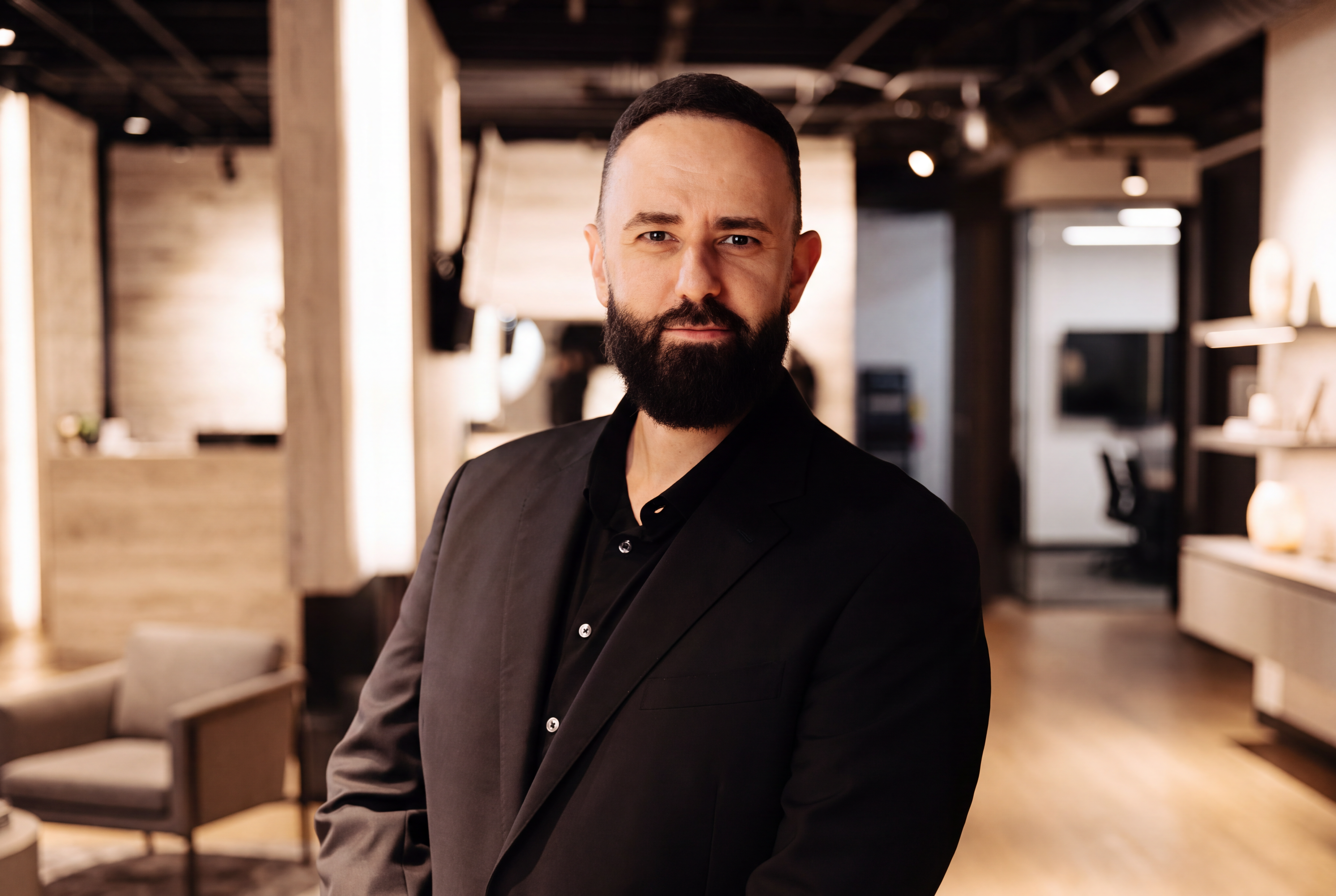
By Harut Arzumanyan. He is the Chief Executive Officer of Arzuman Brothers and can be reached at harut@arzumanbrothers.com.
This story is featured in our October issue of Builder and Developer. Read the print version here.