




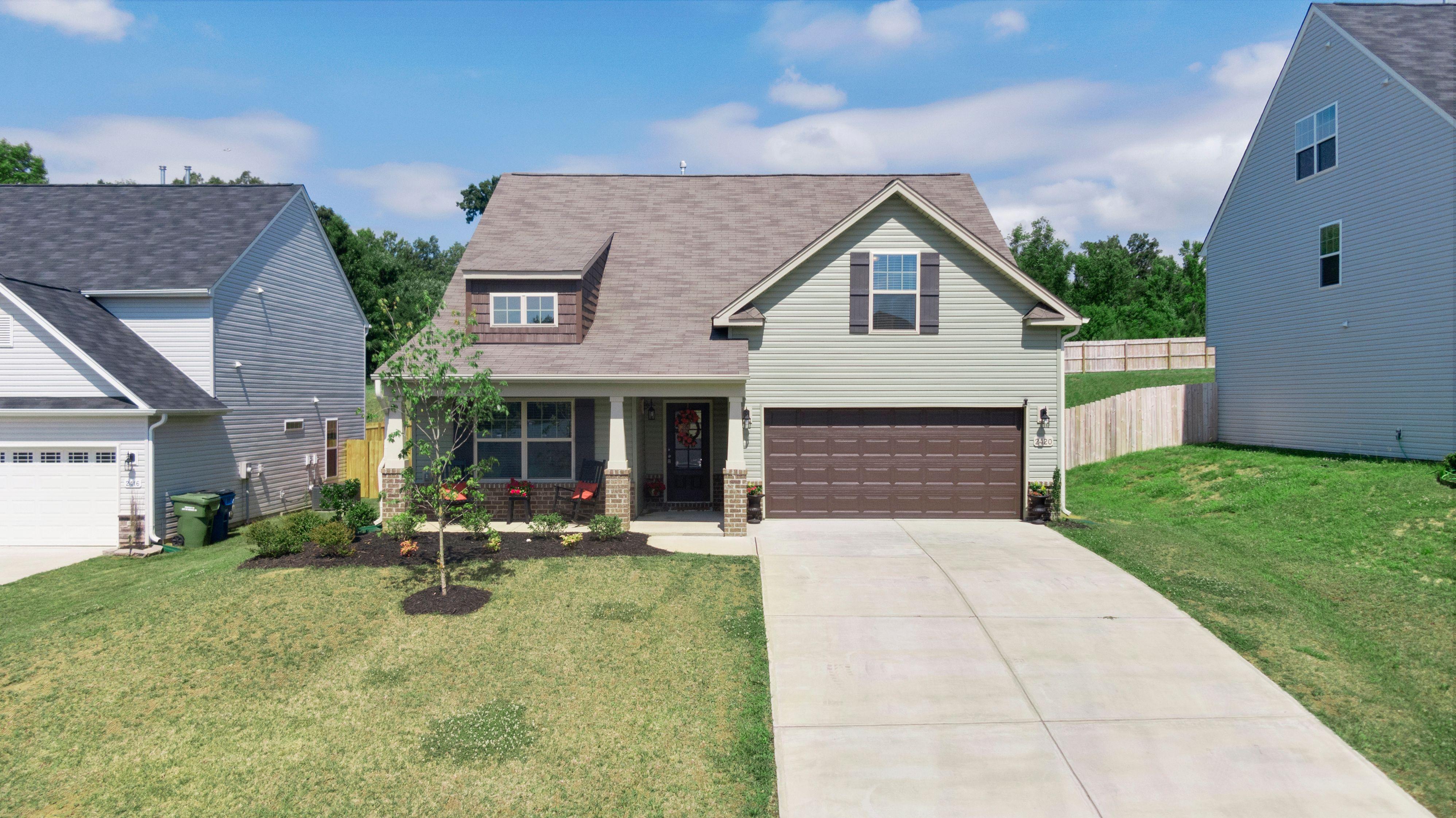







About one-third of new single-family homes built in the U.S. in 2025 were rated for energy efficiency, according to the Residential Energy Services Network’s 2026 Trends in HERS Rated Homes Report. RESNET says 34% of those homes received a score on its HERS Index, which works like a miles-per-gallon rating for houses: the lower the number, the less energy a home uses. A score of 100 represents a home built to 2006 standard practices, and a score of zero means a home produces as much energy as it consumes over a year.
HERS Raters scored more than 420,000 homes in 2025, and the average HERS Index was 53, a two-point improvement from 2024. RESNET says that average is 47% more efficient than a 2006 home, and it has dropped 11 points since 2013. Sixty-eight percent of the homes rated were one- and two-family dwellings, and 32% were multifamily units.
The report covers national, state and local trends. It tracks rating activity, average scores, home characteristics, building components, equipment efficiencies, air leakage and solar use. State-level data shows total ratings and the share of new homes rated in each state, and the city-level analysis lists the top 25 markets for single-family and multifamily ratings.
RESNET’s HERSH2O whole-house water efficiency program also had a record year, with more than 7,500 homes rated in 2025, a 25% increase over 2024. The national average HERSH2O score was 62, and a score of 70 or lower is required to qualify for the WaterSense Labeled Homes program.