









Why your voice is the best design tool
My architectural design philosophy is deeply rooted in a respect for the context of place and the emotional power of space, a passion that was ignited during my college years while studying architectural history and finding my voice in my community.
Growing up in Northern California, I witnessed a region in a constant state of flux, where older buildings were frequently demolished or abandoned, only to be replaced by structures that often lacked any connection to the existing character of their neighborhoods. This instilled in me a commitment to contextual design: the belief that any built work must be firmly grounded in its specific environment, landscape and history.
Consequently, my professional focus centers on the rehabilitation and renovation of existing spaces. Whether adapting a building for a new occupancy type or updating a home for a family that has outgrown its current aesthetic, there is a profound beauty in thoughtfully bringing a structure back to life, simultaneously honoring its past while ensuring it serves its future.
This dedication to revitalizing existing homes naturally aligns my architectural practice with a study of anthropology. For me, residential architecture is a process of discovery, requiring deep layers of conversation with homeowners to uncover the narrative of their lives within their space. It is essential to understand why certain areas of a home no longer function and, just as importantly, what originally drew the residents to the property.
By uncovering the “origin story” of a home and understanding how clients wish to experience their daily lives, I can marry the history of the building with the needs of the inhabitants. In this capacity, I view my primary role as an architectural translator, tasked with turning a laundry list of practical concerns and emotional wishes into a cohesive, physical space that feels both personal and functional.
My approach to this translation is further influenced by my unique personal background as the daughter of a computer scientist and an artist/naturopath. I find that the soft skills and innate curiosity of my mother blend seamlessly with the technical precision of my father. This dual perspective, balancing empathy with technical rigor, is vital in residential architecture.
At Kaplan Thompson, I have found an environment that encourages this equilibrium, allowing us to develop highly efficient, high-performance homes that prioritize sustainability and performance without ever sacrificing comfort or beauty. This blend of disciplines allows for a more holistic view of how a home should function as both a machine for living and a sanctuary for the soul.
Navigating the industry as a woman presents its own set of rolling challenges, particularly in professional settings where masculine energy often dominates, such as on active job sites. Overcoming these hurdles has been a concerted effort in building confidence, an attribute that I believe evolves naturally with time and the growth of professional expertise.
I have found that my innate empathy is a significant asset in these environments; it allows me to read the room and meet the energy of any conversation effectively. At times, this empathy even provides the bridge to project necessary confidence externally before it is fully felt internally. My presence in these spaces is warranted and I have learned the importance of finding my footing and making my voice heard.
To women beginning their careers in this field, I advise against suppressing the tendency to make yourself smaller to blend into the background of meetings with builders, clients or stakeholders. Your perspective carries significant weight. Even when you might not feel ready to speak up at the moment, you can be bold through your design contributions.
Architecture is an iterative process and diverse voices are required to find the moments that truly make a project shine. If you believe a layout shift would improve a space, take the initiative to show your team. Your unique contributions are essential to the evolution of the work.
My experience as a mother has added a layer of complexity to my professional life that I view as a distinct asset. Parenthood acts as a universal language, serving as a way for relating to clients, builders and consultants on a more human level. I highly recommend that women in the field hold onto their innate femininity rather than stifling it to fit into the typically more masculine field of construction.
This authenticity is the greatest asset, allowing one to stand out not only in design but also in communication with the various players involved in a project. By integrating these personal and professional identities, we can create architecture that is not only technically sound but also deeply resonant with the human experience.
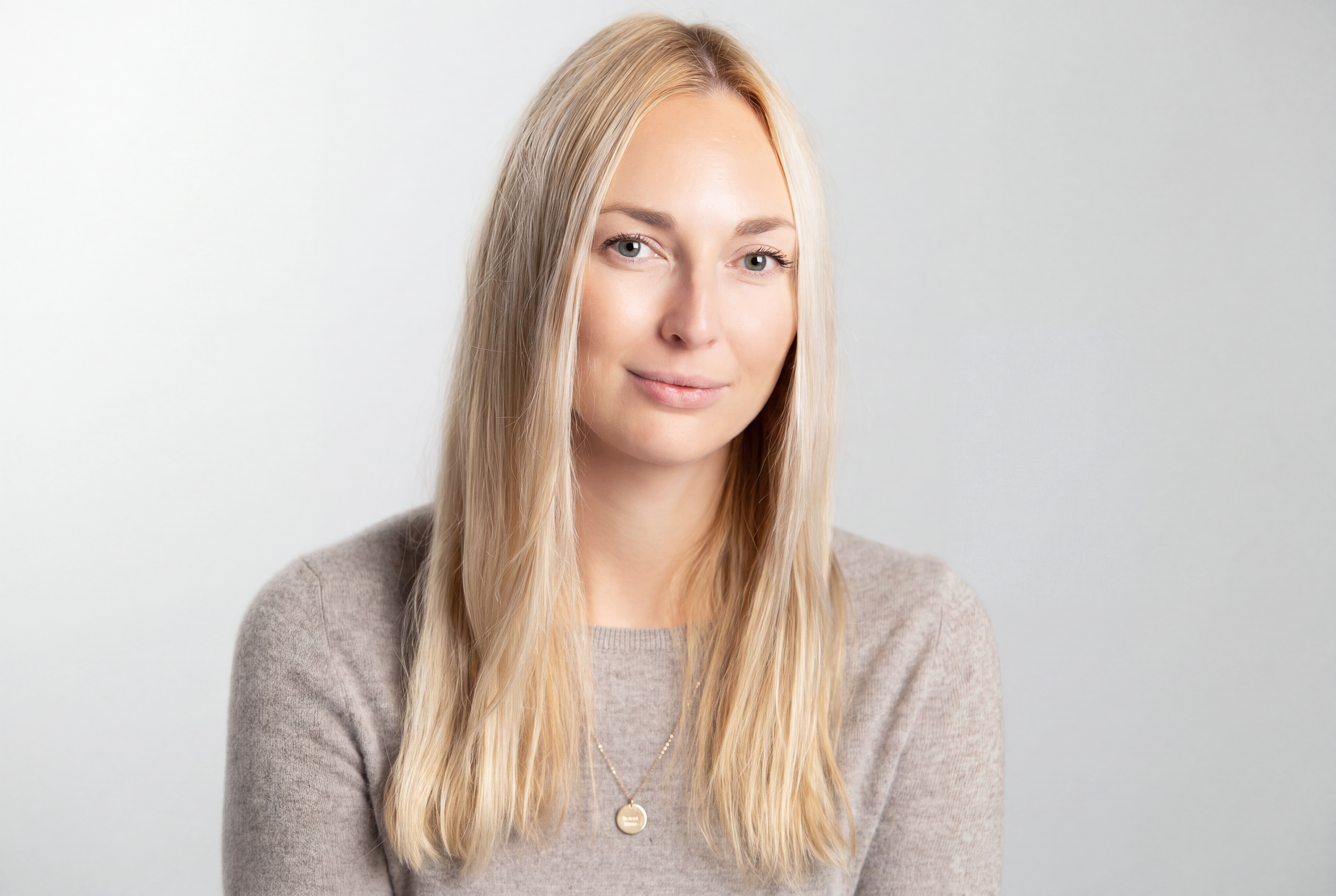
By Grace Tisdale, AIA. She is an architect at Kaplan Thompson Architects. She can be reached at grace@kaplanthompson.com
This story is featured in our July issue of Builder and Developer. Read the digital print version here.